
Ultimate Lake Bunyonyi Safari: Relaxation, Culture and Island Adventures
Lake Bunyonyi sits quietly among the terraced hills of southwestern Uganda, offering travelers one of the most peaceful and scenic escapes on the entire African continent. Known for its cool climate, clear freshwater, and cluster of 29 islands, this destination blends relaxation, culture, and gentle adventure into a single unforgettable Lake Bunyonyi experience. This guide covers everything you need to plan the ultimate Lake Bunyonyi safari.
Whether you are searching for a quiet retreat after gorilla trekking in Bwindi Impenetrable National Park, a place to reconnect with nature, or a chance to explore living Bakiga and Batwa culture, Lake Bunyonyi delivers all three. Few places in East Africa manage to combine stillness, scenery, and storytelling as effortlessly as this crater lake tucked into the Kigezi Highlands near Kabale town.
Before diving into the full guide, here is a quick snapshot of what makes Lake Bunyonyi so special for travelers planning a Uganda safari.
- Cool highland climate ideal for relaxation after gorilla trekking
- 29 islands, each with its own folklore and history
- Safe swimming, free from hippos, crocodiles, and bilharzia
- Rich Bakiga and Batwa cultural encounters around the lakeshore
- Excellent birding with over 200 recorded species
Insider Tip: Visit Lake Bunyonyi immediately after gorilla trekking in Bwindi rather than before it. Trekkers who rest at the lake first, then hike, often say the cool water and slow pace make the following day of forest trekking feel far more manageable.
Where Is Lake Bunyonyi Located
Lake Bunyonyi lies roughly 7 kilometers from Kabale town in the far southwestern corner of Uganda, close to the borders of Rwanda and the Democratic Republic of Congo. The lake stretches across the Kigezi Highlands, a region famous for its steep terraced slopes, banana groves, and small farming communities that cling to the hillsides overlooking the water below.
Because of its location near Bwindi and Mgahinga Gorilla National Park, Lake Bunyonyi has become a natural stopover point on many Uganda safari routes. Travelers often arrive here directly after a day of gorilla tracking, using Lake Bunyonyi as a calm base to rest tired legs while still enjoying activities, scenery, and authentic cultural encounters within the wider Kigezi region.
How Lake Bunyonyi Was Formed
Geologists believe Lake Bunyonyi formed roughly 10,000 years ago when volcanic activity from the nearby Virunga mountains sent lava flows across the valley floor. This lava blocked the natural course of River Ndego, causing water to back up and slowly fill the surrounding basin, eventually creating the deep freshwater lake that travelers admire today.
This volcanic origin explains why Lake Bunyonyi is unusually deep for an African lake, with some sections reaching depths of nearly 900 meters according to various regional surveys. The surrounding hills, shaped by centuries of terraced farming, add a dramatic green backdrop that makes the lake one of the most photographed natural landmarks in all of Uganda.
The Meaning Behind the Name Bunyonyi
Locally, Lake Bunyonyi is often translated as the place of many little birds, a name that perfectly captures one of its greatest attractions. The lake and its surrounding wetlands, reed beds, and forested islands support an extraordinary variety of birdlife, drawing ornithologists and casual nature lovers alike from across the world every single year.
This nickname is not just poetic branding either. With well over 200 recorded bird species inhabiting the lake shores, papyrus swamps, and terraced hillsides, Bunyonyi genuinely earns its reputation. For travelers who enjoy quiet mornings filled with birdsong, few places in Uganda offer a more rewarding or accessible birding experience than this stunning highland lake.
Why Lake Bunyonyi Deserves A Place On Your Uganda Safari
Lake Bunyonyi offers something increasingly rare on safari itineraries, genuine stillness. After days spent chasing wildlife sightings or trekking steep forest trails in search of mountain gorillas, travelers arrive here to slow down completely. The cool highland air, gentle water, and absence of dangerous animals make it one of the safest and most restorative stops in the country.
Beyond relaxation, the lake also delivers a rich cultural dimension that many other Ugandan destinations simply cannot match. Surrounded by Bakiga farming communities and neighboring Batwa settlements, visitors gain access to living traditions, folklore, and everyday rural life. This combination of nature, culture, and comfort explains why Lake Bunyonyi consistently ranks among Uganda’s most loved safari destinations.
Many travelers also appreciate that Lake Bunyonyi offers flexibility rarely found elsewhere. Whether you want an active few days filled with hiking, cycling, and canoeing, or a purely restful stay reading on a lodge veranda overlooking the water, the destination adapts easily to your energy levels, travel style, and overall safari pace without ever feeling rushed or forced.
Top Lake Bunyonyi Activities For Every Traveler
Lake Bunyonyi offers an impressive range of activities that suit relaxed travelers, adventure seekers, birdwatchers, and cultural enthusiasts equally well. From gentle canoe rides at sunset to guided hikes through terraced farmland, the destination rewards travelers who take time to explore beyond the shoreline. Below is a detailed breakdown of the very best things to do.
Traditional Dugout Canoeing
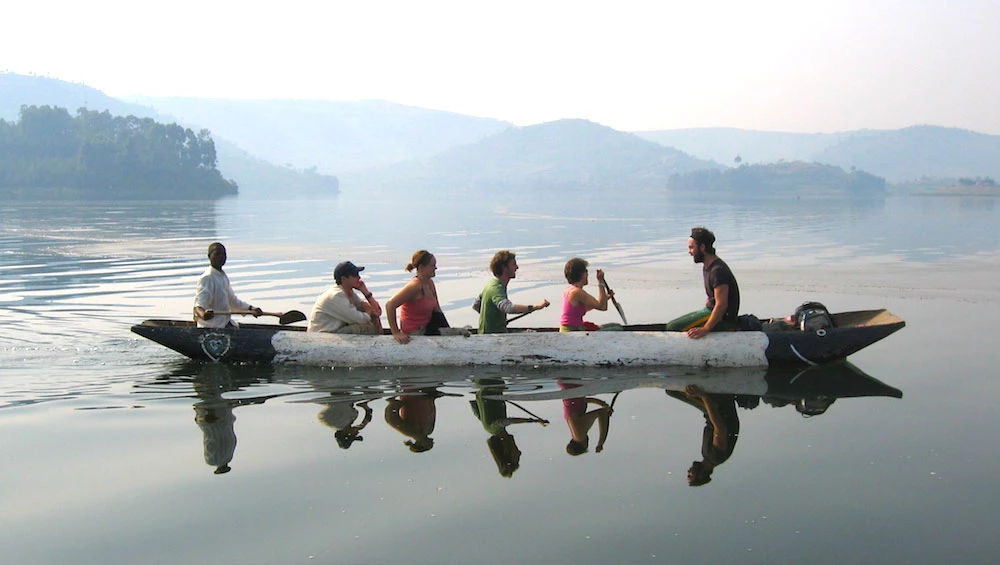
For a slower, more immersive experience, traditional dugout canoeing offers travelers a direct connection to how local communities have moved across Lake Bunyonyi for generations. These narrow wooden canoes, still used today by fishermen and villagers, allow visitors to paddle quietly between islands while experiencing the lake exactly as Bakiga communities have for countless years.
Guided canoe excursions are particularly popular around sunset, when the still water reflects the surrounding hills in warm golden light. Because Lake Bunyonyi contains no hippos or crocodiles, canoeing remains a genuinely safe activity suitable for most fitness levels, making it an accessible highlight for families, couples, and solo travelers seeking a memorable, low impact adventure.
Scenic Boat Rides Across The Lake
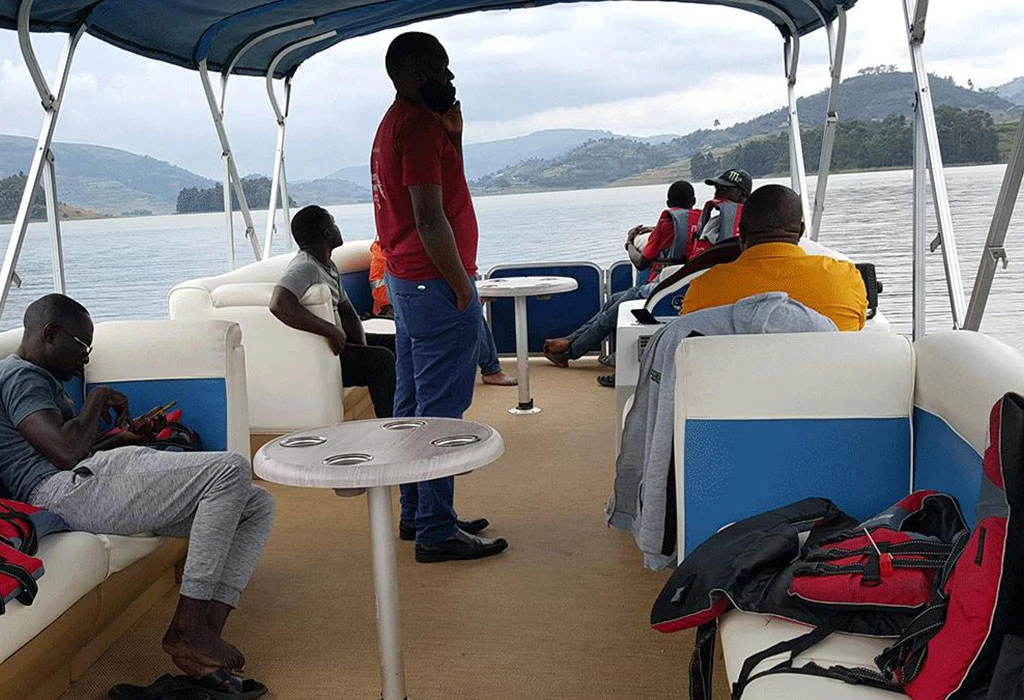
A relaxed boat ride remains one of the most popular ways to experience Lake Bunyonyi, allowing visitors to glide across calm water while admiring the surrounding hills and scattered islands. Local boat operators and guides often share stories tied to specific islands, blending scenery with folklore and giving travelers a deeper understanding of the lake’s rich cultural history.
Boat trips run throughout the day, though early morning and late afternoon departures tend to offer the softest light for photography along with cooler temperatures. Many lodges operate their own motorized boats or traditional wooden vessels, giving guests flexibility to choose a pace and duration that matches their interests, whether a short sunset cruise or a longer island hopping excursion.
Island Hopping Across 29 Islands
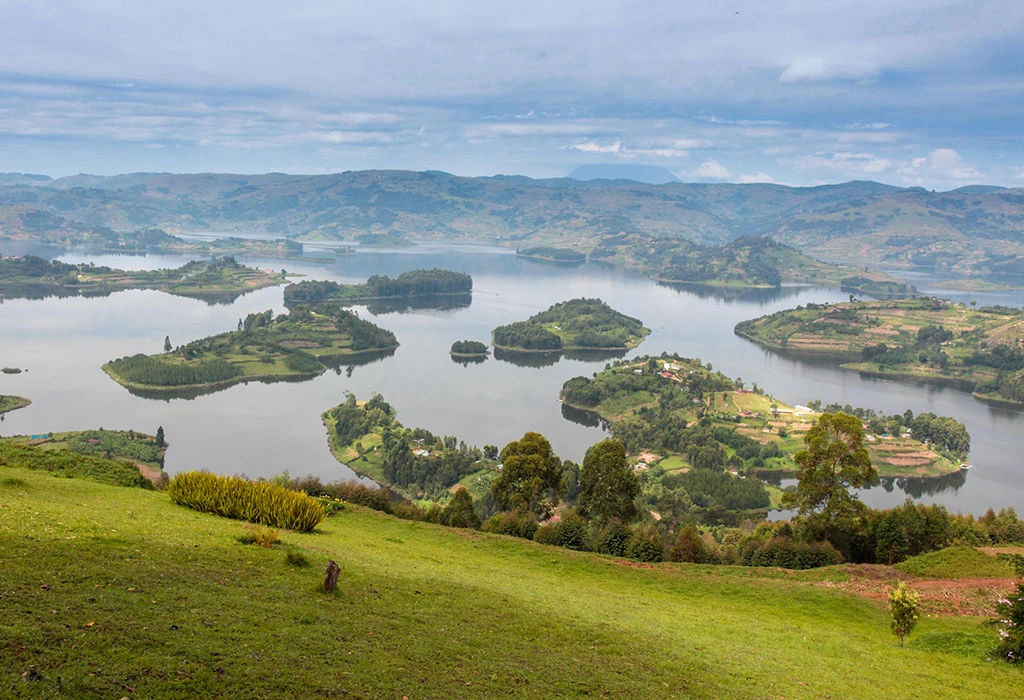
With 29 islands scattered across its surface, island hopping stands out as one of the most rewarding ways to explore Lake Bunyonyi in depth. Each island carries its own distinct history, ranging from wildlife sanctuaries to former mission stations, giving travelers a genuinely varied experience within a single, compact, and easily navigable body of water.
Akampene Island, often called Punishment Island, holds one of the most sobering stories on the lake. According to local tradition, unmarried girls who became pregnant were once abandoned here as a form of social punishment. Though this practice ended long ago, the island remains a powerful reminder of past customs and continues to draw curious visitors interested in regional history.
Kyahugye Island offers a very different experience, functioning today as a small wildlife sanctuary within the lake itself. Visitors exploring the island on foot can spot zebras, waterbucks, and impalas grazing peacefully among the trees, creating an unexpected mini safari experience that pairs beautifully with the calm boat ride required to reach this particular island destination.
Bushara Island has earned a strong reputation among birdwatchers and travelers seeking peaceful accommodation surrounded entirely by water. Several eco lodges operate here, offering guided nature walks, canoe rentals, and quiet forest trails. The island’s relatively undisturbed vegetation supports a wide variety of birdlife, making it a favorite base for slower, nature focused island stays.
Bwama Island carries deep historical significance connected to early missionary work in the region. In the 1930s, Scottish missionary Doctor Leonard Sharp established a leprosy treatment center on the island, which has since been transformed into a functioning school for local children. Visiting Bwama offers insight into the region’s complex colonial and medical history.
Bacuranuka Island is best known for its dramatic local folklore rather than any physical landmark. According to legend, an old woman cursed the island after a group of men refused to share their homemade beer with her, causing the island to flip and swallow the offenders whole. Guides love recounting this eerie tale during boat excursions.
Village Walks And Hiking Through The Kigezi Hills
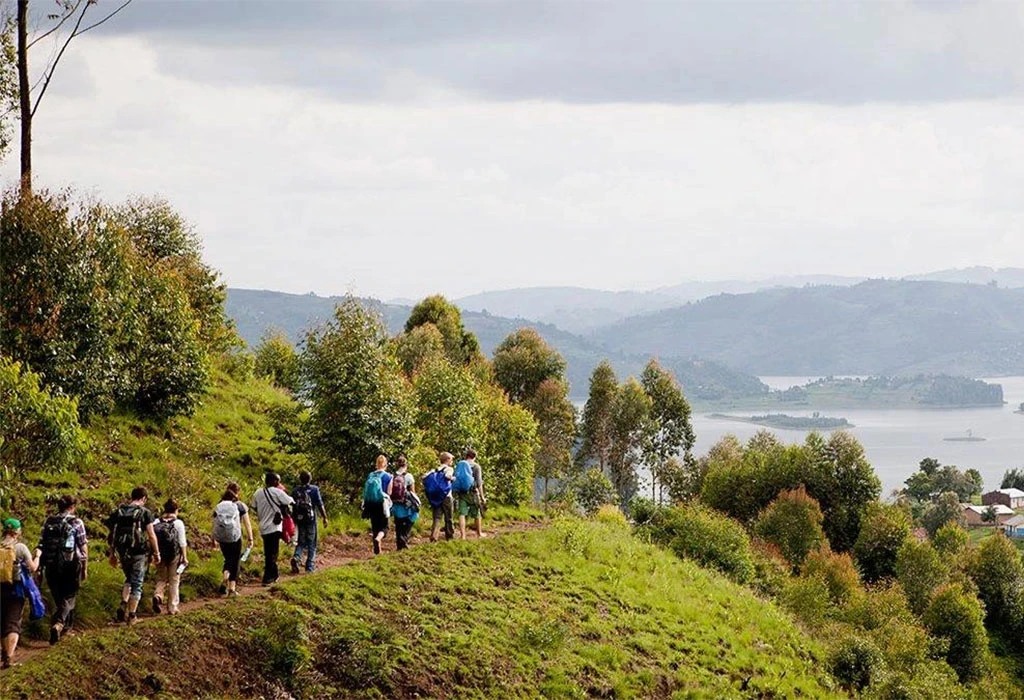
Hiking through the terraced hills surrounding Lake Bunyonyi offers travelers a completely different perspective on the region, often described as the Switzerland of Africa due to its steep green slopes and layered farmland. Guided walks wind through banana plantations, traditional homesteads, and small footpaths connecting scattered villages across this dramatically sculpted highland landscape.
These walks provide genuine cultural immersion, giving visitors the chance to interact directly with Bakiga farmers and observe traditional agricultural techniques passed down through generations. Local guides often explain how terracing prevents soil erosion on such steep terrain, while also pointing out medicinal plants, local crops, and everyday farming practices still used throughout the surrounding Kigezi countryside today.
Several viewpoints along these hiking routes offer sweeping panoramas across the entire lake, making them extremely popular among photographers. Depending on fitness level and available time, walks can range from short 1 hour strolls near the shoreline to more demanding half day hikes climbing deeper into the hills, rewarding effort with increasingly spectacular views over Bunyonyi.
Bird Watching Around The Lake
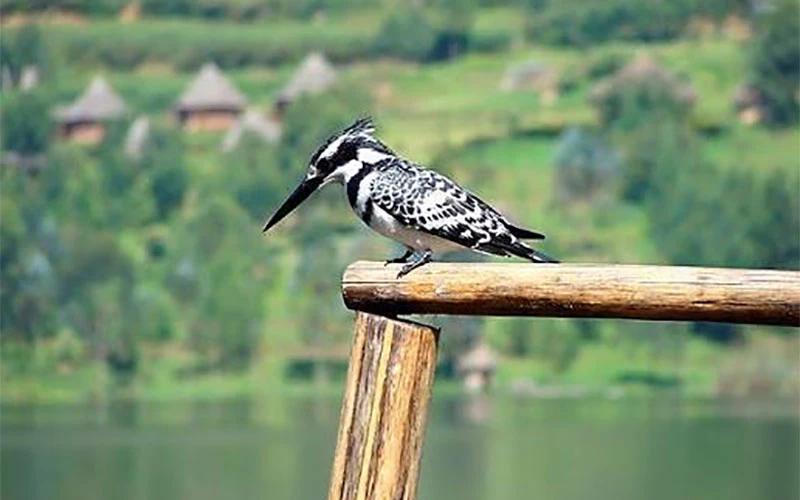
Lake Bunyonyi’s nickname, the place of many little birds, reflects its outstanding reputation among East African birdwatching destinations. With more than 200 recorded species inhabiting the papyrus swamps, forested islands, and terraced shoreline, the lake provides consistently rewarding sightings for both casual visitors and dedicated birding enthusiasts traveling specifically for this purpose.
Commonly spotted species include grey crowned cranes, red chested sunbirds, herons, egrets, flycatchers, weavers, and various woodpeckers, many of which can be observed comfortably from a canoe or lodge veranda. Early morning excursions tend to produce the richest sightings, as birds remain most active during the cooler hours before the midday sun warms the surrounding hills.
Several lodges around the lake offer dedicated birding guides who understand local hotspots, seasonal patterns, and specific calls, significantly increasing the chances of spotting rarer species. For travelers building a broader Uganda birding itinerary, Lake Bunyonyi pairs exceptionally well with other renowned birding sites such as Bwindi Impenetrable Forest and nearby wetland systems.
Swimming In Safe Freshwater
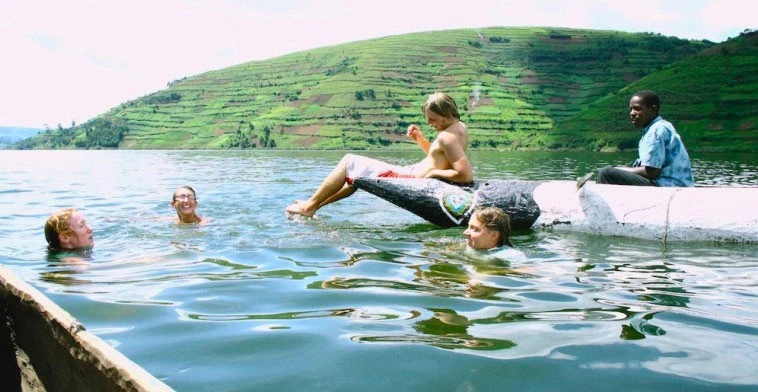
Unlike many East African lakes, Lake Bunyonyi is genuinely safe for swimming, free from dangerous wildlife such as hippos and crocodiles that commonly restrict water activities elsewhere in the region. The lake is also widely considered bilharzia free, giving travelers additional peace when deciding to cool off in its clear, refreshing highland water.
Many lodges have constructed dedicated swimming platforms and jetties extending out over the deeper sections of the lake, allowing guests to swim comfortably while admiring the surrounding scenery. Sunny afternoons are especially popular for swimming, when the cool mountain air combines with pleasant water temperatures to create one of the most relaxing experiences available anywhere on the lake.
Exploring Local Markets
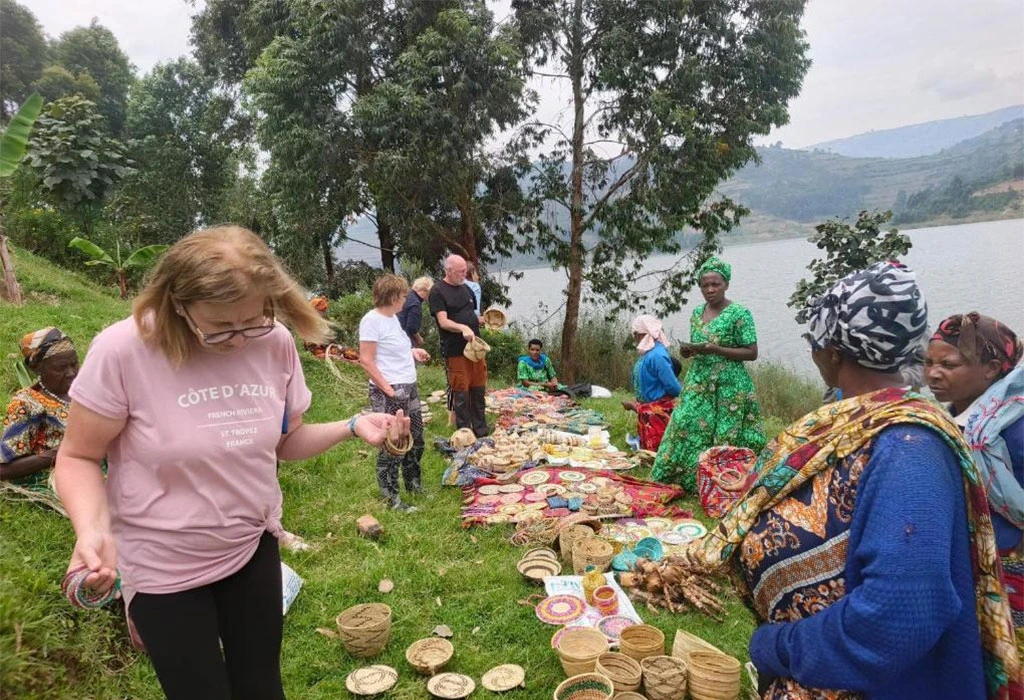
Visiting local markets around Lake Bunyonyi offers travelers an authentic glimpse into everyday rural Ugandan life, far removed from typical tourist infrastructure. These lively gathering spaces bring together farmers, traders, and families from surrounding villages, creating a colorful and energetic atmosphere that contrasts beautifully with the otherwise tranquil pace found elsewhere around the lake.
Stalls typically overflow with fresh fruits, vegetables, handmade crafts, clothing, and household goods, giving visitors plenty of opportunity to interact directly with local sellers. Purchasing handmade souvenirs or fresh produce not only creates meaningful memories but also directly supports surrounding communities, making market visits a rewarding and responsible addition to any Lake Bunyonyi itinerary.
Cultural Encounters With Batwa Communities
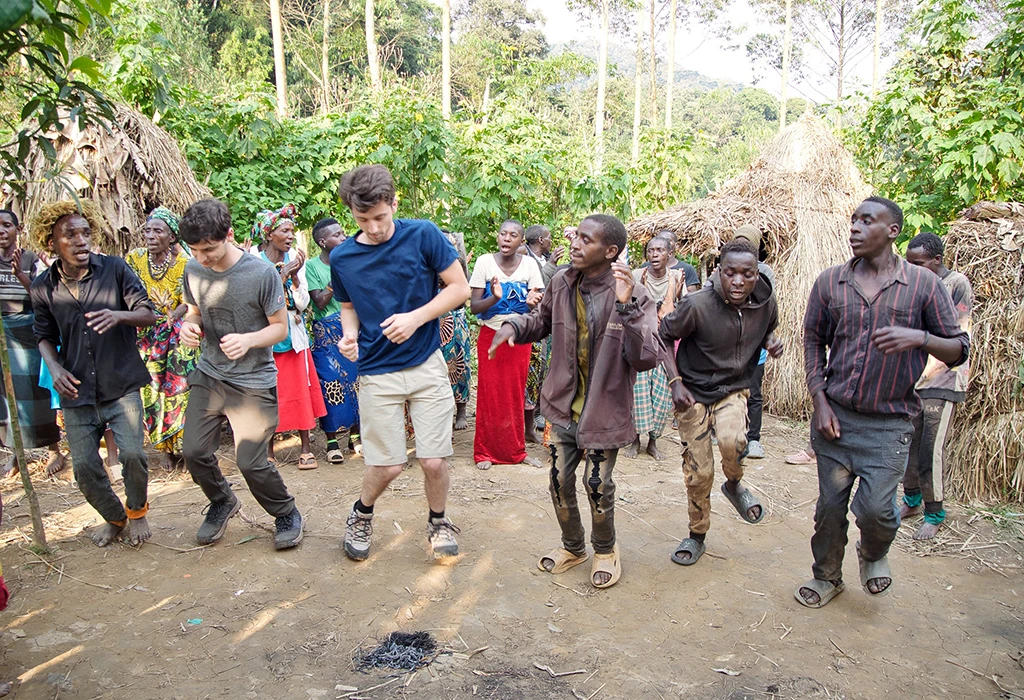
A visit to nearby Batwa communities offers one of the most meaningful cultural experiences available around Lake Bunyonyi. Considered among the oldest indigenous groups in the region, the Batwa traditionally lived as forest dwelling hunter gatherers throughout southwestern Uganda and neighboring parts of the Democratic Republic of Congo before conservation policies changed their way of life.
During guided visits, travelers learn about traditional survival skills, storytelling traditions, and cultural dances that have been carefully preserved despite significant social and economic challenges faced by the community. Many tourism initiatives operating around the lake channel a portion of visitor fees directly toward Batwa welfare projects, education programs, and efforts to preserve their unique cultural heritage.
Mountain Biking Through The Highlands
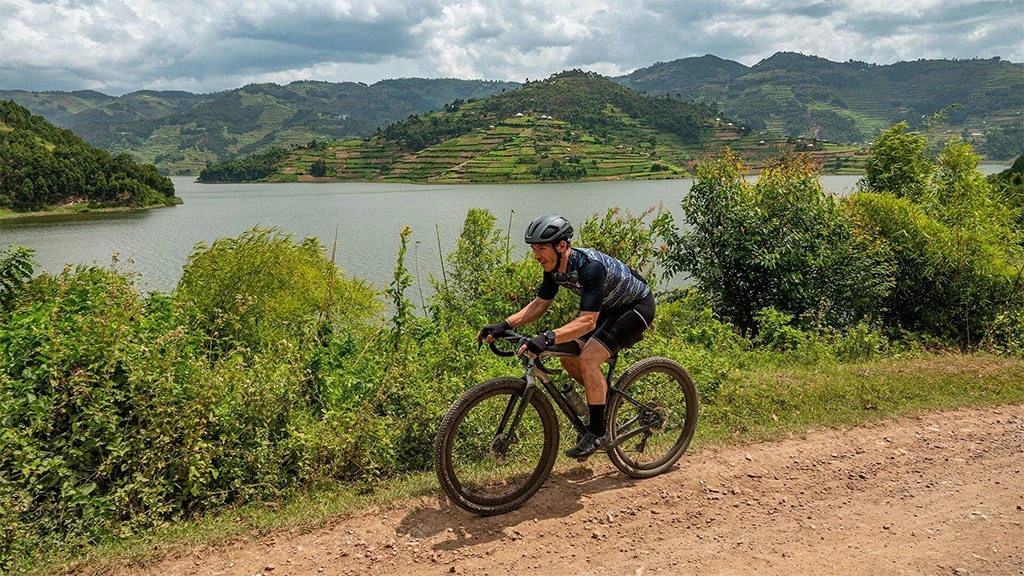
Adventure travelers looking for a more active way to explore Lake Bunyonyi often turn to mountain biking, following trails that wind through the surrounding hills and connect scattered villages, farms, and scenic viewpoints. The varied terrain, ranging from gentle lakeside paths to steeper hillside climbs, suits both casual riders and more experienced cyclists seeking a genuine challenge.
Guided biking tours typically include stops at local homesteads, farmland, and elevated viewpoints overlooking the lake, giving riders regular opportunities to rest, take photographs, and interact with community members along the route. Bicycles and safety equipment are usually available for rent through lodges or local operators, making this activity accessible even to travelers without their own gear.
Zip Lining Over The Water
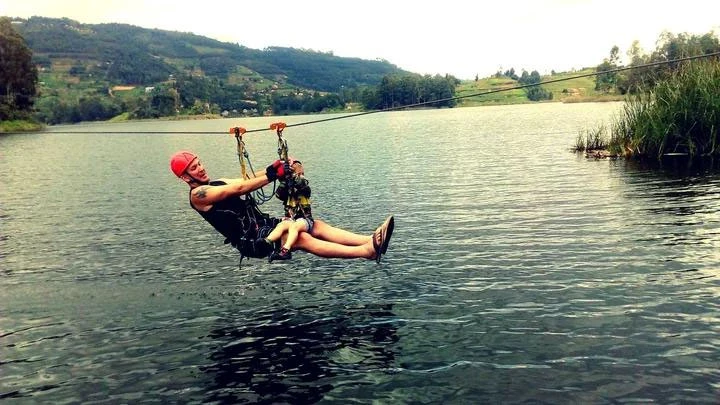
Among the newest additions to the Lake Bunyonyi activity list, zip lining offers a genuinely thrilling way to experience the lake from an entirely different angle. Suspended high above the water, riders glide across sections of the lake while taking in sweeping panoramic views of the surrounding islands, terraced hillsides, and dramatic highland scenery below.
Operators running zip line experiences use modern safety equipment and trained guides to ensure a secure and enjoyable adventure suitable for most travelers. For visitors seeking a short burst of adrenaline within an otherwise relaxed itinerary, zip lining provides an exciting contrast to the slower paced boat rides, hikes, and swimming activities available elsewhere around the lake.
Relaxation, Wellness And Slow Travel
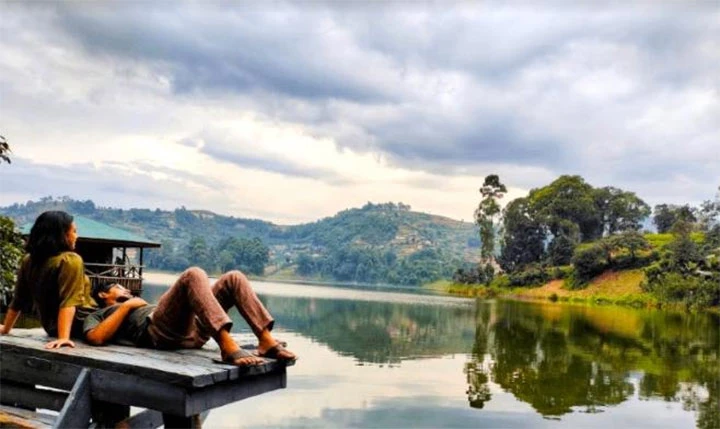
Perhaps the most underrated activity at Lake Bunyonyi is simply doing nothing at all. Many lodges are purposefully designed with hammocks, lakeside decks, and quiet reading corners that encourage guests to slow down completely. After demanding activities like gorilla trekking, this unstructured downtime often becomes travelers’ most cherished memory from their entire Uganda safari.
Several properties around the lake have also introduced wellness offerings such as massage treatments, yoga sessions, and guided meditation, taking advantage of the naturally calm environment. Combined with the cool highland climate and absence of traffic noise, Lake Bunyonyi has increasingly positioned itself as a genuine wellness retreat within the broader Uganda safari circuit.
Best Time To Visit Lake Bunyonyi
Lake Bunyonyi can be visited comfortably throughout the year thanks to its mild highland climate, though certain months offer clearer skies and easier travel conditions. The 2 main dry seasons, running roughly from June through August and again from December through February, are generally considered the most reliable periods for outdoor activities, hiking, and boat excursions.
During the wetter months, typically March through May and September through November, the surrounding hills turn even greener and the terraced farmland looks especially dramatic, though occasional afternoon showers can interrupt outdoor plans. Many photographers actually prefer these shoulder seasons for the dramatic cloud formations, fewer crowds, and lush scenery that blankets the entire Kigezi Highlands region.
Here is a quick breakdown of what each season generally offers travelers planning a visit:
- June through August: The coolest and driest stretch of the year, ideal for hiking, canoeing, and combining the lake with gorilla trekking in nearby Bwindi.
- September through November: A lush, quieter shoulder season with occasional short showers, dramatic skies, and noticeably fewer visitors around the lodges and islands.
- December through February: A second dry window with warm sunny afternoons, excellent for swimming, birding, and relaxed boat excursions across the water.
- March through May: The wettest months, bringing vivid green terraces and low rates, though outdoor plans should allow flexibility for afternoon rain.
Insider tip: Travelers chasing the clearest mountain views over the terraces should aim for early morning excursions during July or August, before midday cloud tends to gather over the surrounding Kigezi hills.
How To Get To Lake Bunyonyi
Most travelers reach Lake Bunyonyi by road from Kampala, a journey covering roughly 450 kilometers that typically takes between 7 and 9 hours depending on road conditions and stops along the way. The route often passes through Mbarara town, offering scenic views of rolling countryside, cattle ranches, and small trading centers throughout southwestern Uganda.
Travelers generally choose from 3 practical routes when planning transport to Lake Bunyonyi, each suited to a different travel style and available time:
- Road transfer from Kampala or Entebbe: A scenic full day drive through Mbarara, best suited to travelers who enjoy watching the countryside change along the way.
- Road transfer from Bwindi or Mgahinga: A short 2 to 3 hour drive, ideal for travelers combining the lake with gorilla trekking earlier in their itinerary.
- Domestic flight plus road transfer: A quicker option connecting Entebbe to nearby airstrips, followed by a short drive to the lakeshore.
Many travelers instead combine the trip with gorilla trekking, driving from Bwindi Impenetrable National Park to Lake Bunyonyi in around 2 to 3 hours depending on which sector of the park was used for trekking. This shorter transfer makes the lake an ideal add on for travelers already exploring the southwestern gorilla trekking circuit near Kabale and Kisoro.
For travelers short on time, domestic flights operated by carriers such as Aerolink Uganda connect Entebbe to nearby airstrips such as Kihihi or Kisoro, followed by a road transfer of roughly 1 to 2 hours to reach the lakeshore. This option significantly reduces overall travel time and suits visitors who prefer to maximize time spent enjoying activities rather than sitting in a vehicle.
Insider tip: Booking the earliest available domestic flight from Entebbe usually leaves enough daylight for a short canoe ride on arrival, letting travelers begin enjoying Lake Bunyonyi on the very same day they land in Uganda.
Where To Stay Around Lake Bunyonyi
Accommodation options around Lake Bunyonyi range from simple budget guesthouses to comfortable mid range lodges and more upscale island retreats, giving travelers plenty of flexibility depending on preferred style and available budget. Many properties are built directly on the shoreline or on private islands, offering uninterrupted lake views from private rooms, cottages, or bandas.
Island lodges tend to offer the most immersive experience, requiring a short boat transfer from the mainland and rewarding guests with genuine seclusion surrounded entirely by water. Mainland lodges, meanwhile, often provide easier access to nearby villages, markets, and hiking trails, making them a practical choice for travelers who want to combine relaxation with more active exploration.
Regardless of budget, most accommodations emphasize locally sourced meals, warm hospitality, and simple architecture designed to blend naturally into the surrounding hillside scenery. Many properties also employ staff from nearby villages, ensuring tourism revenue circulates directly within local communities while giving guests genuine insight into daily life throughout the wider Kigezi Highlands region.
Travelers can generally choose between 3 broad accommodation tiers around Lake Bunyonyi, each summarized below along with well known properties that fall into each category.
Budget:
- Byoona Amagara Island Retreat: A relaxed backpacker favorite on Itambira Island, offering dormitories, simple bandas, and a laid back communal atmosphere.
- Rutinda Eco Community Campsite: A friendly lakeside base near the main landing site, popular with campers and travelers seeking basic, affordable rooms.
- Boruga Backpackers Eco Resort: A budget friendly hillside property with dormitory and simple private options, close to the main boat launch point.
Mid Range:
- Bunyonyi Overland Resort: A comfortable shoreline property offering private cottages, lake facing rooms, and a full restaurant overlooking the water.
- Lake Bunyonyi Eco Resort: A well reviewed mainland lodge known for its gardens, warm hospitality, and reliable comfort for couples and families.
- Birdnest At Bunyonyi: A peaceful mid range retreat popular among birders, offering cottages with private balconies and sweeping lake views.
Luxury:
- Lake Bunyonyi Rock Resort: An upscale hillside property with panoramic lake views, spacious suites, and refined dining suited to discerning travelers.
- Arcadia Cottages Lake Bunyonyi: A boutique luxury lodge offering stylish cottages, attentive service, and a tranquil shoreline setting on private grounds.
- Bunyonyi Safari Resort: A premium lakeside property combining spacious rooms, guided excursions, and elevated comfort for a fully relaxed island stay.
Insider tip: Requesting a room facing east allows guests to wake up to sunrise light spreading gently across the water, widely considered one of the most rewarding small details of any Lake Bunyonyi stay.
Regardless of which category you choose, working with an experienced ground operator such as Iconic Africa Safaris ensures your Lake Bunyonyi accommodation is properly matched to your budget, group size, and overall itinerary, avoiding the guesswork of booking directly without local knowledge.
Combining Lake Bunyonyi With Gorilla Trekking
Lake Bunyonyi’s proximity to both Bwindi Impenetrable National Park and Mgahinga Gorilla National Park makes it a natural extension for travelers completing gorilla trekking elsewhere in southwestern Uganda. After a physically demanding day navigating steep forest trails in search of mountain gorillas, the calm lakeside setting offers welcome relief for tired muscles and overstimulated senses.
Many safari itineraries deliberately schedule Lake Bunyonyi immediately following gorilla trekking, allowing travelers a full rest day before continuing their journey. This pairing has become so popular that most tour operators, such as Iconic Africa Safaris, now craft directly into standard southwestern Uganda itineraries, recognizing how naturally the two experiences complement one another within a single travel route. Iconic Africa Safaris also features a dedicated Lake Bunyonyi tour pairing gorilla trekking with lakeside relaxation.
Beyond gorillas, travelers exploring Mgahinga National Park can also combine Lake Bunyonyi with golden monkey tracking, volcano hiking, and cultural visits to the Batwa community living near the park boundary. This creates a well rounded southwestern circuit blending wildlife encounters, physical adventure, cultural depth, and restorative relaxation within a relatively compact and easily manageable travel area.
Sample 3 Day Lake Bunyonyi Itinerary
On the first day, travelers typically arrive from Bwindi, Kisoro, or Kampala in the afternoon, allowing time to settle into their chosen lodge before enjoying a relaxed sunset canoe ride across the calm water. This gentle introduction sets the tone for the rest of the stay, easing travelers into the lake’s naturally slow and restorative rhythm.
The second day usually combines several key activities, beginning with an early morning birding walk followed by a guided boat excursion to Punishment Island, Kyahugye Island, and Bushara Island. Afternoons often include a village walk through the surrounding hills or a cultural visit to a nearby Batwa community, rounding out a full and varied day of exploration.
The final day typically offers travelers a slower pace, with time reserved for swimming, reading, or simply relaxing lakeside before departure. Some itineraries include an optional morning hike for expansive viewpoints over the lake, or a final visit to a local market to purchase handmade souvenirs before continuing onward to the next destination on the safari route.
What to Pack for Lake Bunyonyi
Because Lake Bunyonyi sits at a relatively high altitude, evenings and early mornings can feel surprisingly cool, so packing warm layers alongside lighter daytime clothing is strongly recommended. A waterproof jacket also proves useful during shoulder season visits, when brief afternoon showers occasionally interrupt otherwise sunny days across the surrounding Kigezi Highlands region.
Comfortable walking shoes are essential for hiking trails, village walks, and uneven terrain around lodges, while swimwear allows travelers to take advantage of the lake’s safe, refreshing water. A good camera, binoculars for birding, insect repellent, sunscreen, and a reusable water bottle round out a practical packing list suited to this varied highland destination.
The Bakiga People and their Culture
The Bakiga people form the majority of the population living around Lake Bunyonyi, and their agricultural traditions have literally shaped the landscape visitors see today. Famous for carving steep terraces into the surrounding hillsides, the Bakiga developed farming techniques over many generations that continue to define the region’s dramatic scenery and support local livelihoods.
Traditional Bakiga culture places strong emphasis on community cooperation, storytelling, and music, elements that travelers can experience firsthand through organized cultural visits around the lake. Dance performances, folk songs, and craft demonstrations offer visitors an accessible entry point into Bakiga heritage, while local guides often share proverbs and legends tied directly to specific islands and landmarks.
Family and communal land ownership remain central to daily life throughout the Kigezi Highlands, with most households relying on subsistence farming for beans, sorghum, and Irish potatoes. Visiting a working homestead during a village walk offers valuable context for understanding how deeply farming, family structure, and geography remain interconnected within Bakiga communities living around Lake Bunyonyi.
Local Cuisine and Dining Experiences
Meals around Lake Bunyonyi reflect the wider culinary traditions of southwestern Uganda, built around hearty, locally grown ingredients suited to the region’s cool climate. Staples such as matooke, Irish potatoes, beans, and sorghum porridge appear frequently on lodge menus, often prepared using recipes passed down through generations of Bakiga households living in the surrounding hills.
Freshwater fish, particularly tilapia, is another popular option at several lakeside lodges, often served grilled or stewed alongside vegetables sourced from nearby farms. Many properties pride themselves on farm to table dining, growing their own produce or purchasing directly from local markets, ensuring meals remain fresh while also supporting the surrounding community’s economy directly.
For travelers interested in deeper culinary immersion, some lodges and community organizations offer cooking demonstrations or shared meals with local families. These experiences provide an enjoyable way to learn traditional preparation methods while also creating meaningful connections with residents, adding another layer of cultural depth to an already rewarding Lake Bunyonyi safari itinerary.
Weather and Climate Throughout the Year
Lake Bunyonyi enjoys a notably cooler climate than much of Uganda, largely due to its high altitude setting within the Kigezi Highlands. Daytime temperatures typically range between 18 and 25 degrees Celsius, while evenings can drop noticeably lower, particularly during the drier months of June through August and December through February.
The wetter months, generally spanning March through May and September through November, bring lush green scenery alongside a higher chance of afternoon rainfall. While showers rarely last long, travelers should still pack waterproof layers during these periods. Many photographers actually favor this season for its dramatic skies, mist covered hills, and richly saturated landscape colors.
Regardless of season, mornings around Lake Bunyonyi tend to be crisp and often misty, gradually warming as the sun rises over the surrounding hills. This consistent daily pattern makes early hours ideal for birding, hiking, and photography, while afternoons remain better suited to swimming, boat rides, or simply relaxing along the peaceful lakeshore.
Responsible and Sustainable Tourism at Lake Bunyonyi
Tourism around Lake Bunyonyi increasingly emphasizes sustainability, with many lodges adopting practices such as solar power, rainwater harvesting, and locally sourced building materials designed to blend structures naturally into the surrounding hillside. These efforts help protect the fragile highland ecosystem while ensuring the destination remains attractive for generations of future travelers to come.
Community based tourism initiatives also play a significant role, channeling visitor spending directly toward local schools, healthcare projects, and Batwa welfare programs. Choosing operators and lodges that prioritize fair employment, cultural respect, and environmental stewardship allows travelers to enjoy Lake Bunyonyi responsibly while genuinely contributing to the wellbeing of surrounding communities and their long term future.
Visitors can support sustainable tourism directly by purchasing handmade crafts from local markets, respecting cultural guidelines during village and Batwa visits, and minimizing plastic waste throughout their stay. Small, thoughtful choices made during a Lake Bunyonyi safari can meaningfully strengthen the relationship between travelers, host communities, and the delicate natural environment surrounding this remarkable highland lake.
Currency, Costs and Practical Travel Tips
Uganda’s official currency is the Ugandan shilling, though many lodges and tour operators around Lake Bunyonyi also accept United States dollars for larger payments such as accommodation and guided activities. Smaller purchases at local markets or from independent vendors are usually best paid in shillings, so carrying some local currency remains a practical idea.
Accommodation prices around Lake Bunyonyi vary widely, ranging from affordable budget guesthouses to more comfortable mid range lodges and higher end island retreats. Most guided activities, including boat rides, canoeing, hiking, and cultural visits, remain reasonably priced compared to similar experiences elsewhere in East Africa, making the lake an accessible destination for travelers across different budget levels.
Mobile network coverage around Lake Bunyonyi is generally reliable, though connectivity can weaken on more remote islands or deeper within the surrounding hills. Travelers should also note that electricity at some smaller lodges relies on solar power or generators, so carrying a portable charger and informing staff about any charging needs in advance is generally recommended.
Photography Tips for Capturing Lake Bunyonyi
Early morning light offers some of the most rewarding photography conditions around Lake Bunyonyi, when soft mist often settles across the water and surrounding hillsides. Arriving at a viewpoint or boarding a canoe shortly after sunrise typically produces the calmest water and most atmospheric lighting, ideal for capturing the lake’s layered terraces and scattered islands.
Sunset also delivers exceptional photographic opportunities, particularly during canoe excursions when warm golden light reflects across the still water. For travelers photographing wildlife or birds, a telephoto lens proves useful given the distances involved, while a wide angle lens works well for capturing the sweeping terraced landscapes visible from elevated hiking viewpoints around the lake.
Respectful photography practices remain important during village walks and Batwa community visits, where travelers should always ask permission before photographing individuals, particularly children. Many guides can help facilitate appropriate introductions, ensuring photography remains a positive and mutually respectful experience for both visitors and the communities generously welcoming them into their daily lives.
Combining Lake Bunyonyi with Other Uganda Safari Destinations
Beyond Bwindi and Mgahinga, Lake Bunyonyi also connects reasonably well with Queen Elizabeth National Park, known for its tree climbing lions, boat cruises along the Kazinga Channel, and diverse savanna wildlife. Travelers often continue northward from the lake toward Queen Elizabeth, creating a well rounded itinerary blending highland relaxation with classic East African game viewing experiences.
Lake Mburo National Park offers another popular pairing, particularly for travelers heading back toward Kampala or Entebbe after visiting Lake Bunyonyi. Known for its walking safaris and relatively compact size, Lake Mburo provides an easy, low pressure wildlife stop that complements the cultural and scenic focus travelers typically enjoy earlier during their time at Bunyonyi.
For travelers crossing into Rwanda, Lake Bunyonyi’s proximity to the border also makes it a convenient stop before or after visiting Volcanoes National Park for additional gorilla or golden monkey tracking. This flexibility allows the lake to function equally well as a starting point, midpoint, or concluding highlight within a broader multi country East African safari itinerary.
Frequently Asked Questions About Lake Bunyonyi
Is Lake Bunyonyi safe for swimming?
Yes, Lake Bunyonyi is widely considered one of the safest lakes in East Africa for swimming, since it contains no hippos or crocodiles and is generally regarded as free from bilharzia, unlike many other freshwater lakes found throughout the surrounding region of southwestern Uganda.
How many islands does Lake Bunyonyi have?
Lake Bunyonyi contains 29 islands, each carrying its own unique history, folklore, or ecological feature. Notable examples include Punishment Island, Kyahugye Island, Bushara Island, and Bwama Island, all of which can be explored comfortably through guided boat excursions departing from lodges around the lakeshore.
How far is Lake Bunyonyi from Bwindi?
Depending on which sector of Bwindi Impenetrable National Park travelers depart from, the drive to Lake Bunyonyi typically takes between 2 and 3 hours. This convenient distance makes the lake a popular and logical stop immediately following a day of gorilla trekking in the surrounding forest.
What is the best time to visit Lake Bunyonyi?
The driest and most reliable months fall between June and August, along with December through February. However, thanks to its mild highland climate, Lake Bunyonyi remains an enjoyable and accessible destination throughout the entire year, regardless of when travelers choose to visit.
Can Lake Bunyonyi be combined with other Uganda safari destinations?
Absolutely. Lake Bunyonyi pairs naturally with Bwindi Impenetrable National Park, Mgahinga Gorilla National Park, and Queen Elizabeth National Park, forming part of a broader southwestern Uganda safari circuit that blends wildlife encounters, cultural experiences, and restorative relaxation within a single, well connected travel route.
Do I need a visa to visit Lake Bunyonyi?
Most international travelers require a Uganda visa, which can typically be obtained online in advance or on arrival at major entry points. Requirements vary by nationality, so travelers should confirm current visa policies well before departure to avoid any unnecessary delays when planning their Lake Bunyonyi safari.
Is Lake Bunyonyi suitable for families with children?
Yes, Lake Bunyonyi is widely considered one of Uganda’s most family friendly destinations, thanks to safe swimming conditions, gentle canoe rides, and relaxed hiking options suitable for various ages. Many lodges also offer spacious family cottages, making the lake an easy and enjoyable stop for travelers with children.
Health And Safety Considerations
Lake Bunyonyi is generally regarded as one of Uganda’s safest travel destinations, thanks in large part to its absence of dangerous wildlife such as hippos and crocodiles that commonly restrict activities on other African lakes. Even so, travelers should always follow guide instructions during boat rides, canoeing, and hikes to ensure a smooth and worry free visit.
As with most highland destinations, malaria risk remains present, so travelers should continue standard precautions including appropriate medication, insect repellent, and mosquito netting where available, even given the cooler climate. Drinking bottled or properly treated water is also recommended throughout the region, and travelers with specific health concerns should consult a doctor before departure.
Given the altitude and cooler evening temperatures, travelers occasionally underestimate how quickly conditions can change around Lake Bunyonyi. Packing warm layers, staying hydrated during hikes, and wearing sturdy footwear on uneven terrain helps prevent common travel discomforts, ensuring visitors can fully enjoy every activity without unnecessary interruptions during their stay around the lake.
Final Thoughts On Planning Your Lake Bunyonyi Safari
Lake Bunyonyi offers a rare combination of natural beauty, cultural depth, and genuine relaxation that few destinations in East Africa can match. From gliding across calm water in a traditional canoe to hiking terraced hillsides or meeting Batwa community members, every activity here connects travelers more deeply with the landscape and people of southwestern Uganda.
Whether used as a peaceful retreat after gorilla trekking or as a standalone highlight within a broader Uganda itinerary, Lake Bunyonyi consistently leaves lasting impressions on travelers seeking something beyond typical wildlife safaris. Its cool climate, welcoming communities, and scattered islands make it one of the most rewarding stops on any well planned Ugandan adventure.
Ready to Book Your Lake Bunyonyi Safari with Iconic Africa Safaris?
Iconic Africa Safaris offers 3 simple, reliable ways to secure your next unforgettable Ugandan adventure today. Simply complete our quick online booking form to start planning your dream safari experience right away. Our friendly team also welcomes direct emails at info@iconicafricasafaris.com or info@gorillatrekug-rw.com to discuss your specific travel plans and preferences. For instant assistance, tap the green WhatsApp icon in your screen’s bottom right corner anytime.