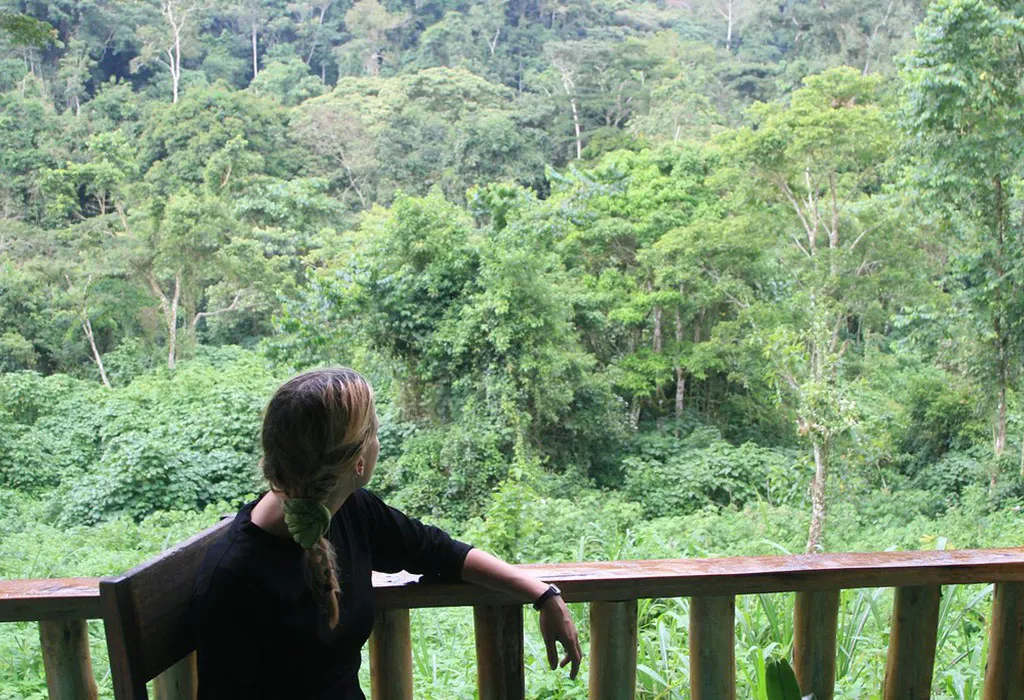
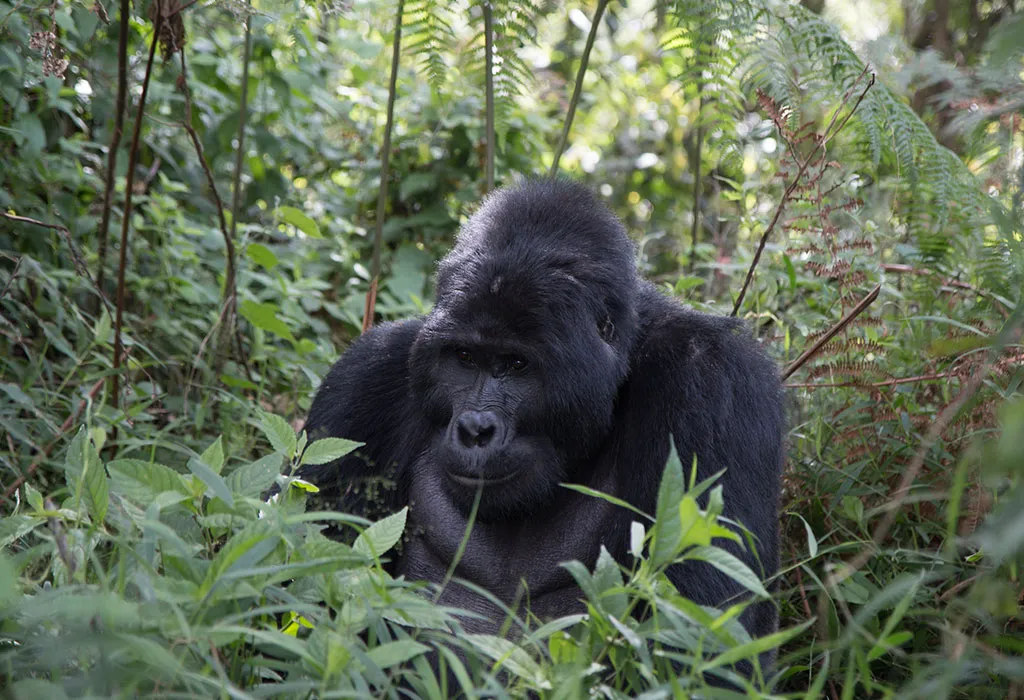
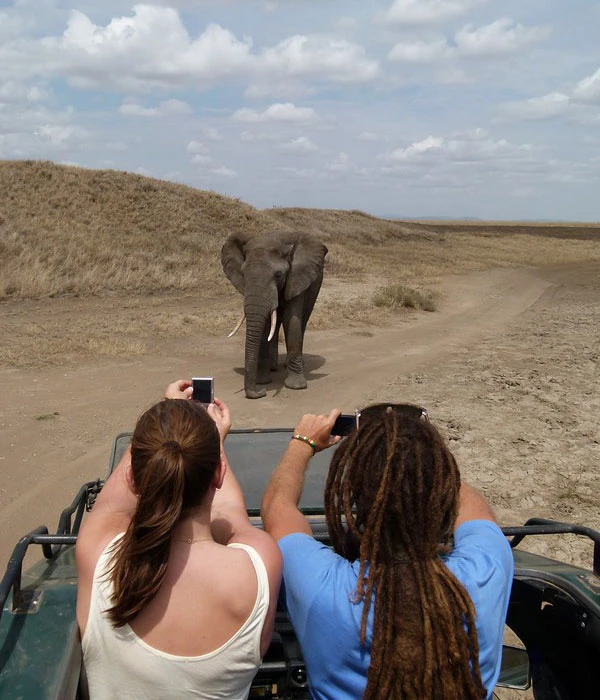
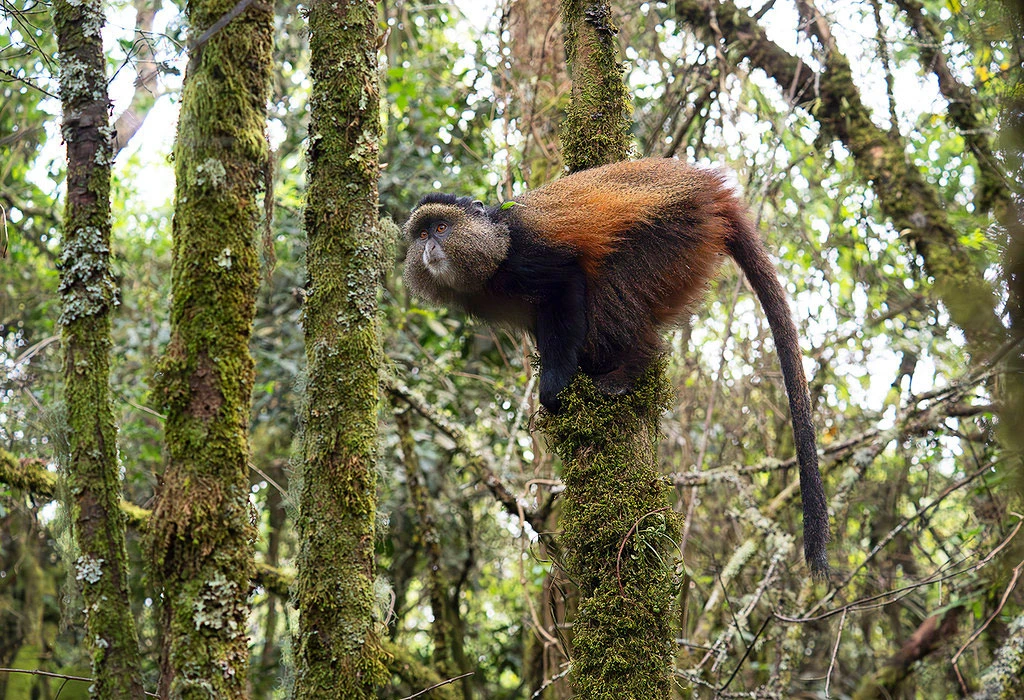
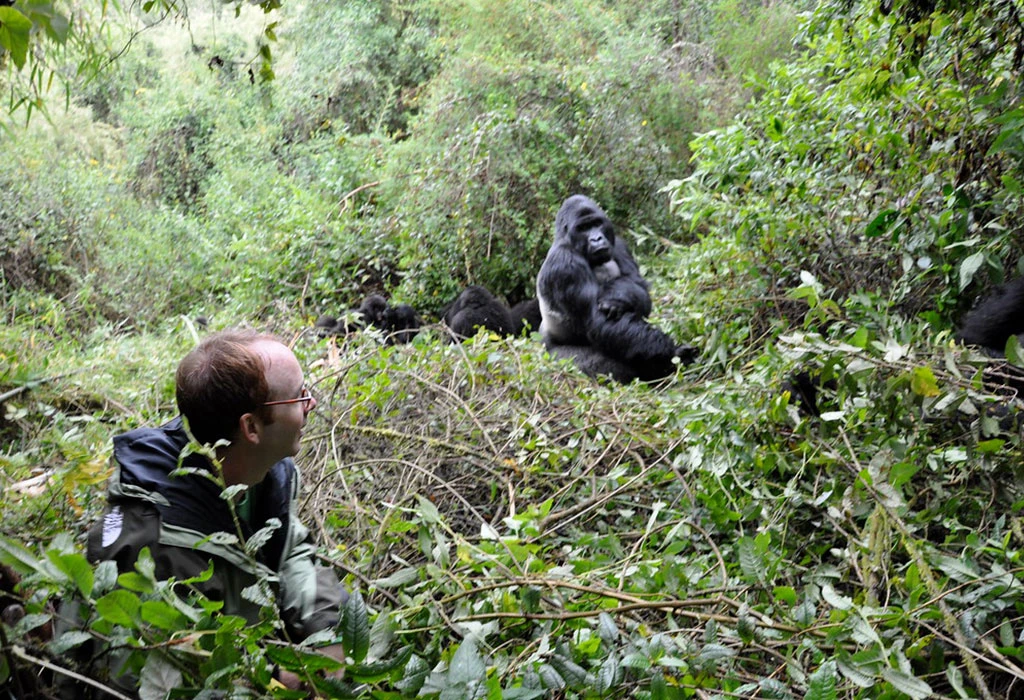
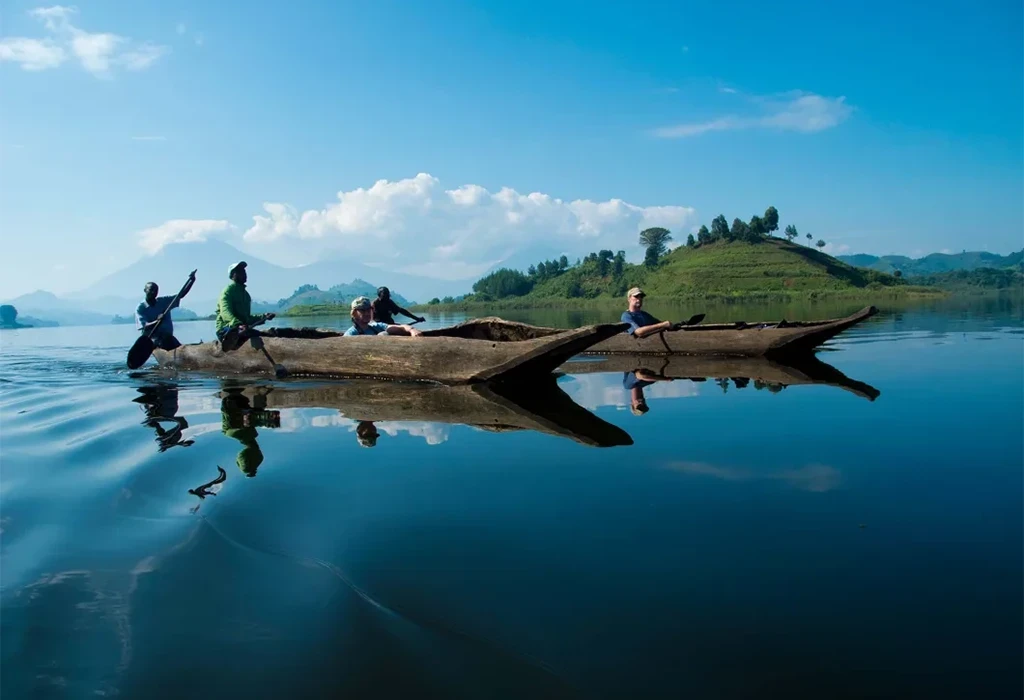
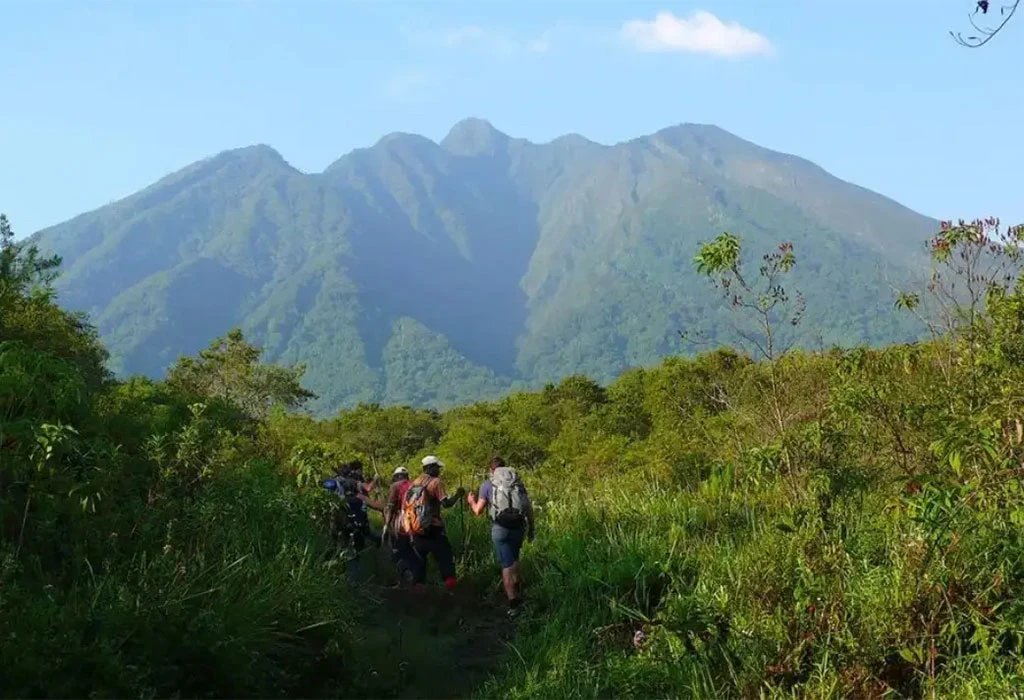
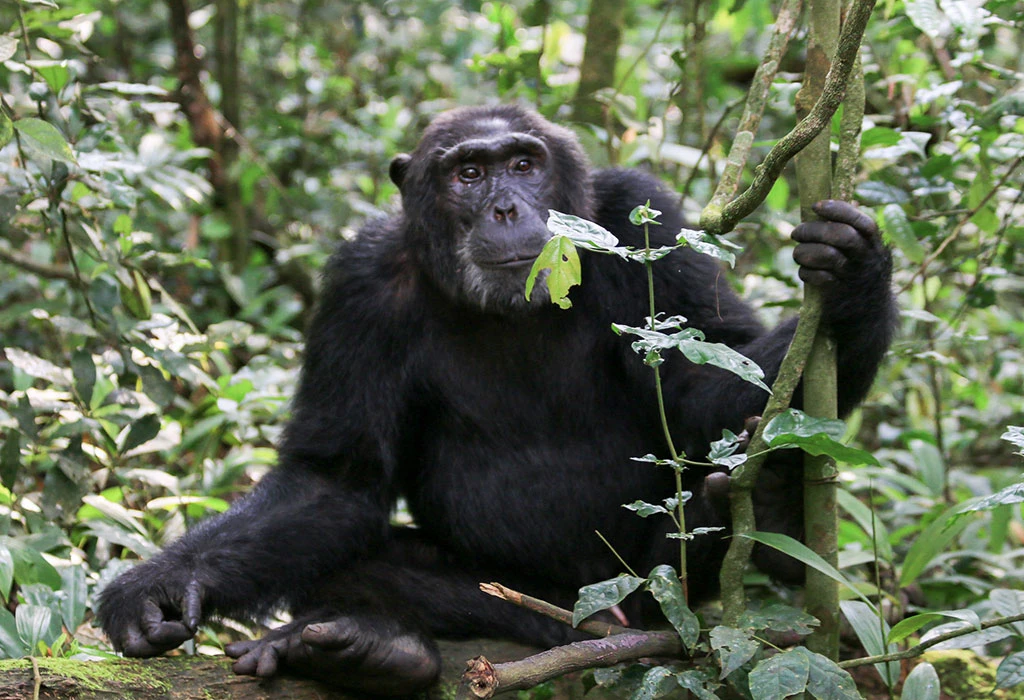
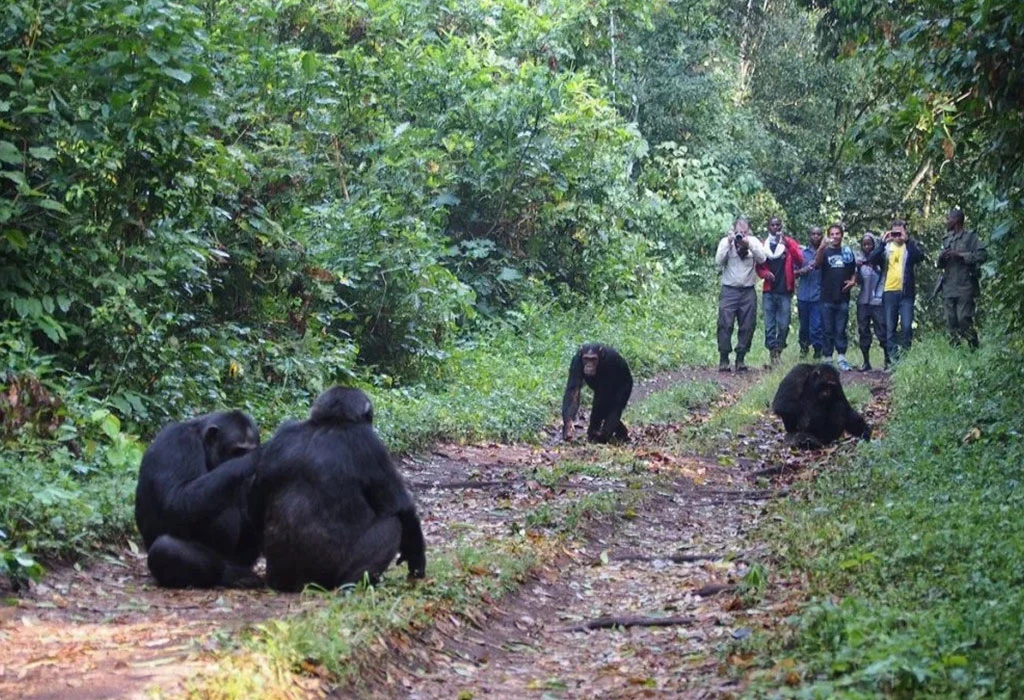
The 3-Day Gorilla Trekking in Uganda is short but delivers a once-in-a-lifetime adventure through Bwindi Impenetrable Forest. You hike deep into pristine rainforest, tracking mountain gorillas through dense vegetation and steep terrain, then spend one unforgettable hour face-to-face with them. Expert guides know exactly where each family roams, making success almost guaranteed. Evenings bring comfortable lodges, authentic local meals, and real insight into gorilla conservation.
Cost Includes
Transportation (Car, Fuel, Driver Guide)
Meals & Accommodation as mentioned
Gorilla Trekking Permit
Bottled Drinking Water
Government Taxes
Cost Excludes
International Flights
Accommodation Before and After your Trip
Optional Batwa Cultural Experience
Sourvenirs
Tips & Porter Hiring
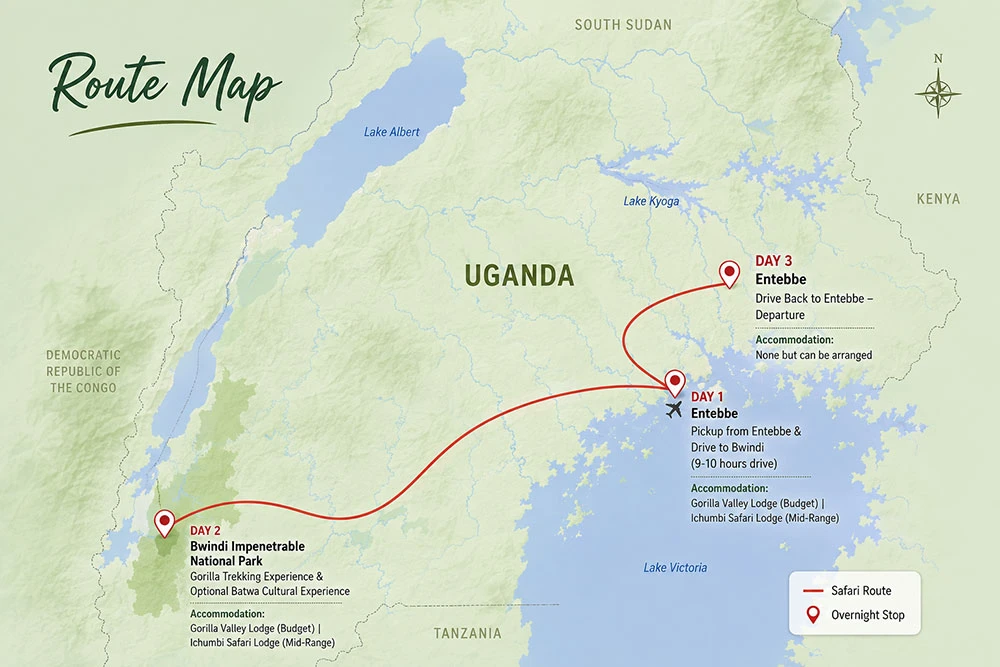
Travel Map
Travel Plan
Day 1: Pickup from Entebbe & Drive to Bwindi (9-10 hours drive)
Your Iconic Africa Safaris guide meets you at Entebbe International Airport or your hotel and loads your bags into a comfortable 4×4 Land Cruiser. Then, you set off on the long but scenic drive southwest toward Bwindi Impenetrable Forest. Along the way, rolling green hills, tea plantations, and local village life paint a vivid picture of rural Uganda. By the time you arrive, the forest air feels cool and fresh. After checking in and settling into your lodge, you enjoy a relaxing evening meal and get a good night’s rest before the big day ahead.
Meal Plan: Half Board (Lunch & Dinner)
Accommodation: Gorilla Valley Lodge (Budget) | Ichumbi Safari Lodge (Mid-Range)
Day 2: Gorilla Trekking Experience & Optional Batwa Cultural Experience
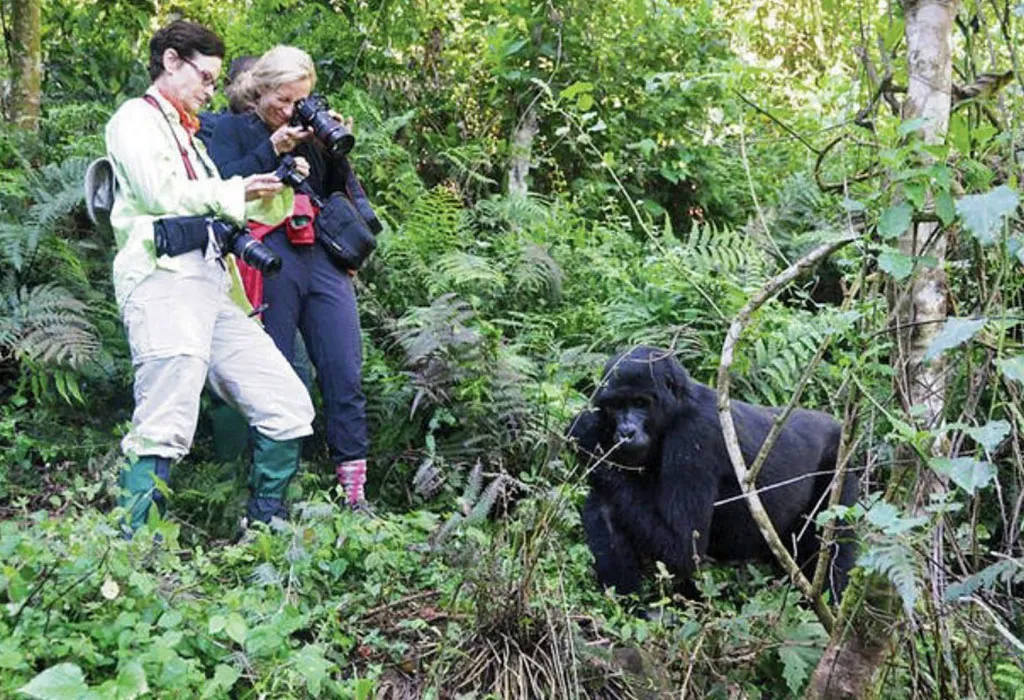
A 5:30–6:00 AM wake-up call starts this extraordinary day. After a hearty breakfast, you drive to the park headquarters, arriving by 7:30 AM for an important briefing on the rules and safety guidelines for spending time with mountain gorillas. Next, you head into the forest alongside armed rangers and experienced guides who know every trail. As you trek deeper, colorful birds, curious primates, and other wildlife appear among the trees. Then, the moment arrives — your guides locate a gorilla family, and you spend 1 incredible hour watching them feed, play and go about their lives just meters away. For many travelers, this hour changes everything. Afterward, you return to the lodge, and if you still have energy, you can join an optional Batwa Cultural Experience to learn how the indigenous forest people once lived.
Meal Plan: Full Board (Breakfast, Lunch & Dinner)
Accommodation: Gorilla Valley Lodge (Budget) | Ichumbi Safari Lodge (Mid-Range)
Day 3: Drive Back to Entebbe - Departure
After breakfast, you say goodbye to the forest and begin the long drive back to Entebbe. Your guide keeps the journey comfortable and enjoyable, sharing stories and local insights along the road. Depending on your flight time, you can stop for lunch, shop for souvenirs in a local market, or for photo moments at the equator at Kayabwe. Finally, your guide drops you off at Entebbe International Airport or your hotel, marking the end of a truly remarkable safari.
Meal Plan: Half Board (Breakfast, Lunch & Dinner)
Accommodation: None but can be arranged
Answered FAQs
What is the actual cost of a 3-Day Gorilla Trekking in Uganda?
Costs vary by group size, travel dates, and accommodation category (budget, mid-range, luxury). We customise each itinerary, so send your group size, dates, and accommodation preference for a detailed quote. Expect roughly $1,420–$1,600 per person for two people sharing comfortable budget lodging. Final prices depend on season; April, May, and November have discounted permits (25% off) and accommodation. The quote we provide will include transport, permits, lodge options and any optional extras.
Is gorilla trekking difficult in Uganda?
Trekking difficulty is moderate to challenging. You hike through rugged, uneven, often muddy forest with no formal trails; rangers may cut through vines and undergrowth. Anyone aged 15+ with moderate fitness can usually complete a trek, and porters (about $20 per hike) are available to carry gear or assist physically. Hiring a porter also supports local communities affected by park protections. The experience can be strenuous but is achievable and highly rewarding for prepared visitors.
Is gorilla trekking in Uganda safe?
Yes. Mountain gorilla trekking in Uganda is very safe: gorilla groups undergo a slow, five-year habituation to human presence before tourism, and visits are limited to fewer than 8 tourists per gorilla group per day. Trekkers are escorted by armed rangers and an expert tracker, and must keep 32 ft (10 m) distance from gorillas. Uganda Wildlife Authority works with researchers and primatologists on strict health, safety, and monitoring protocols. Trekking also directly funds conservation and local communities, helping protect gorillas and their habitats.
What are the chances that you’ll see the mountain gorillas?
Chances are very high—about 99% for trekkers in Uganda. Early-morning ranger teams locate gorilla nests and follow the troops, then radio location updates to your lead guide so your group can be directed to the gorillas. If a troop cannot be found due to rare night disturbances, the trailhead will assign another troop before you set off. This coordinated tracking system and real-time communication make sightings the norm for almost all registered trekkers.
What are the chances that you’ll see the mountain gorillas?
Chances are very high—about 99% for trekkers in Uganda. Early-morning ranger teams locate gorilla nests and follow the troops, then radio location updates to your lead guide so your group can be directed to the gorillas. If a troop cannot be found due to rare night disturbances, the trailhead will assign another troop before you set off. This coordinated tracking system and real-time communication make sightings the norm for almost all registered trekkers.
What should I pack for the trek?
Essential gear includes waterproof hiking jackets, multiple layers, long-sleeve shirts, water-resistant pants, sturdy ankle-support hiking boots and sun protection. Bring insect repellent, facemask, gardening like gloves.
What is the best time to go gorilla trekking in Uganda?
The optimal gorilla trekking seasons in Uganda are the dry periods: June to October and January to February. During these months, trails remain less muddy, visibility is clearer, and your chances of spotting gorillas improve significantly. However, gorilla trekking is possible year-round since these animals don’t migrate. The wet seasons (March–May and November) some times present muddy, slippery trails with some humidity, though they do offer fewer crowds and lower prices for those willing to accept more challenging conditions. The weather in Uganda is unpredictable, so you shouldn’t be surprised with clear days during the period considered to be wet season.
👋 Planning an African safari? Explore Uganda, Rwanda, Kenya, Tanzania or Burundi, or combine several countries into one unforgettable East African adventure. Tell us what you’re looking for, and let’s plan your journey.