
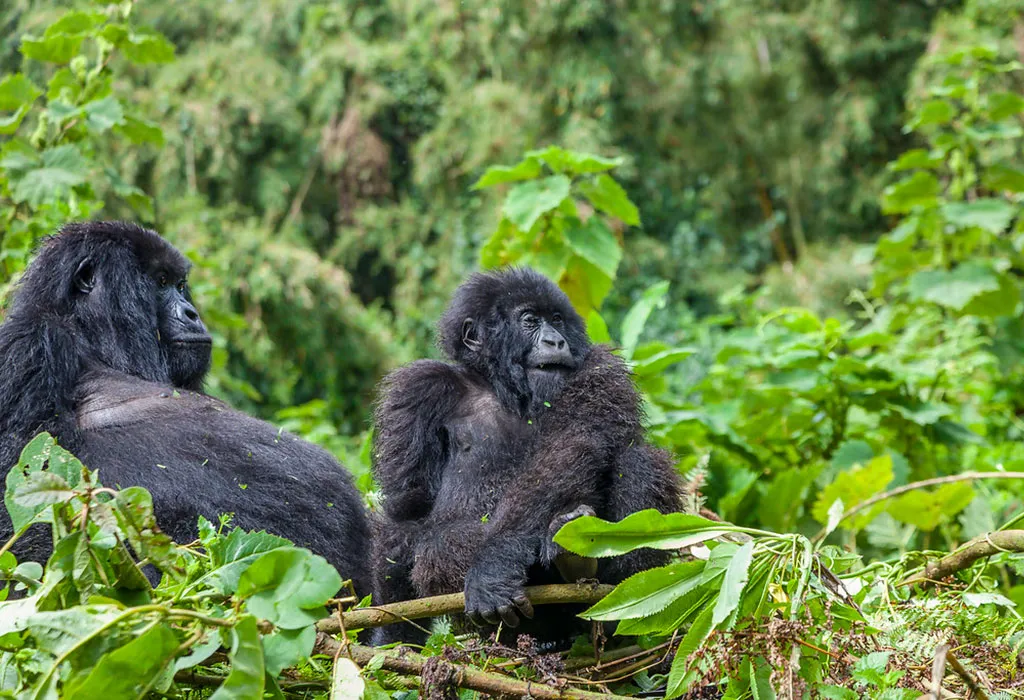
Gorilla Trekking in Rwanda: The Complete Guide that Prepares You
If you type “gorilla trekking in Rwanda” into a search bar today, you probably want three things fast: what it costs, whether it is worth the money, and how to actually book it without getting scammed. This guide answers all three, plus everything in between. Gorilla trekking in Rwanda means hiking through misty volcanic forest to spend one hour with a wild mountain gorilla family, and it ranks among the most talked-about wildlife encounters on the planet. Iconic Africa Safaris has arranged this trip for travelers from dozens of countries, and this article pulls together the real, practical details we wish every guest knew before they landed in Kigali. No fluff, no recycled brochure lines, just the facts you need.
Rwanda built its entire modern tourism identity around gorilla trekking, and the country now protects more mountain gorillas than almost anywhere else on earth. Gorilla trekking in Rwanda is not a casual walk in the park; it is a regulated, permit-based activity run through Volcanoes National Park with strict daily visitor limits. That scarcity is exactly why demand keeps rising every year. Whether you are a first-time safari traveler or someone who has already done the Maasai Mara circuit, gorilla trekking in Rwanda offers something genuinely different: a face-to-face meeting with a creature that shares 98 percent of your DNA.
This article walks through every stage of planning gorilla trekking in Rwanda, from choosing a season to packing your daypack. We built it to be more thorough than the typical listing site, because a permit this expensive deserves a guide this detailed.
What Is Gorilla Trekking?
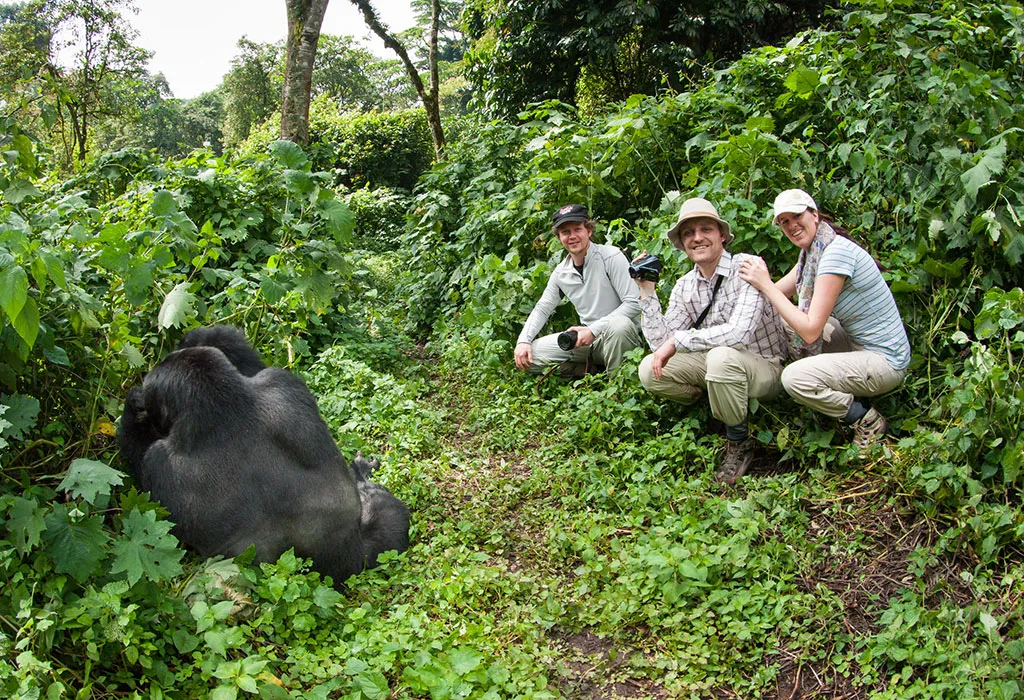
Gorilla trekking is the activity of walking through forest terrain, guided by park rangers, to locate a habituated group of wild mountain gorillas. Gorilla trekking in Rwanda takes place almost entirely inside Volcanoes National Park, in the northwest corner of the country. Rangers track the gorilla family’s location each morning using notes from trackers who slept near the group overnight. Visitors then hike, sometimes for thirty minutes and sometimes for five hours, until the group comes into view.
Once your group finds the gorillas, you get exactly sixty minutes with them. Park rules cap the visit at this length to limit stress on the animals and reduce disease transmission risk. Gorilla trekking in Rwanda differs from a zoo visit or a captive encounter because everything happens on the gorillas’ terms, in their own habitat, with zero barriers between you and them. Guides keep a required distance of about seven meters, though gorillas themselves often ignore that boundary and wander closer.
People often confuse gorilla trekking with gorilla habituation experiences, so it helps to separate the two clearly:
- Gorilla trekking: A one-hour visit with a fully habituated family, available daily with a standard permit.
- Gorilla habituation experience: A four-hour visit with a family still being trained to tolerate humans, offered only in Uganda’s Bwindi Forest.
Rwanda focuses exclusively on the standard one-hour trekking model, and that format is what most people mean when they search for gorilla trekking in Rwanda.
Insider Tip: Trekking difficulty depends far more on which gorilla family you get assigned than on your personal fitness. Ask your guide the night before if any easier-access families are available, especially if you are traveling with older relatives.
Why Rwanda Is Famous for Gorilla Trekking
Rwanda earned its reputation the hard way. After the 1994 genocide devastated the country, the government made a deliberate choice to rebuild national identity partly around conservation and wildlife tourism. Gorilla trekking in Rwanda became a flagship project, and decades of steady investment turned Volcanoes National Park into one of the best-run wildlife reserves in Africa. Roads improved, ranger training tightened, and gorilla numbers climbed rather than dropped.
Location plays a huge role too. Volcanoes National Park sits only a two-and-a-half-hour drive from Kigali International Airport, making gorilla trekking in Rwanda far more accessible than similar experiences in Uganda or the Democratic Republic of Congo. Travelers can land in Kigali, sleep one night, trek gorillas the next morning, and fly home within three days if their schedule demands it. Few high-value wildlife experiences anywhere in the world offer that kind of convenience.
Rwanda also markets itself aggressively as a clean, safe, orderly destination, and that reputation matters when someone is deciding where to spend thousands of dollars on a wildlife trip. According to the Rwanda Development Board, tourism revenue tied to gorilla trekking now ranks among the country’s top sources of foreign income. That financial success created a virtuous cycle: more money flows into ranger salaries, anti-poaching patrols, and community projects, which keeps the gorilla population healthy, which keeps travelers booking gorilla trekking in Rwanda year after year.
Volcanoes National Park
Volcanoes National Park covers roughly 160 square kilometers along the Virunga Massif, a chain of volcanoes shared by Rwanda, Uganda, and the Democratic Republic of Congo. Five of the eight Virunga volcanoes sit inside Rwanda’s borders, and their slopes hold dense bamboo forest, open meadows, and swampy lowland vegetation. Gorilla trekking in Rwanda happens almost entirely within this single park, unlike Uganda, where treks split between two separate reserves.
Elevation shapes everything about a visit here. Trekking routes range from around 2,400 meters to over 3,000 meters above sea level, and altitude affects breathing far more than most visitors expect. Weather shifts fast too; a sunny morning can turn into a downpour within twenty minutes, so guides always plan routes with rain in mind. Because Volcanoes National Park protects such a small, concentrated area, ranger teams know gorilla movement patterns extremely well, which keeps average trek durations shorter here than in many other gorilla destinations.
The park headquarters sits near the town of Kinigi, close to most of the lodges built specifically to serve gorilla trekking in Rwanda. Every trek begins at this headquarters with a briefing, group assignment, and a chance to hire a porter before setting out. Dian Fossey, the primatologist whose research first drew global attention to mountain gorillas, conducted her fieldwork on these same slopes, and her research center still operates nearby today.
Meet the Gorilla Families
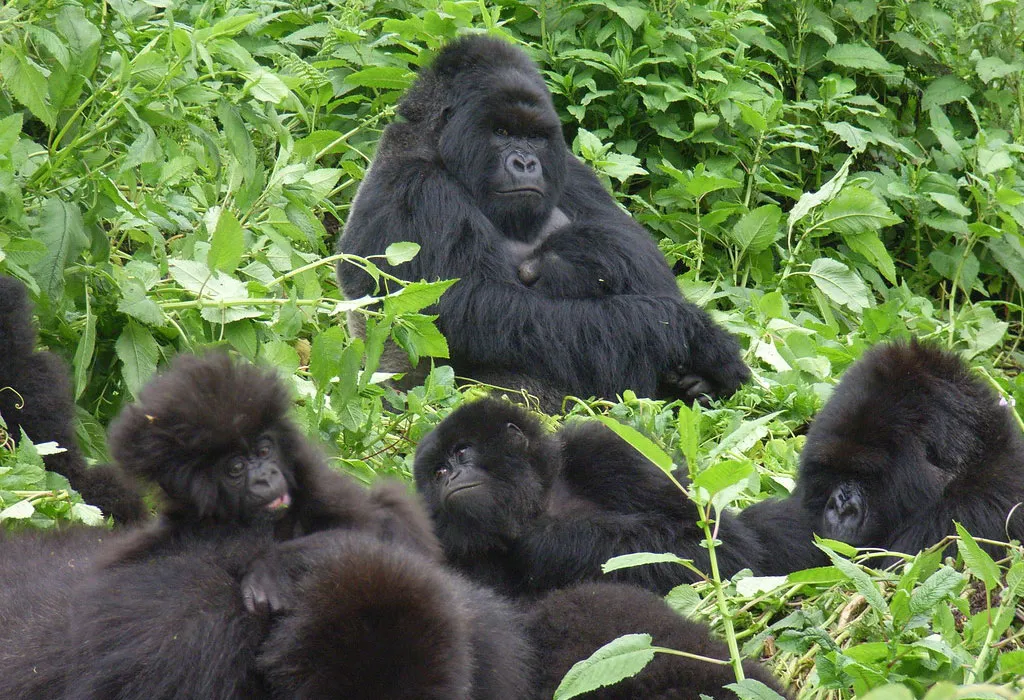
Volcanoes National Park currently manages around twenty habituated gorilla families, though only a portion open for trekking on any given day due to permit caps. Each family has a distinct personality shaped by its dominant silverback, its size, and its history. Some groups stay high on the slopes and demand tougher hikes, while others graze in lower, gentler terrain closer to the park boundary.
A few well-known families illustrate the range you might encounter during gorilla trekking in Rwanda:
- Susa Group: One of the largest and most famous families, once studied directly by Dian Fossey, though it requires a longer, steeper hike.
- Sabyinyo Group: Home to Guhonda, one of the biggest silverbacks in the park, and generally an easier trek from the trailhead.
- Amahoro Group: Known for a calm temperament, with a name that means “peace” in Kinyarwanda.
- Kwitonda Group: A large family that migrated from Congo years ago and settled permanently in Rwanda.
- Hirwa Group: Famous for a set of surviving twin gorillas, a rare occurrence in the species.
Park rangers assign visitors to families each morning based on fitness level, group size, and permit availability, not personal preference. Guides do take reasonable requests, especially for travelers with mobility concerns, but assignments ultimately depend on staff judgment that morning. This system keeps gorilla trekking in Rwanda organized and prevents overcrowding around any single family.
Gorilla Trekking Permits in Rwanda
A permit is the single most important document for gorilla trekking in Rwanda, and the government issues a strict maximum of ninety-six permits per day. Only eight visitors are allowed per gorilla family group, spread across roughly twelve trekking families on any given day. This cap exists purely for conservation reasons, since too much human contact stresses gorillas and raises disease risk.
Permits are issued by the Rwanda Development Board and must be booked in advance, ideally several months ahead during peak season. Iconic Africa Safaris handles permit booking directly for clients, which removes the guesswork and paperwork from the process. A permit alone does not include transport, lodging, or park entry to other zones; it strictly covers your single one-hour gorilla visit on an assigned date.
Insider Tip: Permits sell out fastest for July, August, and December. If those months matter to your schedule, lock in your gorilla trekking in Rwanda permit at least four to six months ahead.
Permits are non-transferable to another person and generally non-refundable, though rescheduling is sometimes possible with enough notice and a valid reason. Always confirm your operator’s cancellation policy before paying, since permit rules can shift with little warning from the Rwanda Development Board.
Gorilla Trekking Permit Costs
Cost is usually the first question anyone asks about gorilla trekking in Rwanda, and the honest answer is that it is expensive by design. As of 2026, a standard gorilla trekking permit costs 1,500 USD per person for international, non-East African Community visitors. East African Community citizens pay a significantly reduced local rate, and Rwandan residents pay even less.
| Visitor Category | Approximate Permit Cost (USD) |
|---|---|
| International (non-EAC) visitors | $1,500 |
| East African Community citizens | $200 |
| Rwandan residents and citizens | $100 |
| Foreign residents of Rwanda | $500 |
That 1,500 USD figure covers the permit only, not flights, lodging, meals, park transport, or tips. Budget travelers sometimes assume gorilla trekking in Rwanda is unaffordable once they see that number, but many operators, including Iconic Africa Safaris, build shorter, leaner itineraries that keep total trip costs reasonable while still delivering the full trekking experience.
Prices do change periodically, so always confirm current permit rates directly with your operator before finalizing a budget. Rwanda has held this pricing structure steady since 2017, positioning gorilla trekking in Rwanda as a premium product compared to Uganda’s roughly 800 USD permit fee.
Best Time for Gorilla Trekking in Rwanda
Rwanda’s climate splits into two dry seasons and two wet seasons, and each affects trekking conditions differently. Dry season generally means firmer trails and easier hiking, while wet season brings lush scenery, fewer crowds, and occasionally muddy, slippery paths. Gorillas live in the forest year-round regardless of weather, so trekking remains possible every single month.
| Season | Months | Trekking Conditions |
|---|---|---|
| Long dry season | June to September | Firm trails, peak crowds, highest permit demand |
| Short dry season | December to February | Good trails, moderate crowds, popular with families |
| Long rainy season | March to May | Muddy paths, lush forest, lowest prices and crowds |
| Short rainy season | October to November | Occasional showers, quieter trails, good value |
June through September stands out as the most popular window for gorilla trekking in Rwanda, largely because it aligns with summer holidays in Europe and North America. Trails stay firmer during these months, which matters on steep volcanic slopes. December through February offers a smaller dry stretch that many families choose to avoid crowded summer pricing while still getting decent trail conditions.
The rainy months from March to May bring the fewest visitors and sometimes lower lodge rates, though hikers should expect mud, leeches, and the need for sturdier waterproof gear. Gorilla trekking in Rwanda during these quieter months still delivers the same close encounter, just with a wetter, greener backdrop. October and November sit in between, offering a reasonable compromise for travelers avoiding both peak crowds and heavy rain.
How to Book Gorilla Trekking in Rwanda
Booking gorilla trekking in Rwanda involves more coordination than booking a standard hotel stay, since permits, lodging, and transport all need to align on the same dates. Most travelers work through a licensed tour operator rather than booking permits independently, mainly because operators have direct relationships with the Rwanda Development Board and can secure availability faster.
Here is the general process Iconic Africa Safaris follows for every booking:
- Confirm your preferred travel dates and check permit availability for that window.
- Reserve and pay for your gorilla trekking permit to lock in your spot.
- Book accommodation near Volcanoes National Park that matches your budget.
- Arrange transfers and ground transport from Kigali.
- Receive a final itinerary with trekking day details and packing guidance.
Direct government booking is technically possible through the Rwanda Development Board’s official tourism portal, though many travelers find the process confusing without local support. Using an operator also gives you a single point of contact if flights change or weather disrupts your plans. Gorilla trekking in Rwanda runs on tight daily schedules, so having someone coordinate logistics on your behalf reduces stress considerably.
Insider Tip: Book gorilla trekking in Rwanda at least three months ahead for shoulder season and six months ahead for July, August, and December to guarantee your preferred dates.
Trekking Rules You Must Follow
Rangers enforce a consistent set of rules during every gorilla trek, and these rules exist to protect both visitors and gorillas from harm. Anyone showing symptoms of a cold, flu, or other contagious illness will be asked not to trek that day, since gorillas can catch human diseases with sometimes fatal results. This rule gets enforced strictly, even if it means losing your permit fee.
Standard trekking rules for gorilla trekking in Rwanda include:
- Maintain at least seven meters of distance from the gorillas at all times.
- Speak quietly and avoid sudden movements or loud noises near the group.
- Never eat, drink, or smoke while in the presence of gorillas.
- Turn off camera flash completely, since it can startle or distress the animals.
- Avoid direct eye contact with a silverback if he approaches or displays.
- Stay in a tight group and follow your ranger’s instructions immediately.
- Limit your visit strictly to one hour, as tracked by park staff.
Children under fifteen are not permitted to trek at all, a rule covered in more detail later in this guide. Guides carry the final authority to end a trek early if a gorilla shows signs of stress or aggression, and visitors must comply without argument. These rules keep gorilla trekking in Rwanda sustainable for both the animals and future generations of travelers.
Fitness Requirements
Fitness expectations for gorilla trekking in Rwanda vary enormously depending on which family you get assigned and where that family happens to be that particular morning. Some treks last thirty minutes on relatively flat terrain, while others stretch past five hours across steep, muddy volcanic slopes at high altitude. Nobody knows in advance exactly how difficult their specific trek will be.
A reasonable level of general fitness helps enormously, though you do not need to be an athlete. Regular walkers who can comfortably manage two to three hours of uneven hiking terrain generally handle gorilla trekking in Rwanda without major difficulty. Altitude can still surprise fit travelers, since even strong hikers sometimes feel breathless faster than expected above 2,500 meters.
Porters are available to hire at the trailhead for a modest fee, and they carry bags, offer a steadying hand on steep sections, and often pull travelers up muddy inclines. Hiring a porter is one of the smartest decisions any traveler can make, regardless of fitness level, and it also supports local employment around the park. Guides can request an easier-access family for travelers who mention mobility limitations during the morning briefing, which makes gorilla trekking in Rwanda genuinely achievable for a wide range of ability levels.
Age Limits for Gorilla Trekking
Rwanda enforces a strict minimum age of fifteen years old for gorilla trekking, with no exceptions granted regardless of a child’s maturity or physical fitness. This rule exists primarily to protect gorillas from disease transmission, since younger children carry a higher risk of common childhood illnesses that could spread to the animals. It also reflects the genuine physical demands of a trek that can last several hours.
There is no upper age limit for gorilla trekking in Rwanda, and travelers well into their seventies and eighties complete treks successfully every year. Fitness matters more than age at that stage of life, and hiring a porter becomes especially valuable for older travelers tackling steeper routes. Families traveling with children under fifteen often plan alternate activities during the trekking morning, such as a visit to the Dian Fossey exhibit or a community cultural tour near the park.
Insider Tip: If your family includes children under fifteen, look into the golden monkey trekking experience in the same park, which has no age restriction and offers a shorter, gentler hike.
Packing List for Gorilla Trekking in Rwanda
Proper gear makes a measurable difference in comfort during gorilla trekking in Rwanda, especially given the unpredictable mountain weather. Layering matters more than any single piece of equipment, since temperatures shift quickly between sun, shade, and sudden rain showers throughout the trek.
Essential items to pack include:
- Waterproof hiking boots with solid ankle support and good tread for muddy slopes.
- Gardening gloves to protect hands from stinging nettles and thorny vegetation.
- Long-sleeved shirt and long pants to shield skin from plants and biting insects.
- A lightweight rain jacket, even during dry season, since mountain weather changes fast.
- A daypack to carry water, snacks, and camera gear comfortably on the trail.
- Gaiters to keep mud and small insects out of your boots.
- A reusable water bottle holding at least one liter for the trek.
- Insect repellent applied before setting out from the trailhead.
- A hat and sunscreen for exposed sections above the tree line.
- Cash in small bills for porter tips and souvenir purchases.
Pack light for the trek itself, since anything unnecessary just adds weight on steep terrain. Most lodges offer laundry service, so bringing a smaller wardrobe and washing clothes mid-trip works well for gorilla trekking in Rwanda travelers on shorter itineraries. Rain gear deserves special attention no matter which season you travel, since a sudden downpour is common even in the driest months.
What to Expect During the Trek
Trekking day begins early, usually with a 5:30 a.m. wake-up call and a short drive to Volcanoes National Park headquarters near Kinigi. A briefing follows, where rangers explain safety rules, assign visitors to gorilla families, and answer last-minute questions. This morning routine sets the tone for the entire gorilla trekking in Rwanda experience.
After the briefing, your assigned group drives closer to the trailhead matching your gorilla family’s overnight location. From there, the actual hike begins, often through farmland before entering dense forest at the park boundary. Trackers stay in radio contact with your guide throughout, relaying updates on the gorilla family’s exact position as you get closer.
The moment you spot your first gorilla changes the entire mood of the group; conversations drop to whispers almost instantly. You get a full sixty minutes to watch, photograph, and simply absorb the experience, though many visitors say it feels like far less time. Silverbacks often ignore visitors entirely, continuing to feed or rest while younger gorillas display far more curiosity toward the group. When the hour ends, your guide signals it is time to leave, and the walk back to the trailhead usually feels shorter than the walk in.
Photography Tips for Gorilla Trekking
Capturing great images during gorilla trekking in Rwanda takes some preparation, since forest lighting stays dim and conditions change fast. Flash photography is strictly banned, so cameras need to perform well in low light without it. A camera with strong high-ISO performance will produce far cleaner images than one that struggles in shadow.
Practical photography tips for gorilla trekking in Rwanda include:
- Set your ISO high before the trek starts, since adjusting settings mid-encounter wastes precious time.
- Use a fast shutter speed to freeze movement, since gorillas rarely sit still for long.
- Bring a lens in the 24-105mm range rather than an extreme telephoto, since distances stay close.
- Keep both hands free by using a camera strap rather than carrying it loose.
- Take a few seconds to simply watch without a camera, since memory matters as much as photos.
Rain covers protect gear during unexpected showers, and a simple dry bag keeps spare batteries and memory cards safe throughout the hike. Many photographers find that a mirrorless camera body works better than a bulky DSLR setup, mainly due to lighter weight over several hours of hiking. Whatever gear you bring, remember that gorilla trekking in Rwanda moves fast once the group arrives, so familiarity with your own camera settings matters more than owning expensive equipment.
Where to Stay: Accommodation by Budget
Lodging options near Volcanoes National Park cover a wide price range, from simple guesthouses to some of the most luxurious lodges in East Africa. Choosing where to stay shapes the overall feel of your gorilla trekking in Rwanda trip almost as much as the trek itself, since most travelers spend at least one evening relaxing after a long day on the mountain.
Budget travelers can find comfortable guesthouses in Musanze town, roughly fifteen minutes from the park headquarters, at a fraction of luxury lodge pricing. Mid-range travelers often choose properties just outside the park boundary that combine solid comfort with mountain views and shorter drive times on trekking morning. High-end travelers gravitate toward award-winning lodges built specifically around gorilla tourism, offering private cottages, mountain-facing decks, and personalized service that turns the trip into a genuine luxury escape.
Iconic Africa Safaris works with properties across every budget tier and matches accommodation choices to each traveler’s priorities, whether that means saving money for a longer itinerary or splurging on a five-star lodge experience. Booking accommodation close to the park significantly reduces your early-morning drive time, which matters when wake-up calls start before dawn on trekking day.
Getting Around: Transport Options
Getting to Volcanoes National Park requires reliable ground transport, since no commercial airport serves the immediate area around the park. Most travelers arrange a private vehicle with driver-guide through their operator, which handles both airport pickup and the drive to Musanze or Kinigi. Self-driving is technically possible but rarely recommended, given unfamiliar roads and the value of a knowledgeable local guide.
Common transport options for gorilla trekking in Rwanda include:
- Private safari vehicle with driver-guide: The most popular choice, offering comfort and flexibility.
- Shared shuttle transfer: A budget-friendly option for solo travelers or small groups.
- Domestic charter flight: A faster but pricier alternative for travelers combining multiple destinations.
- Public bus: The cheapest option, though not recommended for first-time visitors unfamiliar with local routes.
Vehicles used for this route are typically four-wheel-drive SUVs, since some rural roads near the park still lack full paving. Iconic Africa Safaris includes private transport in most gorilla trekking in Rwanda packages, which removes logistical stress and lets travelers focus entirely on the experience ahead.
Kigali to Volcanoes National Park
The drive from Kigali to Volcanoes National Park takes roughly two and a half to three hours, covering about 110 kilometers of well-maintained road. This route ranks among the smoothest and most scenic drives in East Africa, winding through terraced hillsides, small farming villages, and increasingly dramatic volcanic scenery as you approach the park. Most gorilla trekking in Rwanda itineraries schedule this drive the day before trekking, allowing travelers to arrive relaxed rather than rushed.
Rwanda’s excellent road infrastructure makes this journey far easier than comparable drives in neighboring countries. Traffic in Kigali itself can slow the first thirty minutes of the trip, but conditions open up quickly once you clear the city limits. Many operators build in a short stop at a coffee or tea plantation along the way, giving travelers a taste of local agriculture before reaching the mountains.
Arriving the afternoon before your trek gives you time to settle into your lodge, review trekking rules with your guide, and get a full night’s rest before the early wake-up call. Rushing straight from the airport to a trek the same day is technically possible but rarely advisable, since jet lag and altitude can compound each other.
Wildlife and Birds Beyond Gorillas
Gorilla trekking in Rwanda often overshadows the fact that Volcanoes National Park hosts remarkable biodiversity beyond mountain gorillas. Golden monkeys, an endangered primate species found only in the Virunga region, live in bamboo forest zones and offer a lively, energetic trekking experience of their own. Watching them leap through bamboo stands provides a fun contrast to the calmer pace of a gorilla encounter.
Birdlife in the park impresses serious birders too, with over 178 recorded species including several found nowhere else outside the Albertine Rift region. Buffalo, forest elephants, and spotted hyena also inhabit the park, though sightings are far less predictable than gorilla encounters due to their more secretive behavior. Visitors focused purely on gorilla trekking in Rwanda sometimes skip these additional activities, but adding even a half-day golden monkey trek rounds out the trip nicely.
Twelve Virunga volcanoes across the border regions support this wider ecosystem, and Rwanda’s section alone protects habitat critical to dozens of species beyond gorillas. Combining a gorilla trek with a golden monkey trek makes efficient use of a short itinerary while still keeping the mountain gorilla encounter as the clear highlight.
Conservation Efforts in Rwanda
Conservation success stories in Africa remain rare, which makes Rwanda’s mountain gorilla recovery genuinely remarkable. Mountain gorilla numbers across the Virunga Massif have grown steadily over the past three decades, moving the species from critically endangered toward endangered status according to the International Union for Conservation of Nature. Gorilla trekking in Rwanda funds a large share of this recovery through permit revenue directed straight into ranger salaries, anti-poaching patrols, and veterinary care.
The Rwanda Development Board partners closely with organizations like the Dian Fossey Gorilla Fund, which continues research and monitoring work first started by Fossey herself in the 1960s. Veterinary teams track gorilla health closely, treating injuries from poacher snares and monitoring disease outbreaks that could threaten entire family groups. This level of hands-on care distinguishes Rwanda’s conservation model from more passive protection approaches used elsewhere.
Community involvement plays an equally important role in this success. A significant percentage of park revenue flows directly to villages bordering Volcanoes National Park, funding schools, clinics, and infrastructure projects. That revenue-sharing model gives local communities a direct financial stake in protecting gorillas rather than viewing them as a nuisance or poaching target, which has proven far more effective than enforcement alone.
Responsible Tourism Practices
Responsible behavior during gorilla trekking in Rwanda protects both the animals and the long-term sustainability of the industry. Visitors carry real responsibility here, not just park staff, and small choices add up across the roughly thirty thousand people who trek gorillas in Rwanda each year.
Practical ways to practice responsible tourism include:
- Book through licensed, reputable operators who follow park regulations consistently.
- Never trek while sick, even if that means forfeiting a nonrefundable permit fee.
- Avoid littering anywhere inside the park, including biodegradable food waste.
- Tip porters, trackers, and guides fairly for their skilled, physically demanding work.
- Choose lodges and operators that employ local staff and source food locally.
- Respect photography rules rather than pushing closer for a better shot.
Supporting community-based tourism initiatives around the park, such as cultural villages and craft cooperatives, spreads economic benefit beyond permit fees alone. Gorilla trekking in Rwanda works best as a shared responsibility between government regulation, operator standards, and individual visitor behavior, and every traveler plays a genuine part in that system.
Safety During Gorilla Trekking
Safety concerns rank high on most travelers’ minds before booking, and Rwanda has built a strong overall reputation for visitor security. Armed rangers accompany every trekking group, partly for wildlife encounters and partly as a general safety measure inherited from decades of park management experience. Gorilla trekking in Rwanda carries a very low incident rate compared to many other adventure activities worldwide.
Mountain gorillas themselves rarely pose danger to calm, rule-following visitors, since habituated families have grown accustomed to human presence over years of careful monitoring. Aggressive displays occasionally occur, usually from a silverback establishing dominance, but trained guides know how to de-escalate these moments quickly. Visitors should stay calm, avoid running, and follow ranger instructions immediately if a display happens.
Beyond wildlife safety, Rwanda consistently ranks among Africa’s safest countries for general travel, with low crime rates and stable governance. The U.S. Department of State and UK Foreign Office both note Rwanda’s comparatively strong safety record in their travel guidance. Standard travel precautions still apply, such as securing valuables and using reputable transport, but gorilla trekking in Rwanda involves fewer safety concerns than many travelers initially assume.
Cultural Experiences Around Volcanoes National Park
Communities living around Volcanoes National Park offer rich cultural experiences that pair naturally with a gorilla trekking in Rwanda itinerary. The Iby’Iwacu Cultural Village, located near the park entrance, gives visitors a hands-on introduction to traditional Rwandan life, including dance performances, craft demonstrations, and storytelling sessions led by local community members.
Many of these cultural programs were founded partly by former poachers who now earn income through tourism instead, creating a direct link between cultural tourism and conservation success. Visitors can try traditional archery, learn banana beer brewing techniques, or watch energetic Intore dance performances that tell stories of Rwandan history. These experiences typically run two to three hours and fit easily into an afternoon following a morning gorilla trek.
Adding a cultural visit rounds out a gorilla trekking in Rwanda trip by connecting the wildlife experience to the human communities who share this landscape. It also directs tourism income toward households that might not otherwise benefit directly from park revenue, strengthening the broader case for community-supported conservation in the region.
Nearby Attractions Worth Adding
Volcanoes National Park sits within reach of several attractions that pair well with gorilla trekking in Rwanda, particularly for travelers extending their stay beyond a single trekking day. Lake Kivu, one of Africa’s Great Lakes, lies roughly two hours south and offers relaxed lakeside towns like Gisenyi for post-trek downtime.
Popular additions to a gorilla trekking in Rwanda itinerary include:
- Golden monkey trekking: A shorter, lower-cost trek within the same park.
- Dian Fossey Gorilla Fund exhibit: A museum covering her research and conservation legacy.
- Lake Kivu: A scenic lakeside stop for relaxation and water activities.
- Musanze Caves: Volcanic lava tube caves open for guided exploration near town.
- Twin Lakes Burera and Ruhondo: Scenic viewpoints and boat trip opportunities.
- Kigali city tours: Including the Genocide Memorial and vibrant local craft markets.
Kigali itself deserves at least a half-day for travelers flying in and out, since the capital has transformed into one of Africa’s cleanest, most walkable cities. Combining a Kigali city tour with gorilla trekking in Rwanda gives visitors a fuller picture of the country beyond just its famous forest.
Combining Rwanda With Uganda or Kenya
Many travelers extend their trip by combining gorilla trekking in Rwanda with a broader East African safari across neighboring countries. Uganda sits just across the border and offers its own gorilla trekking experience in Bwindi Impenetrable Forest, along with classic savanna wildlife in parks like Queen Elizabeth National Park. Crossing overland between Rwanda and Uganda typically takes three to four hours depending on the specific border crossing used.
| Comparison Factor | Rwanda | Uganda |
|---|---|---|
| Permit cost (international visitors) | $1,500 | $800 |
| Number of trekking locations | 1 (Volcanoes National Park) | 2 (Bwindi and Mgahinga) |
| Kigali/Entebbe to trekking site | 2.5–3 hours | 8–10 hours (Bwindi) |
| Habituation experience available | No | Yes |
| Overall trekking difficulty | Moderate to strenuous | Moderate to strenuous |
Kenya, meanwhile, does not have mountain gorillas but pairs beautifully with gorilla trekking in Rwanda through its classic savanna safari circuit in the Maasai Mara. Travelers often fly from Kigali to Nairobi to add a Big Five safari experience before or after their gorilla trek, creating a well-rounded East African trip that mixes primates, big cats, and dramatic landscapes. Iconic Africa Safaris regularly builds combined itineraries across all three countries for travelers wanting maximum variety in a single journey.
Sample Itineraries
Itinerary length for gorilla trekking in Rwanda depends heavily on how much time travelers have available and whether they want to add extra activities beyond the trek itself. Below are three sample structures that Iconic Africa Safaris commonly arranges for clients.
3-Day Express Itinerary Day 1: Arrive Kigali, transfer to Volcanoes National Park area, evening briefing. Day 2: Full-day gorilla trekking in Rwanda, afternoon rest or cultural village visit. Day 3: Morning golden monkey trek, transfer back to Kigali for departure.
5-Day Balanced Itinerary Day 1: Arrive Kigali, city tour including the Genocide Memorial. Day 2: Transfer to Volcanoes National Park, afternoon at leisure. Day 3: Full-day gorilla trekking in Rwanda experience. Day 4: Golden monkey trek and Iby’Iwacu Cultural Village visit. Day 5: Transfer to Lake Kivu or back to Kigali for departure.
8-Day Combined Uganda Extension Days 1–3: Kigali arrival, gorilla trekking in Rwanda, cultural activities. Days 4–5: Overland transfer to Uganda, Queen Elizabeth National Park game drives. Days 6–8: Bwindi Forest gorilla trekking, return transfer, and departure.
Every itinerary can be adjusted for budget, physical ability, or specific interests like birding and photography. Iconic Africa Safaris builds each plan around the client’s priorities rather than pushing a fixed, one-size-fits-all package.
Common Mistakes to Avoid
Even well-prepared travelers occasionally make avoidable mistakes that reduce their enjoyment of gorilla trekking in Rwanda. Learning from other travelers’ experiences can save both money and frustration on what should be a smooth, memorable trip.
Frequent mistakes worth avoiding include:
- Booking permits too late and missing out on preferred dates during peak season.
- Skipping travel insurance that specifically covers high-altitude trekking activities.
- Underestimating trek difficulty and arriving without adequate physical preparation.
- Packing cotton clothing that stays wet and uncomfortable after rain or sweat.
- Forgetting cash for porter tips, since card payment is not available on the trail.
- Ignoring the sickness policy and attempting to trek while visibly unwell.
- Choosing the cheapest possible operator without checking licensing or reviews.
Rushing the itinerary also causes problems, since arriving in Rwanda the same day as your trek leaves no buffer for flight delays or fatigue. Building at least one full rest day into a gorilla trekking in Rwanda itinerary reduces stress considerably and improves overall trek performance the following morning.
Practical Travel Tips
A handful of practical details make a real difference to comfort and confidence during gorilla trekking in Rwanda. Currency exchange works best in Kigali before heading to Musanze, since rural exchange options remain limited. Rwandan francs are the local currency, though many lodges and operators also accept US dollars for larger payments like permits and accommodation.
Additional practical tips include:
- Confirm your visa requirements early, since most nationalities need approval before arrival.
- Carry printed copies of your permit and booking confirmations, not just digital versions.
- Pack a basic first-aid kit including altitude sickness medication if prone to it.
- Bring a universal power adapter, since Rwanda uses European-style plug sockets.
- Drink bottled or filtered water throughout your trip to avoid stomach upset.
- Learn a few Kinyarwanda greetings, which locals genuinely appreciate hearing from visitors.
Mobile network coverage remains surprisingly reliable even near Volcanoes National Park, and most lodges offer Wi-Fi for staying connected between trekking days. Travel insurance covering emergency evacuation is strongly recommended for gorilla trekking in Rwanda, given the remote terrain involved in some trekking routes.
Frequently Asked Questions
How much does gorilla trekking in Rwanda cost? A standard gorilla trekking permit costs 1,500 USD per person for international visitors, not including flights, lodging, or transport.
What is the best time for gorilla trekking in Rwanda? June through September and December through February offer the driest, firmest trekking conditions, though trekking runs year-round.
Is gorilla trekking in Rwanda safe? Yes, armed rangers accompany every group, habituated gorillas rarely show aggression, and Rwanda maintains strong overall travel safety.
How long does gorilla trekking in Rwanda take? Hiking time ranges from thirty minutes to five hours, followed by a fixed one-hour visit with the gorilla family.
What is the minimum age for gorilla trekking in Rwanda? Visitors must be at least fifteen years old, with no exceptions granted regardless of maturity or fitness level.
Do I need to be very fit for gorilla trekking in Rwanda? Moderate fitness helps, but porters are available to assist, and guides can assign easier routes for less fit travelers.
How do I book gorilla trekking in Rwanda? Most travelers book through a licensed operator like Iconic Africa Safaris, who secures permits, lodging, and transport together.
Can I combine gorilla trekking in Rwanda with Uganda? Yes, overland transfers between Rwanda and Uganda take three to four hours, making combined itineraries a popular option.
What should I pack for gorilla trekking in Rwanda? Waterproof boots, gardening gloves, layered clothing, rain gear, and insect repellent are essential packing list items.
Is gorilla trekking in Rwanda worth the money? Most travelers describe the encounter as worth every dollar, citing the close, uncrowded access as unmatched by other wildlife experiences.
Final Thoughts and Booking With Iconic Africa Safaris
Gorilla trekking in Rwanda delivers an experience that genuinely lives up to its reputation, from the well-organized permit system to the smooth roads leading straight to Volcanoes National Park. Few wildlife encounters anywhere match the intensity of standing meters from a wild silverback in dense mountain forest. The cost is real, the planning takes effort, and the payoff matches both.
Iconic Africa Safaris has guided travelers through every stage of gorilla trekking in Rwanda, from first permit inquiry to the final drive back to Kigali airport. Our team handles permit booking, lodge selection, transport, and itinerary planning so you can focus entirely on the experience ahead. Whether you want a lean three-day trip or a full two-week East African adventure combining Rwanda, Uganda, and Kenya, we build the plan around your priorities.
Ready to start planning your own gorilla trekking in Rwanda adventure? Reach out to Iconic Africa Safaris today for a custom itinerary, current permit availability, and honest advice from a team that knows this trip inside and out. You can share your travel requests through info@gorillatrekug-rw.com or info@iconicafricasafaris.com. For instant messaging tap on WhatsApp icon on the bottom right corner of your screen