
The Ultimate Lake Mburo National Park Safari Guide
Lake Mburo National Park is Uganda’s smallest savanna park, yet it packs an extraordinary amount of scenery, wildlife, and adventure into just 370 square kilometers. Tucked between Kampala and Mbarara along the western highway, it is the most accessible park in the country. This guide covers everything you need to plan the ultimate Lake Mburo safari, from wildlife and birding to travel logistics and booking.
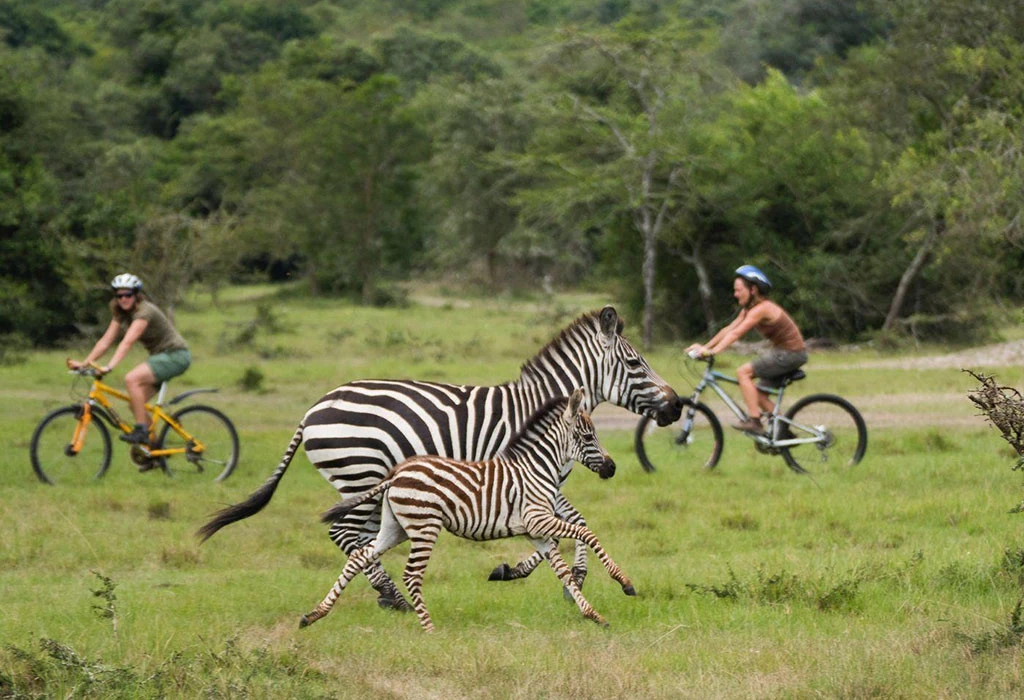
Many travelers overlook Lake Mburo National Park because it lacks the household name recognition of Murchison Falls or Queen Elizabeth. That is a mistake. This compact gem rewards visitors with zebra herds grazing beside acacia trees, boat cruises past basking hippos, and walking safaris that bring you closer to wildlife than almost anywhere else in Uganda. It is a park built for slow, immersive discovery.
At a glance, here is why so many itineraries now build in a Lake Mburo stop:
- Closest park to Kampala, roughly a three and a half hour drive, so it fits easily into short trips
- Only park in Uganda with impalas, giving it a wildlife checklist advantage over larger reserves
- Home to over 315 bird species, a huge count for such a small protected area
- One of the few parks permitting walking and horseback safaris, since it has no resident elephants
- A natural stopover on the way to gorilla trekking in Bwindi Impenetrable Forest
Where Is Lake Mburo National Park Located
Lake Mburo National Park sits in Nyabushozi County within Kiruhura District, in Uganda’s Western Region. The park spans an altitude range of roughly 1,220 to 1,828 meters above sea level, giving it a pleasant, moderate climate throughout the year. Its position directly along the Kampala to Mbarara highway makes it uniquely convenient among Uganda’s protected areas.
Because it lies so close to the main western corridor, Lake Mburo National Park is often combined with safaris to Bwindi Impenetrable Forest for gorilla trekking, or with trips heading toward the crater lakes of Fort Portal. Travelers rarely need a dedicated multi day detour to include it, which is exactly why it works so well as a first or last stop on a longer Ugandan itinerary.
Why Lake Mburo National Park Is Called Uganda’s Compact Gem
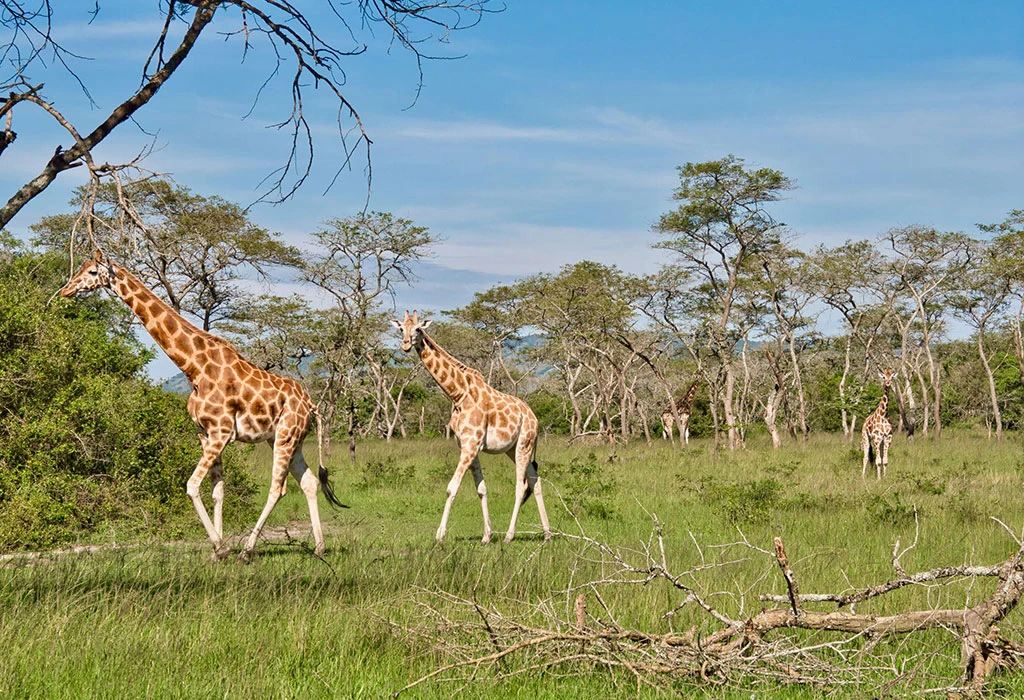
Despite covering only 370 square kilometers, Lake Mburo National Park is remarkably rich in biodiversity, scenery, and cultural heritage. Wetlands make up about 20 percent of the park’s surface area, forming part of a 50 kilometer long wetland system fed by swamps and five lakes within the park boundaries. This dense concentration of water features supports wildlife and bird diversity rarely matched by parks of similar size.
The park’s mosaic of habitats, including woodlands, open savanna, papyrus swamp, rocky ridges, and lakeshore, creates a layered landscape that shifts dramatically within short driving distances. Visitors can move from dry acacia grassland to lush riparian woodland to open water in the space of an hour. This variety is a major reason experienced safari guides consistently rate Lake Mburo National Park as an underrated highlight of any Uganda itinerary.
A Park With a Resilient Conservation History
Lake Mburo’s story is one of resilience rather than an easy, untouched wilderness. The park’s wildlife populations were nearly wiped out on several occasions throughout the twentieth century. Campaigns to eliminate tsetse flies, large scale conversion of surrounding land into cattle ranches, and persistent subsistence poaching all placed enormous pressure on the ecosystem and pushed several species toward local extinction within the region.
Sustained conservation efforts eventually reversed this decline and restored healthy wildlife populations across the park. Today, roughly 20 percent of park entrance fees are reinvested directly into neighboring communities, funding schools, health clinics, and local infrastructure projects. This model of shared benefit has helped turn former poachers and ranchers into stakeholders in the park’s long term survival and success.
Understanding this history adds real depth to a visit. When you spot a zebra grazing calmly near the tourist track, you are witnessing the outcome of decades of deliberate conservation work, community negotiation, and patient ecological recovery. Lake Mburo National Park is not simply a pretty backdrop for photographs, it is a living demonstration of how conservation and community development can genuinely reinforce one another over time.
Lake Mburo Wildlife: What Animals Will You See
Lake Mburo’s combination of woodland, savanna, lakeshore, and rocky outcrop creates habitat for species that are difficult or impossible to find in Uganda’s larger northern parks. Because the park has no elephants, its woodlands have been allowed to mature and thrive undisturbed, giving the vegetation a denser, more textured character than the more heavily grazed savannas found elsewhere in the country.
Quick summary of the park’s headline species and where they are usually spotted:
- Zebras, grazing openly across the central and eastern savanna, best photographed at sunrise or sunset
- Impalas, Uganda’s only population, active in the mornings across the grassland edges
- Elands, Africa’s largest antelope, spotted along woodland fringes but easily startled
- Buffaloes and Defassa waterbucks, usually resting near water sources during the heat of the day
- Hippos and Nile crocodiles, best seen from the lake itself during a boat safari
- Leopards and hyenas, rare, mostly nocturnal, found in the denser woodland areas
Zebras
Lake Mburo is widely regarded as one of the best places in Uganda to see zebras in large numbers. Herds of these striking, striped grazers move freely across the open grassland, often mixing with other plains species. For photographers, the sight of zebra silhouettes against the acacia studded horizon at sunrise or sunset is one of the defining images of a Lake Mburo safari.
Impalas
Lake Mburo holds Uganda’s only population of impalas, making it the single destination in the country where this graceful antelope can reliably be observed. Their presence alone makes the park a must visit stop for serious wildlife checklists. Impalas are commonly seen in small herds throughout the savanna zones, particularly in the mornings when they are most active and easiest to photograph.
Elands
The eland, Africa’s largest antelope species, is frequently spotted within Lake Mburo’s grasslands and woodland edges. These massive, spiral horned animals can weigh several hundred kilograms yet remain surprisingly alert and quick to move when approached. Sightings are considered a real highlight by experienced safari guides, since elands tend to be shy and are far less commonly seen in Uganda’s other national parks.
Buffaloes, Waterbucks, and Reedbucks
Cape buffaloes roam the open savanna in scattered herds, often resting near water sources during the heat of the day. Defassa waterbucks, easily recognized by the distinctive white ring on their rumps, graze along the grassy fringes close to the lakeshore. Reedbucks, smaller and more secretive, tend to favor the taller grass areas, rewarding patient and observant visitors on both game drives and guided walks.
Hippos and Crocodiles
The five lakes within the park, especially Lake Mburo itself, are home to substantial populations of hippos and Nile crocodiles. A boat safari on the lake offers the best vantage point for observing these species up close, as hippo pods surface and submerge along the shallows while crocodiles bask motionless on the muddy banks. Sunset boat cruises are particularly popular for this reason.
Leopards, Hyenas, and Other Predators
Leopards and spotted hyenas inhabit the woodland areas of Lake Mburo, though sightings remain relatively rare given the dense vegetation and their naturally elusive, mostly nocturnal behavior. Their presence adds an element of quiet excitement to game drives and night drives, even without a guaranteed sighting. Experienced guides know the areas where fresh tracks and signs are most likely to appear.
Other Notable Species
Bushpigs, warthogs, and topis round out Lake Mburo’s diverse mammal population, adding further variety to an already impressive checklist for such a compact park. Together with the species mentioned above, these animals make Lake Mburo one of the most rewarding parks in Uganda for travelers who want a genuinely varied wildlife experience without the crowds found in larger, more famous reserves.
Lake Mburo’s Landscape and Habitats
Unlike Uganda’s other savanna parks, Lake Mburo has no resident elephant population, which has allowed its woodlands to grow dense and largely untouched over the decades. The result is a richer, more layered vegetation structure than visitors typically expect from a savanna park, with thick acacia stands, forested gorges, and rocky ridges breaking up the open grassland in the western section of the park.
Riparian woodlands line the shores of the park’s lakes and rivers, creating shaded, cooler microhabitats that attract different wildlife than the open plains. These lush corridors are particularly good for spotting smaller mammals and a wide range of birdlife, since the combination of water, shade, and dense cover draws species that avoid the exposed heat of the central savanna during the middle of the day.
Patches of papyrus swamp add yet another layer to the park’s habitat mosaic, providing a specialized environment for wetland dependent species that cannot survive elsewhere in the park. This blend of savanna, woodland, rocky outcrop, and swamp gives Lake Mburo an unusually varied backdrop for photography, and it explains why the park supports such a disproportionately high number of species relative to its modest size.
Lake Mburo Birdwatching: A Paradise for Birders
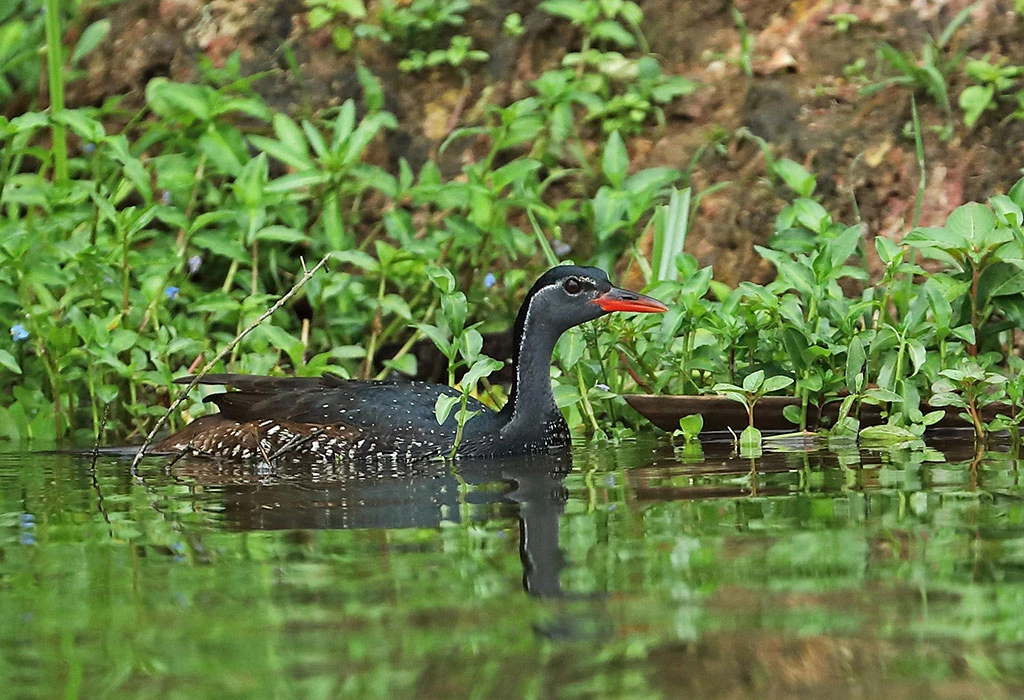
Lake Mburo National Park is home to over 315 recorded bird species, placing it firmly among Uganda’s premier birdwatching destinations despite its small footprint. The park is particularly renowned for its acacia associated bird community, a group of species that specifically favor the open acacia woodland habitat found throughout much of the park’s central and eastern sections.
Some of the finest birding areas are found around Rwonyo, the park’s headquarters, where the mix of woodland, grassland, and lakeshore habitat concentrates a remarkable diversity of species within a relatively small area. Birders visiting Lake Mburo often combine a boat safari with a walking safari specifically to maximize the range of habitats covered, and therefore the number of species observed, within a single day.
Notable species recorded in the park include the mosque swallow, black bellied bustard, bare faced go away bird, Rüppell’s starling, southern ground hornbill, and black throated barbet. Serious birders traveling with a specialist guide can realistically expect to tick off a substantial list within just a couple of days, making Lake Mburo an efficient and rewarding stop for anyone building a dedicated Uganda birding itinerary.
Beyond these headline species, the wetland system supports numerous water associated birds, while the papyrus swamps shelter specialized species that are difficult to find elsewhere in the country. Combined with its acacia woodland specialists, this range of habitats means Lake Mburo consistently punches above its weight for a park of its size, and it remains a favorite stop for both casual and dedicated birding travelers alike.
Top Safari Activities in Lake Mburo National Park
Game Drives
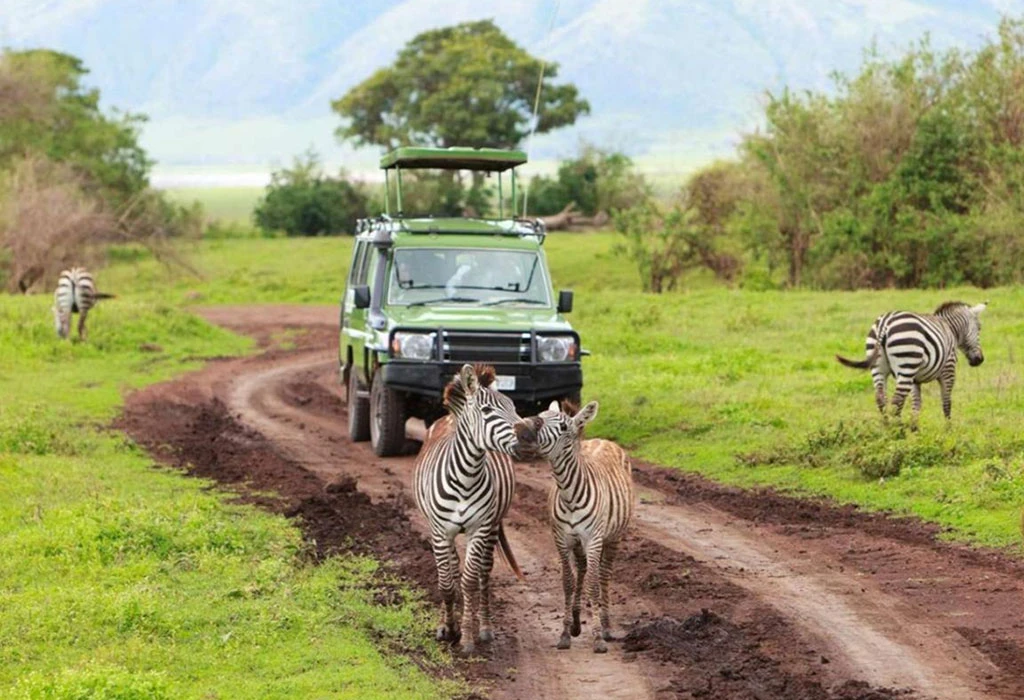
Traditional vehicle based game drives remain the classic way to explore Lake Mburo’s open savanna and woodland tracks. Because the park’s road network is compact, game drives here tend to be efficient, with frequent wildlife sightings packed into a shorter driving time than larger parks require. Early morning and late afternoon drives typically offer the best light and the most active wildlife.
Boat Safaris on Lake Mburo
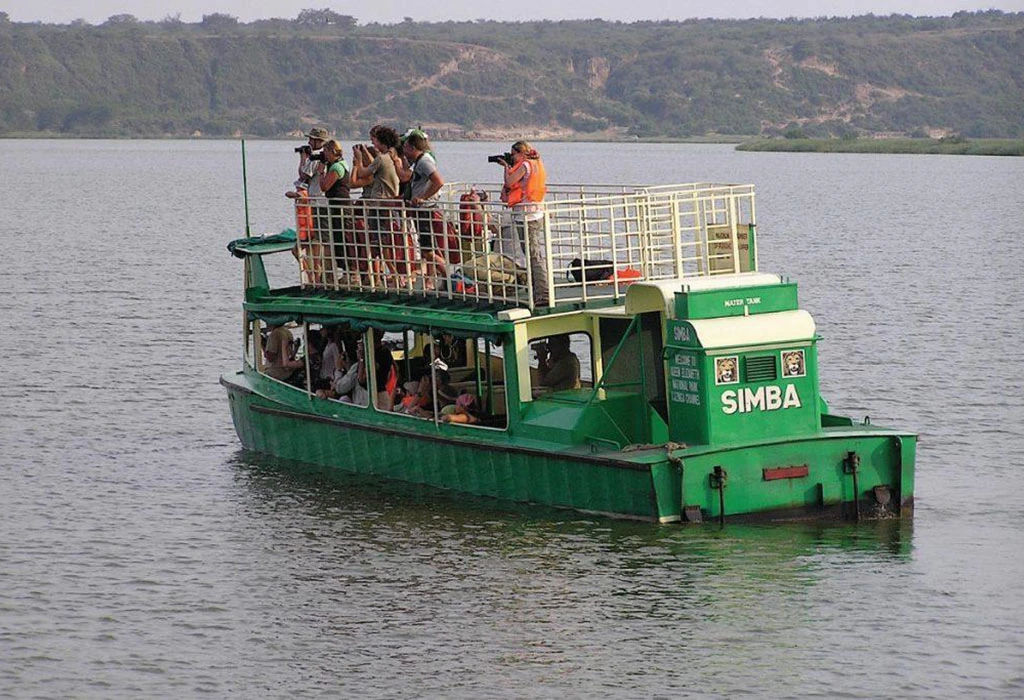
A boat cruise on Lake Mburo is arguably the signature activity of the park, offering close encounters with hippo pods, basking crocodiles, and a wide array of water birds along the shoreline. Sunset cruises are especially popular, combining excellent wildlife viewing with dramatic golden light over the water, making this activity a highlight for photographers and casual visitors alike.
Guided Walking Safaris
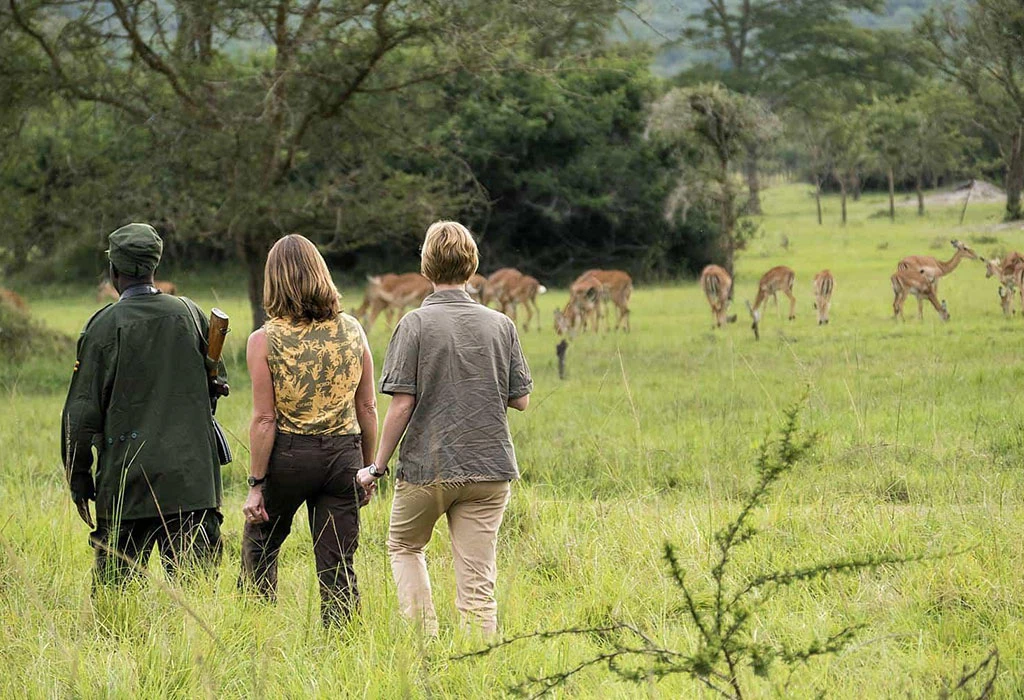
Lake Mburo is one of the few Ugandan parks where walking safaris are permitted, largely because it lacks dangerous megafauna such as elephants. Accompanied by an armed ranger guide, walking safaris allow visitors to approach zebras, impalas, and antelope on foot, offering a completely different sensory experience compared to viewing wildlife from within a vehicle.
Horseback Safaris and Nature Walks
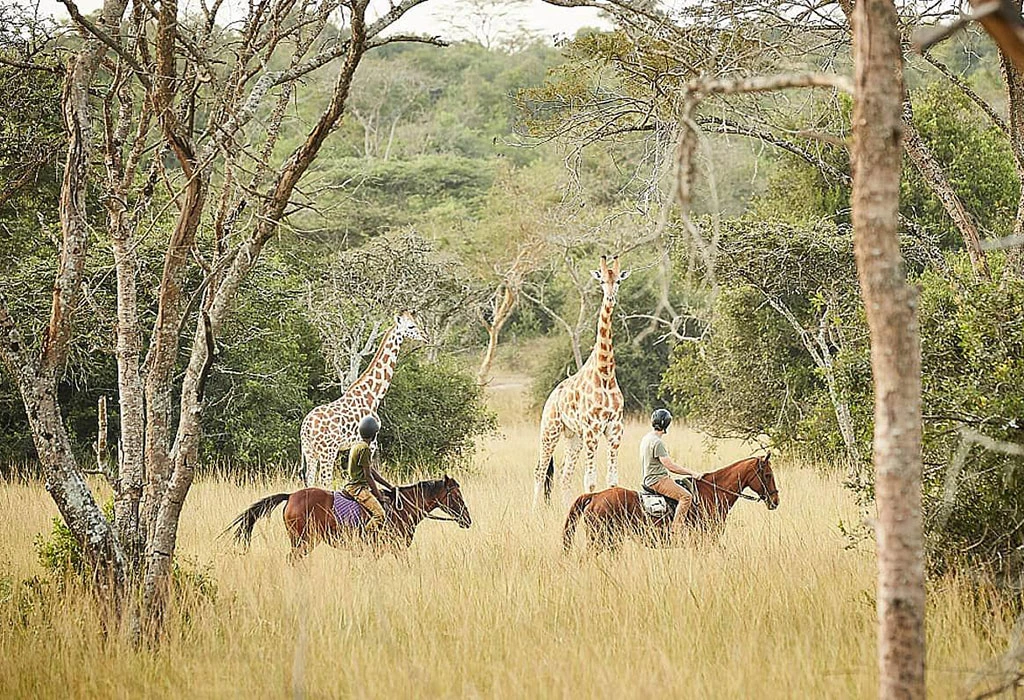
The surrounding ranchland and park fringes are well suited to horseback safaris, a distinctive activity that lets riders move quietly among grazing zebra and antelope herds without disturbing them. This is a memorable option for travelers seeking something beyond the standard vehicle based game drive, and it is best arranged in advance through Iconic Africa Safaris, who know the terrain well.
Cultural Encounters
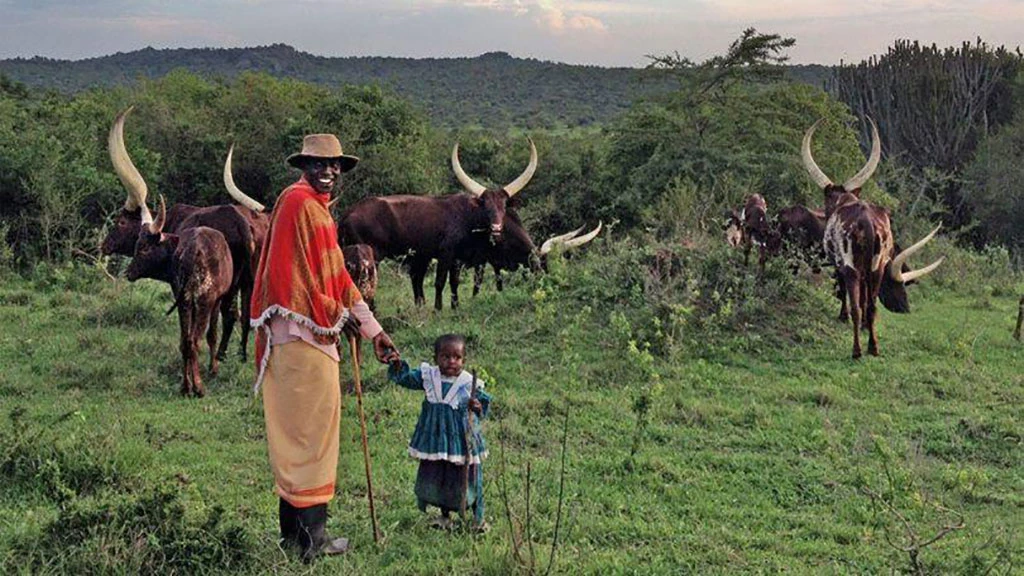
Communities living around Lake Mburo, including local Bahima cattle keepers, offer cultural visits that provide insight into traditional pastoral life in this part of Uganda. These encounters typically include demonstrations of traditional long horned cattle herding practices, local cuisine, and craft making, adding meaningful cultural depth to what would otherwise be a purely wildlife focused itinerary.
Quick overview of Lake Mburo’s main activities and who each one suits best:
- Game drives, best for travelers who want efficient, high yield wildlife sightings in limited time
- Boat safaris, ideal for close hippo and crocodile views plus relaxed sunset photography
- Walking safaris, suited to travelers wanting an immersive, on foot wildlife experience
- Horseback safaris, a distinctive option for confident riders wanting to move quietly among herds
- Cultural visits, best for travelers who want context on the region’s people alongside its wildlife
For a full look at how Lake Mburo activities compare with other Uganda destinations, see the Uganda Safaris collection or the 7-Day Uganda Gorillas, Chimps & Game Safari itinerary, which combines savanna wildlife with primate trekking, all arranged through Iconic Africa Safaris.
Best Time to Visit Lake Mburo National Park
Thanks to its moderate altitude and relatively stable climate, Lake Mburo can be visited comfortably throughout the year, making it a flexible addition to almost any Uganda itinerary. That said, the dry seasons, roughly from June to September and again from December to February, generally offer the best overall wildlife viewing conditions and the easiest road access throughout the park.
During the dry months, vegetation thins out and animals concentrate more predictably around remaining water sources, which tends to improve visibility for both game drives and walking safaris. The wetter months bring lush green scenery and excellent conditions for birdwatching, since migratory species pass through and resident birds display more actively, though occasional rain showers can affect road conditions and outdoor activities.
Lake Mburo National Park Entry Fees and Practical Information
Current published park entry fees for Lake Mburo are set by category of visitor, with separate rates for foreign non residents, foreign residents, and East African citizens. These fees, along with charges for specific activities such as boat cruises and guided walks, are periodically reviewed by the Uganda Wildlife Authority, so it is wise to confirm current rates directly before traveling.
Lake Mburo National Park Entrance Fees Comparison Table
| Visitor Category | Entry Fee | Notes |
|---|---|---|
| Foreign Non Resident (FNR) | USD 40 | Standard daily park entry rate for international visitors |
| Foreign Resident (FR) | USD 30 | Applies to foreigners holding Ugandan residency status |
| East African Citizen | UGX 20,000 | Applies to citizens of East African Community member states |
- Boat cruises, guided walking safaris, and horseback rides are charged separately from the base entry fee
- Rates are reviewed periodically by the Uganda Wildlife Authority, so always confirm current pricing before booking
- Children and student groups may qualify for reduced rates depending on current park policy
The park covers 370 square kilometers and sits at an altitude ranging from 1,220 to 1,828 meters above sea level. As noted earlier, a portion of entrance fee revenue is channeled back into community development projects around the park, meaning every visitor entry ticket contributes directly to the ongoing conservation and welfare of the surrounding local population.
Insider Tip: Entry fees are usually charged per 24 hour period rather than per calendar day, so timing your entry late in the afternoon can sometimes stretch your park access across two mornings for the price of one full day, giving you extra game viewing time without an additional entry charge.
How to Get to Lake Mburo National Park
By Road
Lake Mburo is the closest of all Uganda’s national parks to the capital, situated conveniently between Kampala and Mbarara City. The journey by road covers approximately 228 kilometers and typically takes around three and a half hours, making it one of the most accessible parks for a self drive trip or a guided road transfer from Kampala or Entebbe.
Travelers coming from Kampala can reach the park through two main entry points. A left branch off the main highway leads to Nshara Gate after about 5 kilometers, while continuing on to Sanga Trading Center brings visitors to Sanga Gate after roughly 13 kilometers. Both gates sit only about 2 kilometers from the park headquarters at Rwonyo, keeping onward travel within the park brief.
By Air
Although there are no direct flights into Lake Mburo itself, travelers with limited time can charter a flight from Entebbe International Airport or Kajjansi Airstrip to Mbarara airstrip using one of Uganda’s domestic carriers, such as Aerolink Uganda. The flight takes approximately one and a half hours, after which a short road transfer completes the journey to the park.
Insider Tip: If your trip also includes gorilla trekking, ask Iconic Africa Safaris to combine the Mbarara charter flight with a road transfer onward to Bwindi rather than backtracking through Kampala, since this routing can save several hours compared to a purely road based itinerary.
- Entebbe International Airport, Uganda’s main international gateway, roughly 40 kilometers from Kampala
- Kajjansi Airstrip, a smaller domestic airstrip near Kampala used for regional charter flights
- Mbarara Airstrip, the closest landing point to Lake Mburo, followed by a short road transfer to the park
Where to Stay Near Lake Mburo National Park
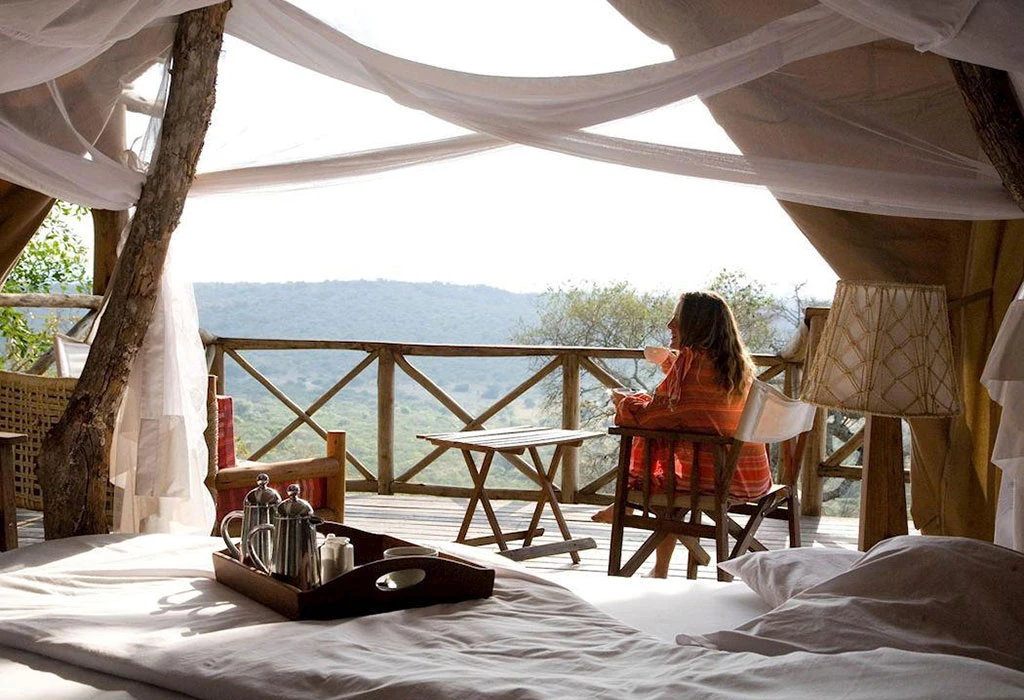
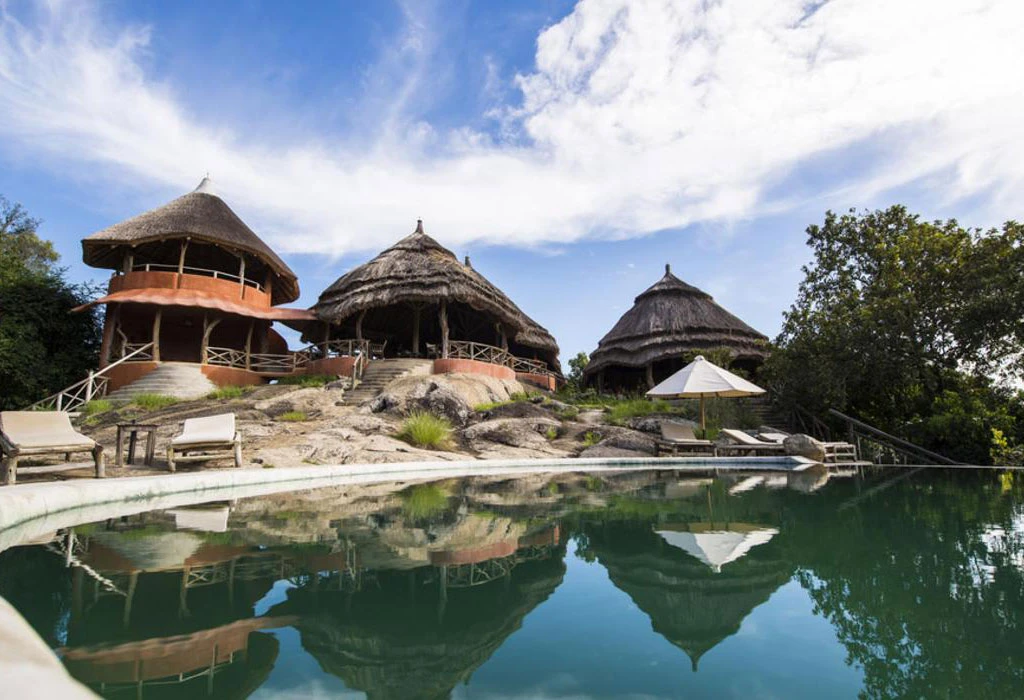
Accommodation options around Lake Mburo range from comfortable luxury lodges perched on rocky outcrops with sweeping views over the savanna, to mid range tented camps that balance comfort with an authentic bush atmosphere, down to budget friendly guesthouses and campsites suited to travelers on tighter itineraries. This range makes the park accessible to virtually every type of traveler and budget.
Many lodges are positioned close to the lakeshore or overlooking the surrounding grassland, allowing guests to watch zebras, antelope, or waterbirds without even leaving the property. Because the park is relatively compact, most accommodation options remain within easy reach of the main gates, game drive circuits, and boat launch points, keeping daily transfer times short and maximizing the time available for actual wildlife viewing.
Sample Lake Mburo Safari Itinerary
A well balanced Lake Mburo itinerary typically spans two to three days, allowing time for a game drive, a boat safari, and a guided walk without feeling rushed. Many travelers arrive from Kampala in the morning, settle into their lodge around midday, then head out for an afternoon game drive followed by a relaxed sundowner boat cruise on the lake to close out the first day.
The following morning is often reserved for an early guided walking safari, taking advantage of cooler temperatures and heightened animal activity at dawn. Birders may extend their stay by an extra day to explore the Rwonyo area more thoroughly, while travelers heading onward to Bwindi or Queen Elizabeth National Park can easily combine Lake Mburo as a scenic stopover along the western safari circuit.
Combining Lake Mburo With Other Uganda Safari Parks
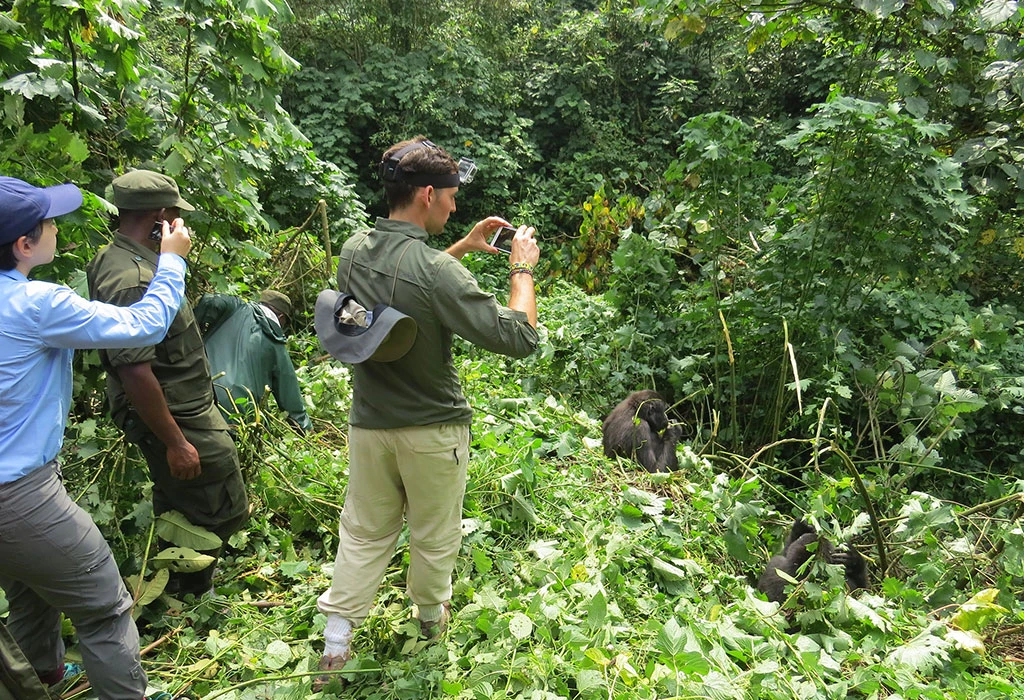
One of the greatest practical advantages of Lake Mburo is how naturally it fits into a longer Uganda itinerary. Because it sits directly along the highway connecting Kampala to the western safari circuit, travelers heading toward Bwindi Impenetrable Forest for gorilla trekking or toward Queen Elizabeth National Park for classic savanna game viewing can stop at Lake Mburo without adding a significant detour.
This makes Lake Mburo an ideal breaking point on a long road transfer, turning what would otherwise be a tiring drive into a rewarding two part journey. Iconic Africa Safaris often builds a night or two at Lake Mburo into itineraries heading toward the southwest, such as the 7-Day Uganda Gorillas, Chimps & Game Safari or the longer 10-Day Uganda Gorillas & Game Safari, both of which pair Lake Mburo’s wildlife with mountain gorilla trekking further south.
Travelers with more limited time sometimes choose Lake Mburo as a standalone weekend escape from Kampala, since the short three and a half hour drive makes a return trip entirely feasible within a few days. This flexibility, rare among Uganda’s national parks, is a major reason Lake Mburo appears so frequently in itineraries built around both short getaways and extended multi park safaris with Iconic Africa Safaris.
Ways Lake Mburo commonly gets combined with the rest of a Uganda itinerary:
- Kampala to Bwindi route, with Lake Mburo as an overnight stop before continuing to gorilla trekking
- Standalone weekend safari, driving from Kampala and returning within two to three days
- Extension after a Rwanda gorilla trek, entering Uganda through the southwest border region
- Combined with Kibale Forest, pairing savanna wildlife with chimpanzee tracking in the same trip
Photography Tips for a Lake Mburo Safari
Lake Mburo rewards photographers with dramatic light conditions, particularly during the early morning and late afternoon hours when the sun sits low over the acacia dotted savanna. Zebra herds photographed against this golden light, with dust kicked up from grazing or movement, consistently produce some of the most memorable images from any Uganda safari, savanna park or otherwise.
Boat safaris present a different photographic opportunity, with hippos surfacing at close range and water birds perched along the shoreline offering excellent close up compositions. A telephoto lens is useful for capturing shy species such as elands or leopards from a respectful distance, while a wider lens works well for capturing the sweeping, layered landscapes of woodland, savanna, and lake that define the park’s scenery.
What to Pack for Your Lake Mburo Safari
Neutral colored clothing in khaki, olive, or brown tones works best for game drives and walking safaris, helping visitors blend into the surrounding vegetation while remaining comfortable in the warm daytime temperatures. Sturdy, closed toe walking shoes are essential for guided walks, since the terrain includes uneven ground, loose rocks, and occasional thorny scrub along the woodland trails.
A good pair of binoculars is particularly valuable at Lake Mburo given the exceptional birdwatching opportunities, allowing visitors to appreciate species detail that would otherwise be missed from a distance. Sun protection, including a hat, sunscreen, and sunglasses, is important throughout the year, while a light rain jacket is worth packing during the wetter months to stay comfortable during unexpected showers.
Packing checklist at a glance:
- Neutral colored clothing, khaki, olive, or brown, for game drives and walking safaris
- Closed toe walking shoes, sturdy enough for uneven, rocky, or thorny terrain
- Binoculars, essential given the park’s exceptional birdwatching reputation
- Hat, sunscreen, and sunglasses, for consistent sun exposure throughout the year
- Light rain jacket, useful during the wetter March to May and October to November periods
- Camera with a telephoto lens, for distant sightings of shy species such as elands or leopards
Responsible Tourism and Conservation at Lake Mburo
Every visit to Lake Mburo National Park contributes directly to its ongoing conservation success. With roughly 20 percent of entrance fees reinvested into surrounding communities, tourism revenue funds schools, health clinics, and infrastructure projects that give local residents a direct stake in protecting the park’s wildlife rather than viewing it as a competing land use pressure.
Visitors can support this model further by choosing licensed guides, respecting park rules around wildlife distance, and favoring lodges and camps that actively employ local staff and source supplies from nearby communities. This approach helps ensure that Lake Mburo’s remarkable recovery from decades of habitat pressure and poaching continues to strengthen rather than reverse in the years ahead.
Fishing and Nature Walks Around Lake Mburo
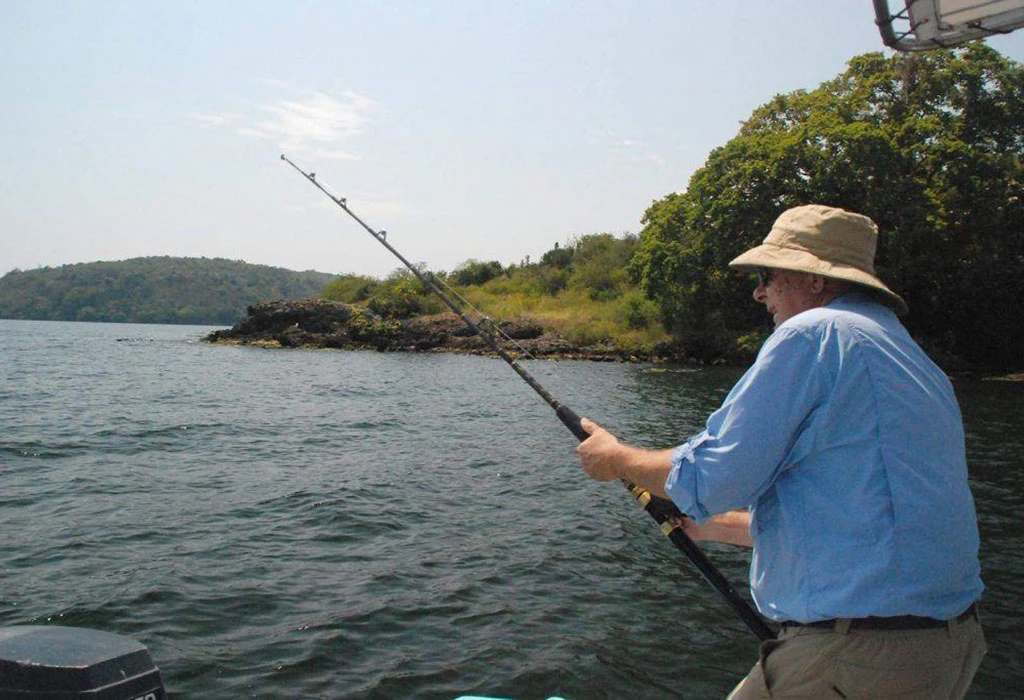
Beyond the core safari activities, Lake Mburo also offers opportunities for recreational fishing on designated sections of the lake, a relaxed alternative for travelers looking to slow down between game drives. Nature walks around the park headquarters at Rwonyo provide an easy, low intensity way to explore the immediate surroundings, especially for families traveling with children or less mobile visitors.
These gentler activities complement the more active pursuits like walking safaris and horseback riding, giving Lake Mburo a well rounded appeal for travelers of different fitness levels and interests. Whether you want an adrenaline filled multi activity day or a slower, more contemplative safari experience, the park’s compact size makes it easy to combine several activities without feeling rushed or overscheduled.
Lake Mburo Compared to Uganda’s Other National Parks
While parks like Murchison Falls and Queen Elizabeth are famous for their vast scale and abundance of large mammals including elephants and lions, Lake Mburo carves out its own niche through intimacy and accessibility. Its smaller size means shorter driving distances between sightings, while the absence of elephants has allowed woodland habitats to flourish in a way not seen in Uganda’s larger parks.
Where Lake Mburo truly separates itself is through activities restricted elsewhere for safety reasons, particularly guided walking safaris and horseback riding among free roaming wildlife. Combined with its status as the only place in Uganda to reliably see impalas, and its position as one of the best regional destinations for zebra sightings, Lake Mburo offers a genuinely distinct safari experience within the country.
Weather and Climate at Lake Mburo Throughout the Year
Lake Mburo National Park enjoys a relatively mild climate compared to some of Uganda’s hotter lowland parks, thanks largely to its moderate altitude range of 1,220 to 1,828 meters above sea level. Daytime temperatures typically sit comfortably between the low twenties and low thirties Celsius, while evenings can turn noticeably cooler, particularly around the lakeshore and during the drier months of the year.
Rainfall generally peaks during two wetter periods, roughly March to May and October to November, bringing lush green scenery, blooming vegetation, and strong conditions for birdwatching as migratory species pass through the region. Outside these windows, the drier months offer easier road access, more predictable wildlife movement patterns, and generally more comfortable conditions for extended walking safaris and horseback excursions.
Getting Around Inside Lake Mburo National Park
Once inside the park, a network of well maintained tracks connects the main gates, the Rwonyo headquarters, the boat launch point, and the principal game viewing circuits. Because Lake Mburo National Park covers such a compact area, travel times between key sites remain short, allowing visitors to pack a game drive, a boat cruise, and a guided walk into a single well paced day without excessive driving.
Most visitors explore using a four wheel drive vehicle arranged either through Iconic Africa Safaris or a self drive rental, though the park’s relatively gentle terrain means a sturdy standard vehicle can often manage the main tracks during the dry season. Boat safaris depart from a designated jetty near Rwonyo, while walking safaris and horseback rides typically begin from fixed starting points near the park headquarters.
The Bahima People and Cultural Heritage Around Lake Mburo
The communities surrounding Lake Mburo National Park are predominantly Bahima, a traditionally pastoral people renowned for herding the distinctive long horned Ankole cattle found throughout this part of southwestern Uganda. Cultural visits arranged near the park offer travelers a genuine window into this heritage, including demonstrations of milking, herding, and the traditional homestead structures still used by many local families today.
These cultural encounters add valuable context to a Lake Mburo National Park safari, connecting the surrounding human history to the park’s own story of conservation and recovery. Given that ranching pressure once threatened the park’s wildlife populations, learning directly from local Bahima communities about their evolving relationship with the land offers a richer, more complete understanding of how the region has changed over recent decades.
Sample Two Day and Three Day Lake Mburo Itineraries
A focused two day itinerary typically begins with an afternoon arrival from Kampala, followed by a late afternoon game drive to catch wildlife activity as temperatures cool. The following morning is reserved for a guided walking safari or horseback ride, with an afternoon boat cruise closing out the visit before travelers either return to Kampala or continue onward toward the western safari circuit.
Extending the visit to three days allows for a more relaxed pace, adding a full second game drive, additional birdwatching time around Rwonyo, and the option of a cultural visit to a nearby Bahima community. This extra day is particularly valuable for dedicated birders or photographers who want more flexibility to revisit productive areas at different times of day for improved lighting and sightings.
Booking Tips for a Smooth Lake Mburo Safari
Because Lake Mburo National Park is compact and popular as a stopover destination, booking accommodation and activities in advance is strongly recommended, particularly during the peak dry season months when demand for lodges and boat cruise slots increases significantly. Early booking also gives operators more flexibility to design an itinerary that fits smoothly alongside gorilla trekking permits or other time sensitive activities.
Working with an experienced local operator ensures accurate, up to date information on park fees, activity availability, and road conditions, all of which can shift from season to season. A knowledgeable operator can also help combine Lake Mburo National Park efficiently with other parks on Uganda’s western safari circuit, saving travelers both time and unnecessary backtracking across the country.
Frequently Asked Questions About Lake Mburo National Park
Is Lake Mburo National Park worth visiting?
Yes. Despite being Uganda’s smallest savanna park, Lake Mburo National Park offers exceptional wildlife diversity, including the country’s only impala population, large zebra herds, elands, hippos, crocodiles, and over 315 bird species, all within a landscape of savanna, woodland, and wetland that rewards even a short visit with rich and varied sightings.
How far is Lake Mburo National Park from Kampala?
Lake Mburo National Park lies approximately 228 kilometers from Kampala, roughly a three and a half hour drive along the highway toward Mbarara. This makes it the most accessible of all Uganda’s national parks, ideal for travelers with limited time or those combining a safari with onward travel toward Bwindi or the western safari circuit.
Can you walk in Lake Mburo National Park?
Yes. Lake Mburo is one of the few Ugandan parks where guided walking safaris are permitted, largely because it has no resident elephants. Accompanied by an armed ranger guide, visitors can approach zebras, antelope, and other wildlife on foot, offering a more intimate and immersive experience than a standard vehicle based game drive alone.
What animals can you see at Lake Mburo National Park?
Visitors can expect to see zebras, impalas, elands, Cape buffaloes, Defassa waterbucks, reedbucks, hippos, Nile crocodiles, warthogs, bushpigs, and topis, along with occasional leopard or hyena sightings in the woodland areas. The park’s five lakes and surrounding wetlands also support a rich variety of aquatic and water associated wildlife species.
What is the best time of year to visit Lake Mburo National Park?
Lake Mburo can be visited year round thanks to its moderate climate, though the dry seasons from June to September and December to February generally offer the clearest wildlife viewing and easiest road conditions. The wetter months bring lush scenery and excellent birdwatching, though occasional rain can affect outdoor activities and travel times.
How many days do you need at Lake Mburo National Park?
Two to three days is generally enough to experience Lake Mburo National Park fully, allowing time for a game drive, a boat safari, and a guided walk without feeling rushed. Travelers with tighter schedules can still enjoy a rewarding half day or overnight visit, since the park’s compact size concentrates excellent wildlife viewing within short distances.
Is Lake Mburo National Park safe for walking safaris?
Yes. Lake Mburo National Park is considered one of the safest Ugandan parks for walking safaris precisely because it has no resident elephants, which are the primary safety concern on foot in other reserves. Visitors are always accompanied by an experienced, armed ranger guide who maintains safe distances from buffaloes and other potentially unpredictable wildlife.
What makes Lake Mburo different from other Uganda safari parks?
Lake Mburo National Park stands out for its unmatched accessibility from Kampala, its status as the only Ugandan park with a resident impala population, and its allowance of walking and horseback safaris. Its compact mix of savanna, woodland, wetland, and lakeshore habitat also supports remarkable wildlife and bird diversity relative to its modest overall size.
Plan Your Lake Mburo Safari With Confidence
Lake Mburo National Park proves that size has little to do with the quality of a safari experience. Within a modest 370 square kilometers, travelers encounter zebra herds, Uganda’s only impalas, elands, hippos, crocodiles, and hundreds of bird species, all set against a shifting backdrop of savanna, woodland, and wetland scenery found nowhere else in the country.
Its unmatched accessibility from Kampala, combined with activities ranging from boat safaris to guided walks and horseback rides, makes Lake Mburo National Park one of the most efficient and rewarding parks to include in any Uganda itinerary. Whether paired with gorilla trekking in Bwindi or explored as a standalone weekend escape, Lake Mburo consistently delivers far more than its modest size initially suggests.
Ready to Book Your Lake Mburo National Park Safari with Iconic Africa Safaris?
Iconic Africa Safaris offers three simple, reliable ways to secure your next unforgettable Ugandan adventure today. Simply complete our quick online booking form to start planning your dream safari experience right away. Our friendly team also welcomes direct emails at info@iconicafricasafaris.com to discuss your specific travel plans and preferences. For instant assistance, tap the green WhatsApp icon in your screen’s bottom right corner anytime.