10-Day Uganda Gorillas & Game Safari
- Pickup : Entebbe Airport
- Drop-off : Entebbe Airport
Tour Overview
- Transportation (Car, Fuel, Driver Guide)
- Meals & Accommodation as mentioned
- Gorilla Trekking Permit
- Rhino Tracking Fees
- Chimpanzee Trekking Permit
- Boat Cruises
- Bottled Drinking Water
- Government Taxes
Cost Includes
- International Flights
- Accommodation Before and After your Trip
- Optional Batwa Cultural Experience
- Bigodi Sanctuary Nature Walk
- Sourvenirs
- Tips & Porter Hiring
Cost Excludes
Travel Plan
Day 1: Entebbe/Kampala to Murchison Falls National Park via Ziwa Rhino Sanctuary
Your driver-guide meets you at Entebbe International Airport, or picks you up from your hotel in Entebbe or Kampala, and gets you settled into a comfortable 4×4 Land Cruiser for the drive north. It’s about 320 km to Murchison Falls, roughly 6–7 hours on the road, so an early start keeps things relaxed. Two to three hours along the Kampala–Gulu Highway, you’ll break at Ziwa Rhino Sanctuary for a 1–2 hour walk tracking wild rhinos on foot — a great way to stretch your legs. From there it’s another 3 hours through Masindi on good tarmac, arriving at the park with plenty of time to unwind before dinner.
- Accommodation: Nile Safari Lodge (Luxury) | Tilenga Safari Lodge (Mid-Range) | Hornbill Bush Lodge (Budget)
- Meals: Half Board
Day 2: Morning Game Drive & Afternoon Boat Cruise, Murchison Falls
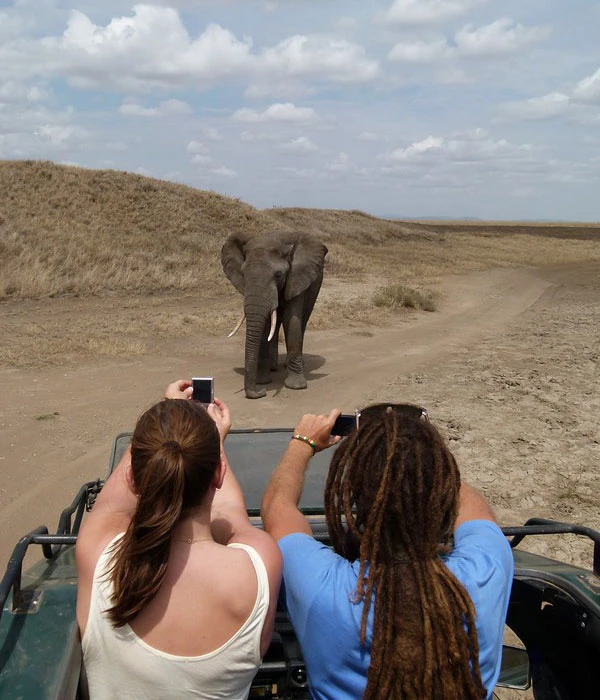
You will be up early for a 6:00am game drive across Murchison’s open savannah, watching for elephants, lions, and buffalo. On a good day spot a leopard and, counting yesterday’s rhinos, you’ll have effectively covered the Big Five. Giraffes, kob, impala, and waterbuck are plentiful across the plains too. In the afternoon, board a boat at the base of the falls and drift past lounging hippos, sunbathing crocodiles, and a wonderful variety of birdlife — kingfishers, African fish eagles, and, if you’re lucky, a shoebill along the banks.
- Accommodation: Nile Safari Lodge (Luxury) | Tilenga Safari Lodge (Mid-Range) | Hornbill Bush Lodge (Budget)
- Meals: Full Board
Day 3: Drive to Kibale Forest National Park
Setting off early through Masindi, you’ll head south around 400 km to Kibale, taking Highway A27 via Hoima and then the scenic Masindi–Fort Portal road. The 6–7-hour drive winds through green farmland, small trading villages, and tea estates. You’ll reach your lodge with time to spare — relax there, or use the afternoon to explore a nearby tea plantation or crater lake.
- Accommodation: Chimpundu Lodge (Luxury) | Turaco Treetops Lodge (Mid-Range) | Chimpanzee Forest Lodge (Budget)
- Meals: Full Board
Day 4: Chimpanzee Trekking & Optional Bigodi Nature Walk
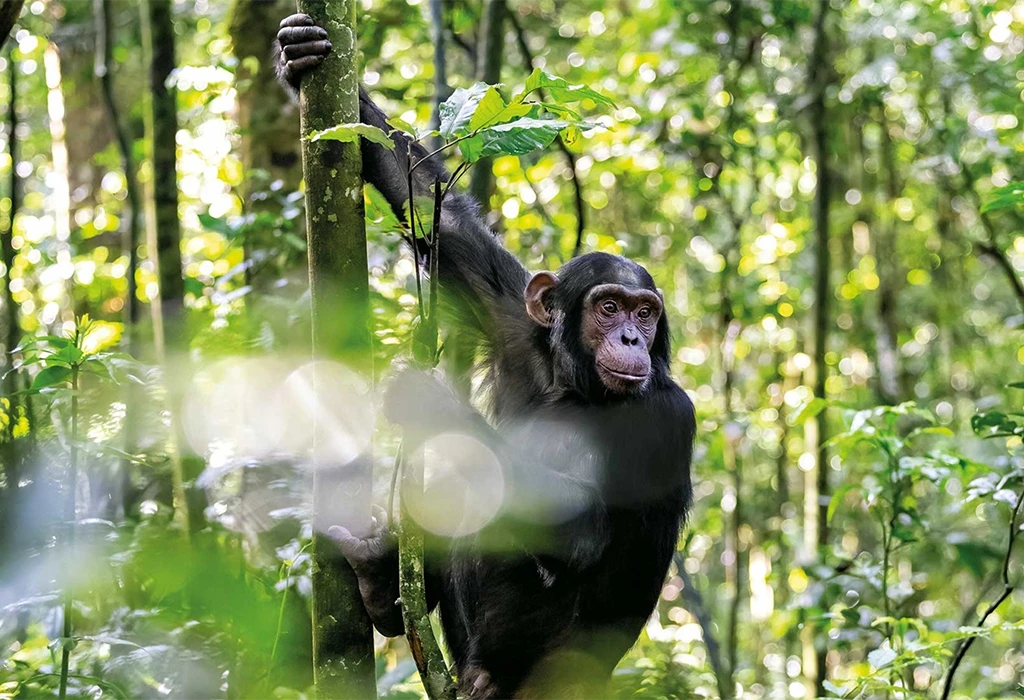
After an early breakfast (around 5:30–6:30am), you’ll drive to Kanyanchu Visitor Centre for the 7:30am trekking briefing, where groups are formed before heading into the forest at 8:00am with experienced rangers. Depending on the chimps’ movements, the trek can take anywhere from 1 to 4 hours. Once you find them, you’ll get a full hour watching them swing through the canopy, call to one another, groom, and play.
Back at the lodge for a relaxed lunch, then in the late afternoon you’ll head to Bigodi Wetland Sanctuary for a guided nature walk. Look out for red-tailed monkeys, black-and-white colobus, grey-cheeked mangabeys, and olive baboons, plus birds like the papyrus gonolek and great blue turaco.
Accommodation: Chimpundu Lodge (Luxury) | Turaco Treetops Lodge (Mid-Range) | Chimpanzee Forest Lodge (Budget)
Meals: Full Board
Day 5: Drive to Queen Elizabeth National Park
After breakfast, a 2–3-hour drive through Kasese town and past the Rwenzori foothills brings you to Queen Elizabeth National Park. Check in, have lunch, and rest before your first game drive in the Kasenyi Plains in the late afternoon — a good spot for elephants, buffalo, Uganda kob, lions, warthogs, and birds like the martial eagle and African skimmer. Leopards occasionally make an appearance too, draped over a branch or slipping through the grass.
- Accommodation: Mweya Safari Lodge (Luxury) | Buffalo Safari Lodge (Mid-Range) | Pumba Safari Lodge (Budget)
- Meals: Full Board
Day 6: Kasenyi Plains Game Drive & Kazinga Channel Boat Cruise
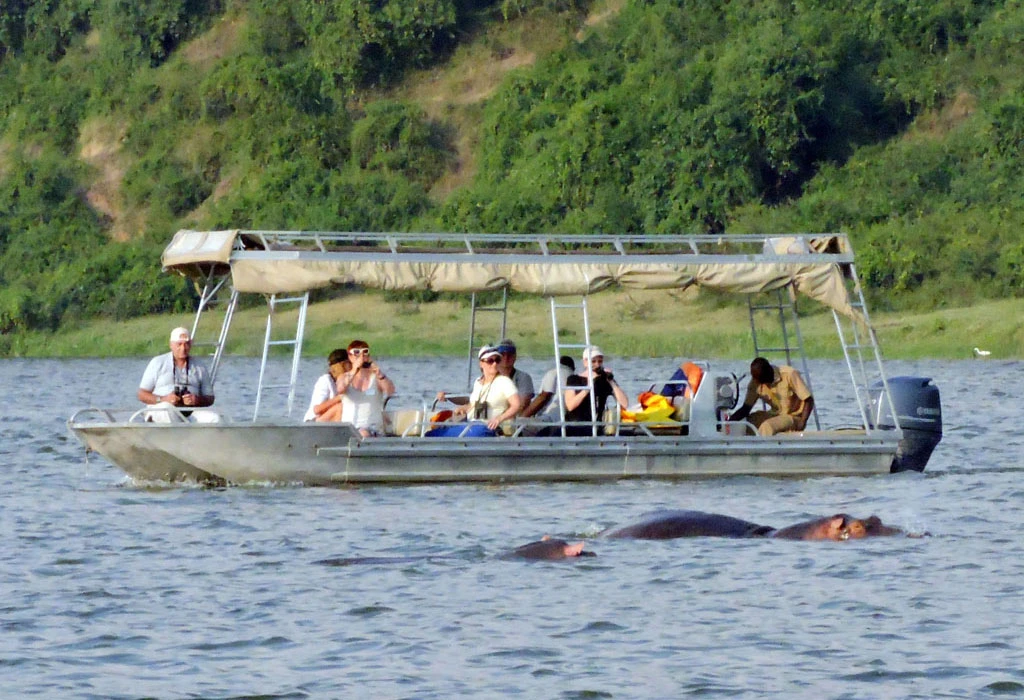
An early 6:00am game drive catches wildlife you may have missed the evening before, and animals tend to be most active at this hour. Return for lunch and a rest, then in the afternoon board a boat along the Kazinga Channel, connecting Lake George and Lake Edward and home to one of the highest hippo concentrations anywhere. Nile crocodiles bask along the banks, elephants and buffalo come down to drink, and pelicans, spoonbills, and kingfishers put on a show — keep your camera close.
- Accommodation: Mweya Safari Lodge (Luxury) | Buffalo Safari Lodge (Mid-Range) | Pumba Safari Lodge (Budget)
- Meals: Full Board
Day 7: Ishasha Game Drive & Transfer to Bwindi Impenetrable Forest
After breakfast and checkout, head to the Ishasha Sector, famous for its tree-climbing lions, which rest lazily in the branches of giant fig trees overlooking herds of kob and topi below — a sight found in very few places in Africa. From there, drive on to Bwindi Impenetrable Forest, stopping for lunch en route. Arrive in the late afternoon, check in, and spend a quiet evening ahead of the next day’s main event.
- Accommodation: Gorilla Safari Lodge (Luxury) | Ichumbi Gorilla Lodge (Mid-Range) | Gorilla Valley Lodge (Budget)
- Meals: Full Board
Day 8: Gorilla Trekking — The Highlight of the Safari
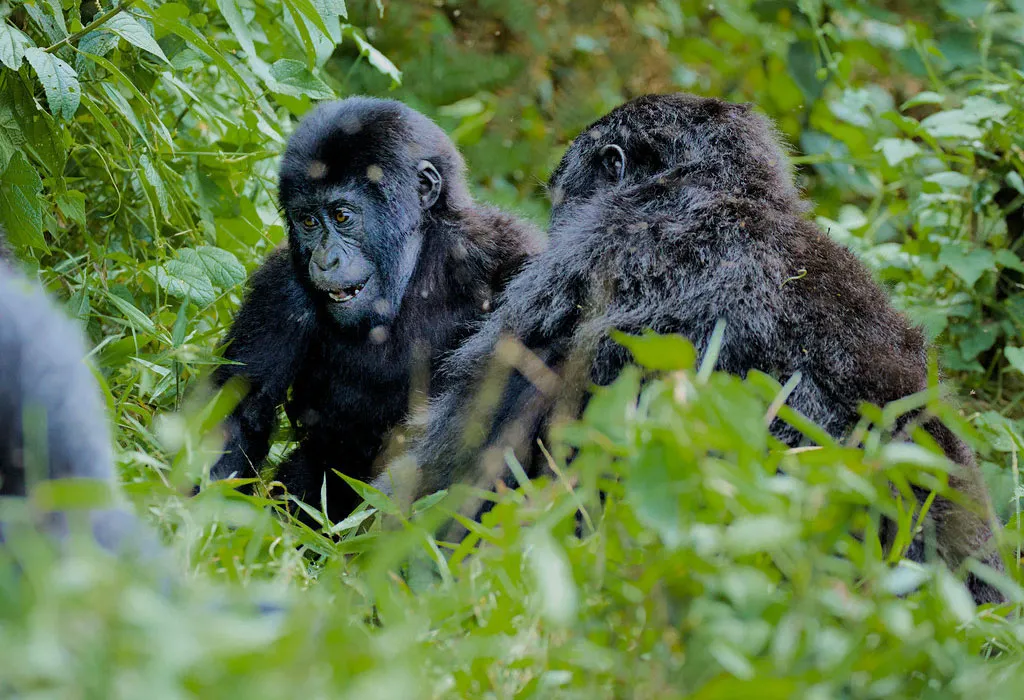
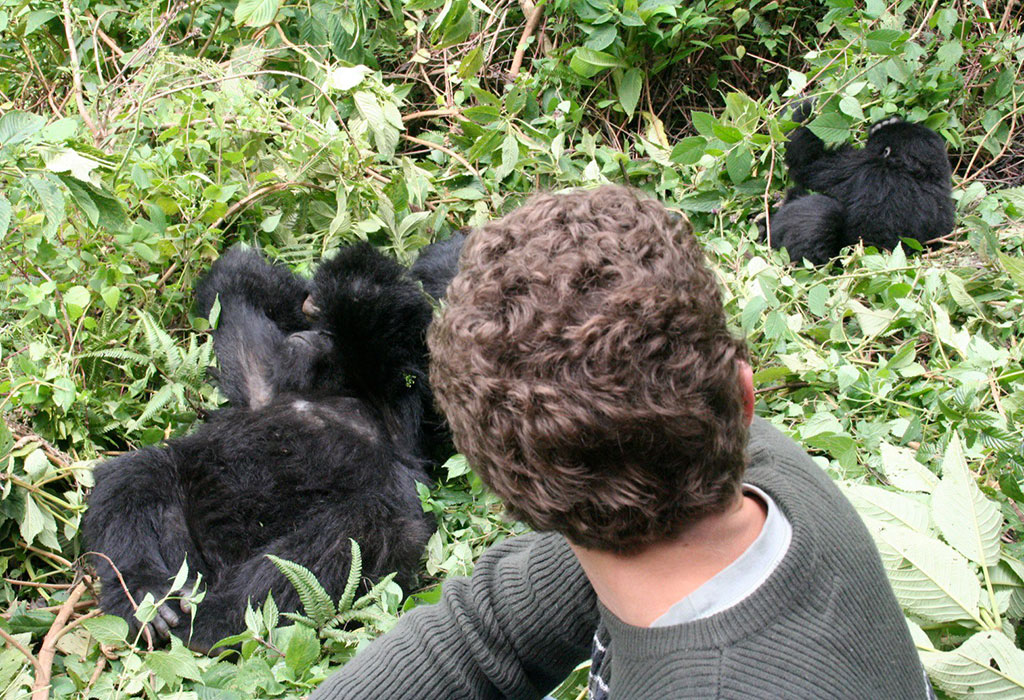
Wake between 5:30–6:00am, eat well, then head to park headquarters for the 7:30am briefing, where rangers cover the essentials: stay at least 10 metres away, skip the flash photography, keep your voice down, and never touch the gorillas. Groups are capped at 8 people, and hiring a porter ($15–$20) is well worth it for the steeper stretches. By 8:00am you’re in the forest with armed rangers, following radio updates from trackers ahead — the hike can take anywhere from 1 to 6 hours depending on where the family has wandered. Finding them brings an immediate hush: you get one full hour watching them feed, play, groom, and care for their young, with the occasional chest-beating display from the silverback. Afterward, collect your trekking certificate and head back for a well-earned lunch.
Accommodation: Gorilla Safari Lodge (Luxury) | Ichumbi Gorilla Lodge (Mid-Range) | Gorilla Valley Lodge (Budget)
Meals: Full Board
Day 9: Drive to Lake Mburo National Park
Leaving Bwindi at 7:00am, it’s roughly 230 km northeast through rolling hills and tea estates, with a stop at the equator for photos. The 6–7-hour drive brings you to Lake Mburo by afternoon. Once settled, join a late-afternoon nature walk through acacia woodland, spotting zebra, buffalo, giraffe, impala, topi, eland, and bushbuck, along with birds like the African finfoot and red-faced barbet.
- Accommodation: Mihingo Safari Lodge (Luxury) | Eagle’s Nest Lodge (Mid-Range) | Rwakobo Lodge (Budget)
- Meals: Full Board
Day 10: Final Game Drive & Transfer to Entebbe
One last early game drive at 6:00am picks up anything you missed, before your driver-guide collects you around 10:00am for the 5–6-hour drive back to Entebbe, timed for your evening flight or an overnight stay.
- Accommodation: None, available on request
- Meals: Half Board
Answered FAQs
How much does this safari cost, and can it be customized?
This is a fully private trip, so pricing depends on which lodge tier you choose and how many people are in your group — costs naturally drop per person as group size grows. Because there’s no fixed group to join, every element of this Uganda Gorillas & Game Safari can be adjusted: extra nights, different parks, upgraded lodges, or an add-on like white-water rafting in Jinja. Iconic Africa Safaris will send a detailed quote once we know your travel dates, group size, and comfort preferences, so you know exactly what’s included before booking.
How physically demanding is the trekking on this itinerary?
Both the Kibale chimp trek and the Bwindi gorilla trek involve uneven forest terrain — sometimes uphill, sometimes muddy — so reasonable fitness helps. Chimp trekking usually runs 2–5 hours; gorilla trekking is less predictable, from 30 minutes to 7 hours, depending on the family’s location that morning. Neither needs technical climbing skill, just comfort walking at a steady pace on slippery ground. Porters in Bwindi are inexpensive and genuinely useful, even for fit travelers, and also support local communities. Mention any mobility concerns in advance so your Uganda Gorillas & Game Safari can be paced accordingly.
Are gorilla and chimpanzee permits included in the price?
Yes — both permits are built into your quoted price for this Uganda Gorillas & Game Safari unless you specifically ask to arrange them separately. That figure already covers the Uganda Wildlife Authority gorilla permit, the chimp permit, plus accommodation, transport, and guided activities. Gorilla permits are limited daily and sell out early in peak season, so having Iconic Africa Safaris secure them on your behalf removes a lot of stress. If you’d rather book permits independently, just say so before booking.
When's the best time of year for this safari?
Uganda works year-round, but the two dry spells — June to September and December to February — offer the easiest trekking conditions, since trails are firmer and less slippery. That said, a wetter-season has its own advantages: fewer crowds at trekking sites, better lodge rates, discounted gorilla and chimp permits in April, May and November and strong wildlife viewing. Rainy months also bring lively birdlife, a bonus for the Bigodi Nature Walk. If your dates are flexible, aim for the dry months, but don’t rule out the rest of the year.
What should I pack for the treks and game drives?
Layers are key — forest mornings are cool, but temperatures climb fast. Bring sturdy, broken-in hiking boots with ankle support, facemask to prevent any infection to or from the primates, gardening gloves for gripping vegetation, and trousers tucked into socks to keep out biting ants. A lightweight rain jacket is essential in any season, since Uganda’s forests can produce sudden downpours. For game drives, pack neutral clothing, a hat, sunscreen, and binoculars. A zoom-lens camera pays off for the tree-climbing lions and primates. Round it out with insect repellent, a water bottle, a daypack, and some cash in shillings or dollars for tips.
Who is this itinerary suited for?
What's the difference between the budget, mid-range, and luxury lodges?
The gap between tiers is about comfort, location, and service level — not access to wildlife. All three tiers on this itinerary sit close to the same trekking trailheads and game-viewing areas, so a budget stay still puts you right where the action is. Luxury lodges like Mweya or Nile Safari Lodge add polished interiors, spa or pool facilities, and more attentive service. Mid-range options balance comfort and value well. Budget lodges are simpler but clean and comfortable, often with excellent local character and warm hospitality, making them a smart choice for cost-conscious travelers.
Is it safe to trek with wild chimpanzees and gorillas at close range?
Request A free Qoute