5-Day Uganda Gorilla Habituation and Chimp Trekking
- Pickup : Entebbe Airport
- Drop-off : Entebbe Airport
Tour Overview
- Transportation (Car, Fuel, Driver Guide)
- Meals & Accommodation as mentioned
- Gorilla Habituation Permit
- Chimpanzee Trekking Permit
- Sabyinyo Hike Fees
- Bottled Drinking Water
- Government Taxes
Cost Includes
- International Flights
- Accommodation Before and After your Trip
- Optional Batwa Cultural Experience
- Sourvenirs
- Tips & Porter Hiring
Cost Excludes
Travel Plan
Day 1: Entebbe Pickup and Drive to Bwindi Impenetrable National Park
Your Iconic Africa Safaris guide picks you up at Entebbe International Airport or your hotel, settles your luggage into a 4×4 Land Cruiser, and points the vehicle west toward Bwindi. It’s a long day on the road, roughly 450 kilometers and 9 to 10 hours, but the scenery does a lot of the entertaining. You’ll skirt the shores of Lake Victoria, roll through busy market towns and green farmland, then climb into Uganda’s dramatic southwestern highlands, a region often nicknamed the “Switzerland of Africa” for its folded hills and terraced slopes.
Two stops break up the drive nicely. About five hours in, you’ll cross the Equator at Kayabwe, where you can stand with one foot in each hemisphere and grab the obligatory photo. Later, lunch is at Igongo Cultural Centre in Mbarara, a good place to try traditional Ankole cooking and wander through a small museum dedicated to local history and culture.
Accommodation: Gorilla Leisure Lodge (Mid-Range) or Gorilla Safari Lodge (Luxury)
Meal Plan: Half-Board
Day 2: Gorilla Habituation Experience in Rushaga Sector
This is the day the most travelers are always counting to. Wake-up is early, 5:00 AM, and after a quick breakfast you’re at the park headquarters by 6:00 AM for a briefing on the rules and safety practices that keep both you and the gorillas safe.
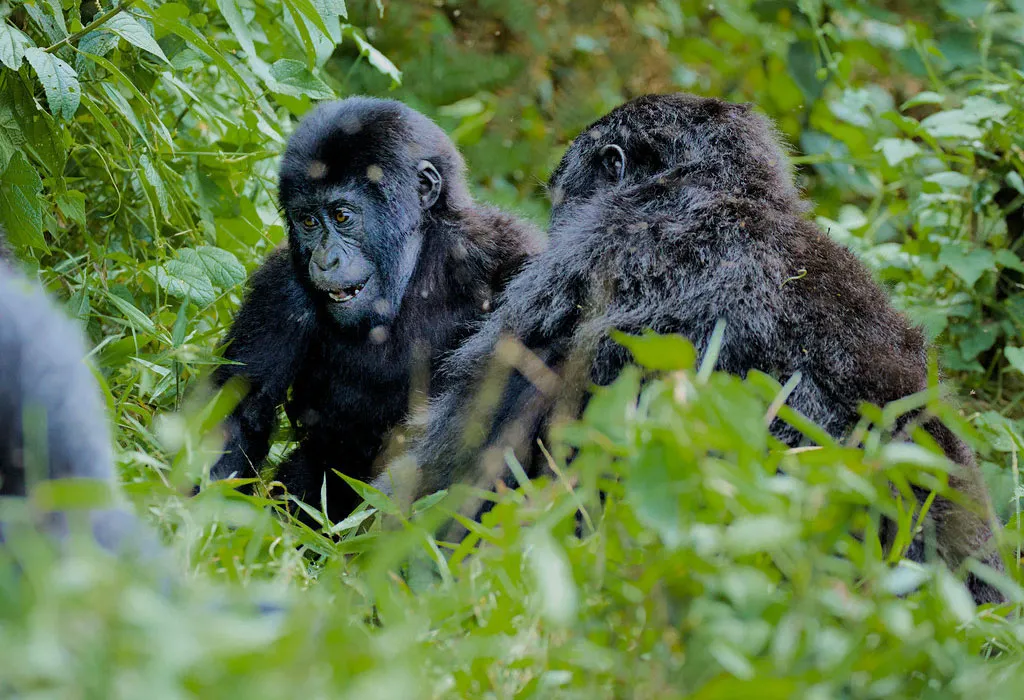
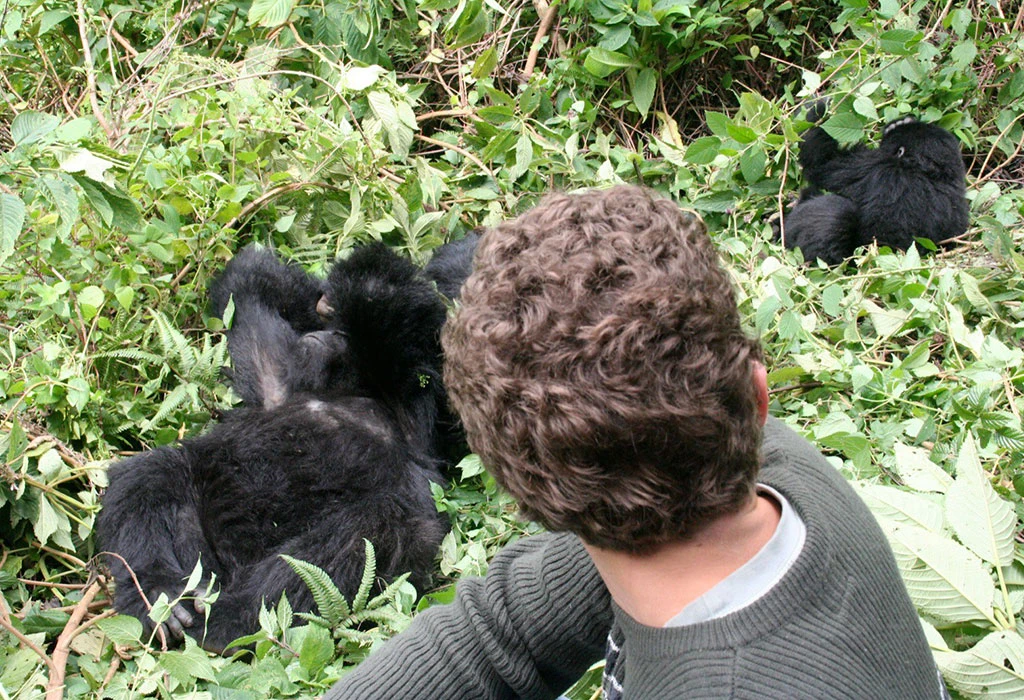
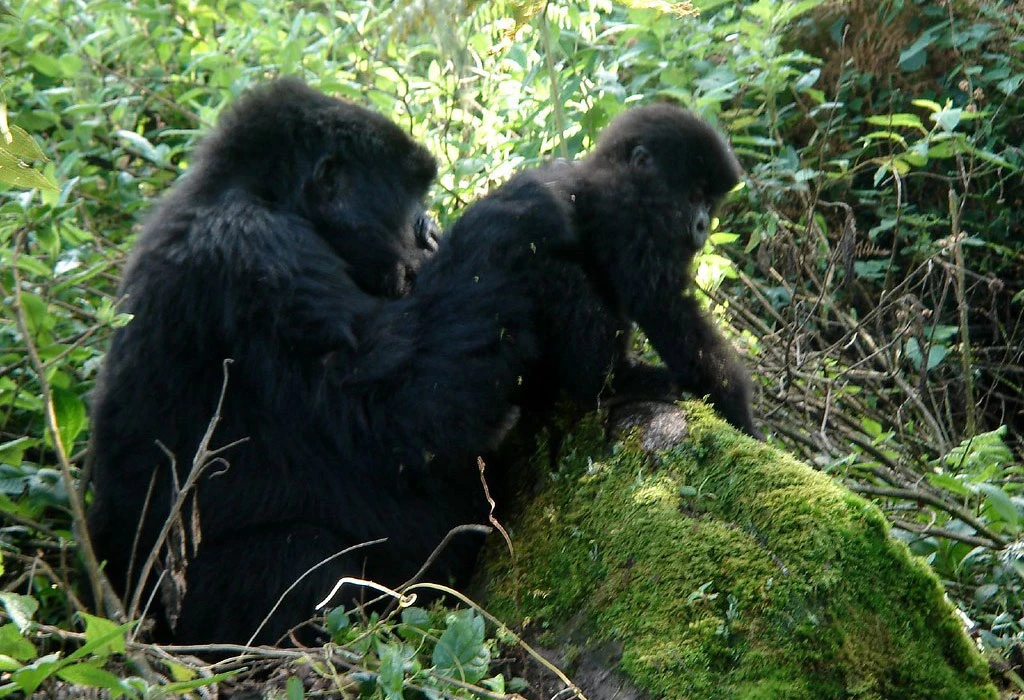
Then you head into the forest with the researchers and trackers who know this habituation family best. Along the trail there’s plenty to see besides gorillas, birds calling overhead, other primates moving through the canopy, forest sounds all around you. Once the gorilla family is located, you get four full hours in their company, far beyond the standard one-hour gorilla trekking visit most travelers get elsewhere in Uganda. Researchers often invite guests to take part in their actual work: helping collect samples, logging individual gorillas by name, even practicing gorilla vocalizations. It’s hands-on in a way that few wildlife encounters anywhere in the world can match.
Accommodation: Gorilla Leisure Lodge (Mid-Range) or Gorilla Safari Lodge (Luxury)
Meal Plan: Full-Board
Day 3: Bwindi to Kibale Forest National Park via Ishasha
On this day, you leave Bwindi behind and head north toward Kibale Forest National Park, cutting through the Ishasha sector in the southern reaches of Queen Elizabeth National Park along the way. It’s a 250 to 300-kilometer drive, taking around 6 to 7 hours, and the landscape keeps changing the whole time, savanna giving way to farmland, farmland giving way to forest.
Accommodation: Turaco Treetops (Mid-Range) or Chimpundu Lodge (Luxury)
Meal Plan: Full-Board
Day 4: Chimpanzee Trekking and Optional Bigodi Nature Walk
Kibale wakes up early, and so will you, 5:30 AM, with the forest already alive with sound. After breakfast and a cup of hot Ugandan coffee, it’s a short drive to Kanyanchu Visitor Centre for the 7:30 AM ranger briefing. Groups are kept small, just 6 to 8 people, both to protect the chimpanzees and to keep the experience personal.
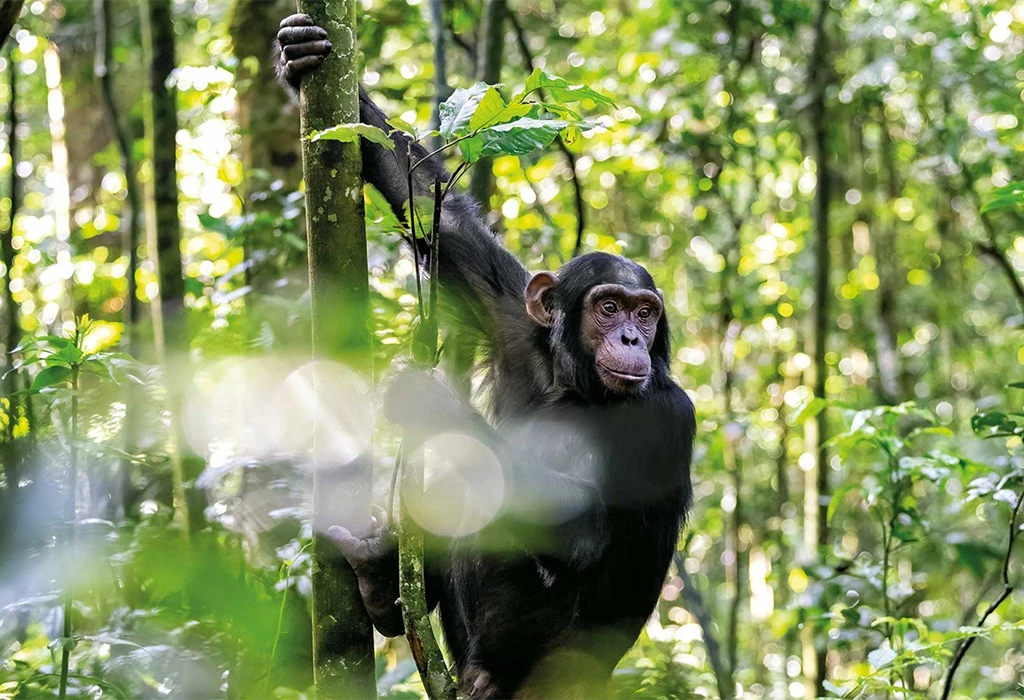
Inside the forest, you’ll usually hear the chimps calling before you see them, a wall of sound that builds as you get closer. Then you spot them: swinging through branches, grooming each other, feeding in the canopy overhead. The trek runs anywhere from two to five hours through a forest home to more than 1,500 chimpanzees, and you’ll head back to the lodge with a full memory card and a good story.
Around 3:00 PM, a local guide takes you out again for the gentler Bigodi Nature Walk through papyrus wetlands just outside the park. This walk is a birder’s dream, over 200 species live here, including bright turacos and hornbills, while red colobus and black-and-white colobus monkeys move through the trees above. Your guide will also point out plants used locally in cooking and traditional medicine. The walk runs 2 to 3 hours and ends with a much deeper appreciation for everything living in Bigodi’s wetlands.
- Accommodation: Turaco Treetops (Mid-Range) or Chimpundu Lodge (Luxury)
- Meal Plan: Full-Board
Day 5: Return Drive to Entebbe
After breakfast, it’s back into the Land Cruiser for the 6 to 7-hour drive to Entebbe. Heading east, the rainforest slowly gives way to rolling green hills, and you’ll pass tea plantations laid out in neat rows across the hillsides. On a clear day, look west for a glimpse of the snow-capped Rwenzori Mountains, the storied “Mountains of the Moon,” rising on the horizon. You’ll roll into Entebbe by evening, carrying home memories from one of the finest primate safaris anywhere in Africa.
- Accommodation: None, unless requested
- Meal Plan: Half-Board
Answered FAQs
What makes the gorilla habituation experience different from standard gorilla trekking?
How fit do I need to be for this Uganda gorilla habituation and chimp trekking safari?
When is the best time to go gorilla habituation and chimp trekking in Uganda?
Do I need a special permit for gorilla habituation in Bwindi?
What should I pack for this 5-day Uganda safari?
Request A free Qoute