
The Ultimate Bwindi Gorilla Safari Guide: Everything You Need to Know Before You Go
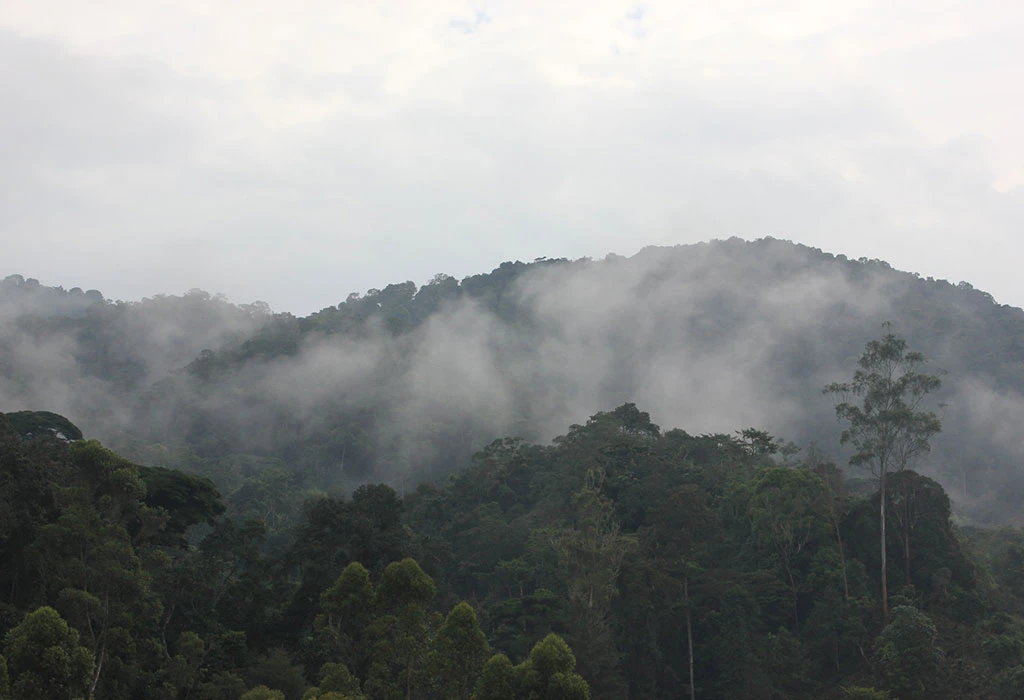
There are few wildlife encounters on Earth that rival locking eyes with a wild mountain gorilla in the misty forests of Bwindi. Home to roughly half of the world’s remaining mountain gorilla population, Bwindi Impenetrable National Park in southwestern Uganda is widely regarded as the single best place on the planet to trek gorillas, and for travelers planning the trip of a lifetime, getting the details right matters enormously.
At Iconic Africa Safaris, we design fully customized Bwindi gorilla safaris, budget, mid-range, and luxury, for solo travelers, couples, honeymooners, and families of any group size, across all four trekking sectors. This guide is the most complete resource we can offer you: permit fees broken down by every traveler category, a full comparison of Bwindi’s four sectors, named lodges in every price tier, sample itineraries, packing advice, and everything else you need to plan your ultimate Bwindi gorilla safari with confidence.
What is Covered in this Ultimate Bwindi Gorilla Safari Guide
- Why Bwindi Is the Ultimate Gorilla Trekking Destination
- Bwindi vs. Rwanda vs. Congo: A Quick Comparison
- Understanding Bwindi’s Four Trekking Sectors
- How to Get to Bwindi’s Sectors from Entebbe or Kigali International Airport
- Gorilla Trekking Permit Fees by Traveler Category
- Gorilla Habituation Experience Permits
- Best Time to Visit Bwindi for Gorilla Trekking
- What a Day of Gorilla Trekking Actually Looks Like
- How Fit Do You Need to Be?
- Where to Stay: Named Lodges by Sector and Category
- Sample Itineraries
- What to Pack for Bwindi
- Health, Safety, and Entry Requirements
- Combining Bwindi With Other Uganda & Rwanda Highlights
- Responsible Tourism and Gorilla Conservation
- Common Mistakes First-Time Trekkers Make
- Why Travel With Iconic Africa Safaris
- Frequently Asked Questions
1. Why Bwindi Is the Ultimate Gorilla Trekking Destination
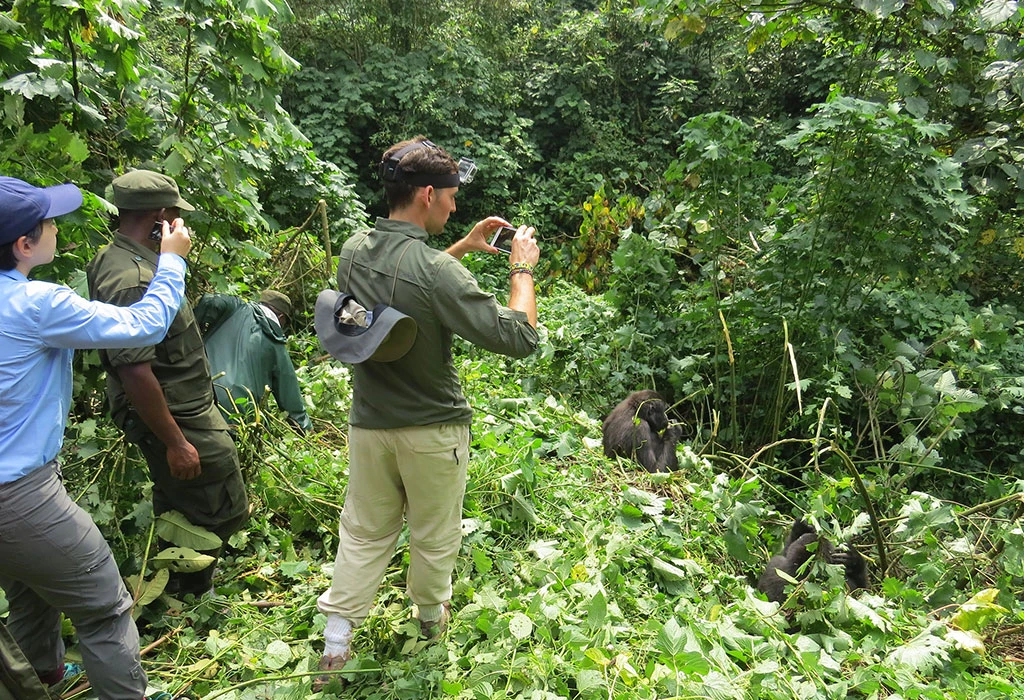
Bwindi Impenetrable National Park is a UNESCO World Heritage Site spanning 321 square kilometers of ancient, biodiverse rainforest in southwestern Uganda, along the edge of the Albertine Rift. It’s one of only three countries in the world, alongside Rwanda and the Democratic Republic of Congo, where mountain gorillas can be trekked in the wild, and it holds more habituated gorilla families than either of the other two, which is exactly why an ultimate Bwindi gorilla safari starts here.
The forest itself is one of the oldest and most ecologically rich in Africa, believed to have survived the last Ice Age largely intact. That deep age shows: Bwindi supports over 400 plant species, more than 350 bird species, several primate species beyond gorillas (including chimpanzees in isolated pockets), and a density of biodiversity per square kilometer that few forests on Earth can match. Trekking here isn’t just about the gorilla encounter itself, it’s walking through one of the last great primeval forests left on the continent.
What sets Bwindi apart from Rwanda’s Volcanoes National Park in practical terms:
- More gorilla families and permits available, meaning more availability and flexibility for booking dates, especially at short notice
- Lower permit cost than Rwanda, making it dramatically more accessible for budget and mid-range travelers
- Denser, more dramatic rainforest terrain, offering a wilder, more immersive trekking experience than the more open volcanic slopes of Rwanda
- Combinability with other top Uganda experiences, chimpanzee tracking in Kibale, game drives in Queen Elizabeth National Park, and boat safaris on Lake Bunyonyi, all within a few hours’ drive
For travelers who want the full gorilla encounter without the premium Rwanda price tag, Bwindi is the clear choice, and it’s the park we know best.
2. Bwindi vs. Rwanda vs. Congo: A Quick Comparison
Because so many travelers ask us how Uganda stacks up against neighboring gorilla-trekking countries, here’s a side-by-side comparison of the three destinations where mountain gorilla trekking is possible.
| Factor | Uganda (Bwindi/Mgahinga) | Rwanda (Volcanoes NP) | DR Congo (Virunga) |
|---|---|---|---|
| Standard permit (foreign non-resident) | $800 | $1,500 | $400 |
| Number of habituated gorilla families | 20+ across 4 Bwindi sectors + Mgahinga | 12 | Fewer, limited by security access |
| Terrain | Dense rainforest, hilly, humid | Volcanic slopes, higher altitude | Rainforest, variable access |
| Trek duration | 1–8 hours (average 2–4) | Generally shorter, often 1–3 hours | Variable |
| Flight access | Entebbe International Airport, then road or domestic flight | Kigali International Airport, close to park (2–3 hrs) | Limited; security-dependent |
| Combinable with | Chimp tracking, Queen Elizabeth NP, Lake Bunyonyi | Golden monkey tracking, genocide memorial sites | Limited due to regional instability |
| Best for | Budget-to-luxury travelers wanting value and variety | Travelers prioritizing shorter transfers and premium infrastructure | Adventurous travelers monitoring security conditions closely |
Uganda consistently offers the best value-to-experience ratio of the three, which is why the large majority of our clients choose Bwindi over Rwanda, even among luxury travelers who could easily afford the higher Rwandan permit fee.
3. Understanding Bwindi’s Four Trekking Sectors
Bwindi is divided into four distinct trekking sectors, each with its own access point, habituated gorilla families, and character. Choosing the right sector is one of the most important decisions in planning your ultimate Bwindi gorilla safari. Iconic Africa Safaris operates across all four, so your itinerary is built around what suits you, not around where we happen to have availability.
- Buhoma Sector (northwest), The original and most established sector, opened to tourism in the early 1990s and still the largest hub of lodges, from budget guesthouses to the park’s most iconic luxury properties. Trails here tend to be more moderate on average, making it a strong choice for first-time trekkers, families, or those wanting easier terrain alongside excellent accommodation options. Gorilla families here include the Mubare, Habinyanja, Rushegura, Katwe, Binyindo, and Muyambi groups.
- Ruhija Sector (east), The highest-altitude sector in Bwindi, bordering the Echuya Forest, at elevations up to roughly 2,350 meters. Trails can be steeper and cooler, but the sector rewards trekkers with spectacular views and is generally quieter than Buhoma. It’s also considered the best sector in Bwindi for birdwatching, home to rare species like the Grauer’s broadbill.
- Rushaga Sector (south), The sector with the highest concentration of habituated gorilla families (six or more), making it the natural choice if you want to add a gorilla habituation experience, a longer, four-hour session with a gorilla family still being acclimated to human presence, rather than the standard one-hour visit. This is currently the only sector in Bwindi offering the habituation permit.
- Nkuringo Sector (southwest), Known for dramatic ridge-top views toward the Virunga volcanoes and some of the more physically demanding trails in Bwindi, but deeply rewarding for travelers who want a genuine wilderness challenge, fewer crowds, and arguably the most scenic lodge settings in the park.
Sector Comparison at a Glance
| Sector | Terrain Difficulty | Habituated Families | Best For | Lodge Density |
|---|---|---|---|---|
| Buhoma | Moderate | 6 families | First-timers, families, easier access | Highest (18+ properties) |
| Ruhija | Moderate–Steep | 3 families | Birdwatchers, quieter experience | Lowest (fewer than 10) |
| Rushaga | Moderate–Steep | 6+ families | Habituation experience, most family choice | Growing, mid-to-high density |
| Nkuringo | Steep, most demanding | 1–2 families | Scenery, honeymooners, adventure seekers | Moderate, luxury-leaning |
Because trip length and preferences vary so much from traveler to traveler, we help you choose the sector, or combination of sectors, if you’re doing a multi-day, multi-family experience, that matches your fitness level, travel dates, and accommodation budget.
4. How to Get to Bwindi’s Sectors from Entebbe or Kigali International Airport
Bwindi is remote by design, that isolation is part of what has protected the forest, so getting there takes real planning. You have two main international gateways (Entebbe in Uganda or Kigali in Rwanda) and two ways to cover the final leg (road or domestic flight). Getting the transport logistics right is a key part of planning your ultimate Bwindi gorilla safari, and here’s how each option breaks down by sector.
From Entebbe International Airport by Road
The overland route from Entebbe runs through Kampala, Masaka, and Mbarara before splitting toward your specific sector. Expect a full-day journey, most operators, including us, break it into two days with an overnight stop in Mbarara or Kabale rather than pushing straight through.
| Sector | Approx. Distance from Entebbe | Approx. Drive Time | Typical Route |
|---|---|---|---|
| Buhoma | 470–500 km | 8.5–10 hours | Entebbe – Kampala – Masaka – Mbarara – Ntungamo – Rukungiri – Kihihi – Butogota – Buhoma |
| Ruhija | 470–510 km | 9–10 hours | Entebbe – Kampala – Masaka – Mbarara – Kabale, then a winding mountain road into Ruhija |
| Rushaga | 480–520 km | 9–11 hours | Entebbe – Kampala – Masaka – Mbarara – Kabale – Kisoro – Rushaga |
| Nkuringo | 500–540 km | 10–12 hours | Entebbe – Kampala – Masaka – Mbarara – Kabale – Kisoro, then a steep 4×4 track into Nkuringo |
A 4×4 vehicle is strongly recommended for the final stretch into any sector, especially during the wetter months (March–May and October–November) when murram (dirt) roads can turn muddy. Because of the distance, we typically build in an overnight stop at Lake Mburo or Mbarara on the way down, which also breaks up the drive with a worthwhile wildlife stop.
From Entebbe International Airport or Kajjansi Airfield by Domestic Flight
If you’d rather skip the long drive, scheduled domestic flights connect Entebbe (and, for some charter operators, the smaller Kajjansi Airfield just outside Kampala) to two airstrips near Bwindi:
- Kihihi Airstrip, Serves the Buhoma and Ruhija sectors. Flight time from Entebbe is roughly 1 hour to 1 hour 15 minutes, followed by a further 1.5–2 hour road transfer to your lodge.
- Kisoro Airstrip, Serves the Rushaga and Nkuringo sectors. Flight time from Entebbe is similar, around 1 hour to 1 hour 15 minutes, with a shorter 1–1.5 hour road transfer on to your lodge.
Flights typically operate daily during peak season on light aircraft (12–14 seats), operated by scheduled carriers such as Aerolink Uganda, with charter options available through other operators. Domestic flights should be booked well in advance in June–September and December–February, since seating is limited and schedules can shift with demand and weather. Flying cuts your total travel day from roughly 9–12 hours to under 3 hours door-to-door, which matters if you’re short on vacation days or traveling with anyone who’d struggle with a long overland drive.
From Kigali International Airport (Rwanda) by Road
Many of our clients, especially those heading to Bwindi’s southern sectors, actually find it faster to fly into Kigali, Rwanda, and cross overland into Uganda, rather than routing through Entebbe. This works because Bwindi sits close to the Uganda–Rwanda border in the southwest.
Two border crossings connect Kigali to Bwindi:
- Cyanika border (near Kisoro), About 115–120 km and 3 hours’ drive from Kigali. This is the faster route into the southern sectors.
- Katuna/Gatuna border (near Kabale), About 80 km and 2 hours’ drive from Kigali, slightly more commonly used for northern-sector travel.
| Sector | Via Katuna Border | Via Cyanika Border |
|---|---|---|
| Buhoma | ~197 km from Kigali total; final stretch from Kabale is scenic but longer | Less direct; Katuna generally preferred for Buhoma |
| Ruhija | ~160 km from Kigali total (shortest overall Kigali route) | ~80 km from the border itself, about 2.5 hours |
| Rushaga | ~170 km from Kigali total | ~43 km from the border, about 1.5–2 hours, the faster option |
| Nkuringo | ~186 km from Kigali total | ~43 km from the border, about 1.5–2 hours, the faster option |
In practice, total travel time from Kigali to any Bwindi sector runs about 4 to 7 hours door-to-door, roughly half the time of the Entebbe road route, which is why Kigali has become an increasingly popular gateway for travelers heading straight to Rushaga or Nkuringo. Both borders operate daily, generally from around 6:00 AM to between 7:00 PM and 10:00 PM depending on the post, and crossing itself typically takes under an hour outside of peak holiday periods.
From Kigali International Airport by Domestic Flight
There are currently no direct scheduled domestic flights from Kigali straight to Kihihi or Kisoro airstrips. Travelers wanting to fly rather than drive from the Rwandan side typically connect through Entebbe (a short regional flight from Kigali to Entebbe, then the Entebbe–Kihihi or Entebbe–Kisoro domestic hop described above) or simply drive the 4–7 hour overland route, which is usually the more time-efficient choice given the connection times involved in flying via Entebbe.
Our recommendation: for southern-sector treks (Rushaga or Nkuringo), Kigali is very often the smarter gateway, shorter drive, scenic Rwandan countryside, and an easy border crossing. For Buhoma or Ruhija, Entebbe (by road with an overnight stop, or by domestic flight to Kihihi) usually works out more efficient. We’ll recommend the right gateway for you based on your specific sector, flight schedule, and budget when we build your itinerary.
5. Gorilla Trekking Permit Fees by Traveler Category
Every gorilla trekking permit in Uganda is issued exclusively by the Uganda Wildlife Authority (UWA), and pricing is tiered by residency and citizenship status. This is one of the most misunderstood parts of trip planning, many travelers assume a single flat rate applies to everyone, when in fact UWA operates four distinct pricing categories. Understanding these categories correctly is essential to budgeting your ultimate Bwindi gorilla safari. Here is the complete breakdown for standard gorilla trekking permits, valid for Bwindi Impenetrable National Park and Mgahinga Gorilla National Park:
| Traveler Category | Standard Permit Fee | Who Qualifies |
|---|---|---|
| Foreign Non-Resident | US $800 per person | Most international visitors, travelers from North America, Europe, Asia, Australia, and any country without East African residency |
| Foreign Resident | US $700 per person | Non-citizens holding a valid Uganda (or East African) work permit or residence visa; proof of residency required at booking |
| Rest-of-Africa Resident (non-EAC) | US $500 per person | Citizens of African countries outside the East African Community |
| East African Community Citizen | UGX 300,000 (approx. US $80) per person | Citizens of Uganda, Kenya, Tanzania, Rwanda, Burundi, South Sudan, and the DRC |
Every standard permit includes:
- Park entrance fees for the trekking day
- A trained UWA ranger guide who leads the trek and narrates gorilla behavior and forest ecology
- Armed ranger escort and trackers who help locate the gorilla family
- Up to one hour of viewing time once the family is located
A note on seasonal pricing: UWA has, in recent tariff periods, introduced a discounted low-season rate during April, May, and November, historically around $600 for foreign non-residents and $500 for foreign residents, as an incentive to trek during the wetter months. These discounted permits typically cannot be rescheduled once booked, so they suit travelers who are fully certain of their dates. Because these seasonal promotions can change from year to year, we always confirm the exact current rate with UWA directly before booking on your behalf, rather than relying on a fixed number that may shift.
Permits are scarce. Only eight visitors are allowed per gorilla family, per day, across all sectors combined. This hard cap means permits for popular travel windows, June through September and December through February, routinely sell out four to six months in advance. We strongly recommend locking in your permit as early as possible once your travel dates are set.
Iconic Africa Safaris handles the entire permit booking and payment process for you as part of every itinerary, confirming your exact category rate and securing your family assignment, so you never have to deal with UWA paperwork directly.
6. Gorilla Habituation Experience Permits
For travelers who want more than the standard one-hour encounter, Bwindi’s Rushaga sector offers the Gorilla Habituation Experience, up to four hours with a gorilla family that researchers and trackers are still in the process of habituating to human presence. It’s a deeper, more research-oriented encounter, capped at a maximum of four visitors per day (far smaller than the eight permitted on a standard trek), which makes it both more exclusive and more expensive.
| Traveler Category | Habituation Permit Fee (approx.) |
|---|---|
| Foreign Non-Resident | US $1,800 per person |
| Foreign Resident | US $1,500 per person |
| Rest-of-Africa Resident (non-EAC) | US $1,000 per person |
| East African Community Citizen | UGX 750,000 (approx. US $200) per person |
Habituation permits are even more limited than standard permits and should be booked as early as possible, ideally six months or more ahead of travel for peak season dates. If you’re interested in this experience, let us know when you first contact us, as it changes both your recommended sector (Rushaga) and your ideal lodge category.
7. Best Time to Visit Bwindi for Gorilla Trekking
Bwindi can technically be trekked year-round, but conditions vary meaningfully between seasons, and timing your trip well is part of what turns a good trek into a truly ultimate Bwindi gorilla safari:
- Dry seasons (June–September and December–February), The most popular months, and for good reason. Trails are firmer and less slippery, making the physical trekking noticeably easier, and visibility in the forest is generally better. This is also when permits sell out fastest and lodge rates peak, so early booking, both for permits and accommodation, is essential.
- Wet seasons (March–May and October–November), Fewer crowds, lusher scenery, and occasionally discounted lodge and permit rates, but trails are muddier and trekking can take longer as a result. Rain in Bwindi tends to fall in short, intense bursts rather than lasting all day, so it remains a very workable time to visit for travelers who don’t mind mud underfoot and want a quieter, more affordable experience.
There’s no single “best” month for every traveler, it depends on whether you prioritize easier trails and better weather, or lower costs, quieter trails, and fewer other tourists in the forest with you. We factor this into every itinerary we build, matching your travel window to realistic expectations for trail conditions.
8. What a Day of Gorilla Trekking Actually Looks Like
- 7:00 AM, Briefing at the park headquarters for your assigned sector, where rangers assign you to a gorilla family group, generally taking your fitness level and interests into account
- 7:30 AM, Trek begins, accompanied by an experienced ranger guide, an armed escort, and (optionally, and highly recommended) a porter
- 1–8 hours of trekking, Duration depends entirely on where the gorilla family is located that day; trackers who leave earlier than tourist groups scout ahead and radio updates on the family’s location, but gorillas move daily and sometimes range far from the trailhead
- The encounter, Once located, you get exactly one hour with the gorillas on a standard permit: watching them forage, interact, groom, and move through the forest at extremely close range, often just a few meters away
- Return trek, Back to the trailhead, followed by a certificate of completion from UWA
Because gorilla families move daily and unpredictably, no two treks are identical, some groups are back at the trailhead by early afternoon, others trek for the better part of a day. This unpredictability is part of what makes the experience feel genuinely wild rather than staged, and it’s something we prepare every client for realistically rather than glossing over.
9. How Fit Do You Need to Be?
Bwindi’s name is not just marketing, “impenetrable” refers to genuinely dense, hilly rainforest terrain, with narrow trails, exposed roots, and steep, sometimes muddy inclines. That said, treks are graded by difficulty at the briefing stage, and guides can assign you to a closer, more accessible gorilla family if you mention fitness concerns before setting off.
Tips we give every client:
- Hiring a porter (typically $15–20/day, paid locally in cash) is one of the best-value decisions you can make on the entire trip, porters help with balance on steep or muddy sections, not just with carrying bags, and hiring one also directly supports the local community
- A moderate baseline fitness level, able to walk briskly for one to two hours on uneven ground without stopping, is sufficient for most sector assignments
- Trekking poles, offered for a small fee (or sometimes free) at most trailheads, make a significant difference on steep descents, particularly during the wetter months
- Travelers with mobility concerns should mention this when booking; UWA offers a sedan-chair option in Bwindi (carried by a team of porters) for trekkers unable to walk the full distance unassisted
We ask about fitness and any mobility considerations when building your itinerary so we can recommend the right sector and, where possible, the right gorilla family assignment in advance.
10. Where to Stay: Named Lodges by Sector and Category
One advantage of Bwindi’s four-sector structure is that every price tier is genuinely well represented, no matter which sector your permit assigns you to. Below is a breakdown of real, named properties we work with across the park, organized by sector and category, one of the details that separates an ordinary trip from an ultimate Bwindi gorilla safari. Because we build every itinerary from scratch, we’ll match the specific lodge to your budget, sector assignment, and travel dates rather than locking you into a single pre-set package.
Buhoma Sector
| Category | Lodges |
|---|---|
| Budget | Buhoma Community Rest Camp, Bwindi Guesthouse, Buhoma Community Bandas |
| Mid-Range | Haven Lodge (Buhoma Community Haven Lodge), Engagi Lodge, Bwindi View Lodge, Cuckooland Tented Lodge |
| Luxury | Buhoma Lodge, Mahogany Springs Lodge, Sanctuary Gorilla Forest Camp, Bwindi Lodge |
Buhoma has the deepest lodge inventory of any sector, 18 or more established properties spanning roughly $25 to well over $500 per person, per night, making it the easiest sector to accommodate large mixed-budget groups (for example, a family where some members want luxury and others are traveling on a tighter budget).
Ruhija Sector
| Category | Lodges |
|---|---|
| Budget | Gift of Nature Lodge, Ruhija Community Rest Camp |
| Mid-Range | Bakiga Lodge, Ruhija Gorilla Safari Lodge, Trekkers Tavern Cottages |
| Luxury | Gorilla Mist Camp, Broadbill Forest Camp |
Ruhija has the fewest lodging options of any sector, which keeps it quieter but means booking further ahead matters even more here than elsewhere in the park.
Rushaga Sector
| Category | Lodges |
|---|---|
| Budget | Rushaga Gorilla Camp, Nshongi Gorilla Camp |
| Mid-Range | Ichumbi Gorilla Lodge, Rushaga Gorilla Lodge, Bweza Gorilla Lodge, Gorilla Valley Lodge |
| Luxury | Four Gorillas Lodge, Chameleon Hill Lodge |
Rushaga’s lodge inventory has grown quickly in recent years to match its status as the sector with the most habituated families and the only habituation-experience permits, so newer properties continue to open here regularly.
Nkuringo Sector
| Category | Lodges |
|---|---|
| Budget | Nkuringo Gorilla Campsite |
| Mid-Range | Nkuringo Gorilla Safari Lodge, Trekkers Tavern Cottages (Nkuringo satellite) |
| Luxury | Clouds Mountain Gorilla Lodge, Nkuringo Bwindi Gorilla Lodge, Gorilla Heights Lodge |
Nkuringo has the most dramatic lodge settings in the park, Clouds Mountain Gorilla Lodge, perched at roughly 2,100 meters, is the highest-altitude lodge in Uganda and consistently ranks among travelers’ favorite properties in the entire country, not just Bwindi.
A general guide to what each tier includes:
- Budget ($25–$80/night), Simple, clean rooms or bandas, shared or basic en-suite bathrooms, hearty local meals, and genuine community ownership in many cases. Ideal for backpackers and travelers prioritizing value over comfort extras.
- Mid-Range ($120–$350/night), Private cottages or tented rooms, hot water, restaurant and bar on-site, forest or valley views, and reliably good service. This is the tier the majority of our clients book, excellent comfort without luxury pricing.
- Luxury ($400–$1,500+/night), High-end cottages or suites, gourmet dining, spa or wellness facilities in some properties, premium service ratios, and often private decks with forest or gorilla-viewing potential right from the lodge grounds.
11. Sample Itineraries
These sample day-by-day plans give you a starting point for what an ultimate Bwindi gorilla safari can look like at each budget level.
(All itineraries below are fully flexible on length, sector, and accommodation tier, these are starting points, not fixed packages. Trip length varies entirely by client preference, and we build each one individually.)
- 3-Day Budget Gorilla Trek, Arrive and acclimatize; trek in Buhoma or Ruhija; depart. Best for travelers on a tight schedule who want the core experience without extensions, typically staying at properties like Buhoma Community Rest Camp or Gift of Nature Lodge.
- 5-Day Mid-Range Bwindi & Lake Bunyonyi, Gorilla trek in Rushaga or Nkuringo, staying at a mid-range property such as Ichumbi Gorilla Lodge or Bakiga Lodge, followed by two relaxed days canoeing and unwinding on Lake Bunyonyi, one of Africa’s most scenic lakes.
- 7-Day Luxury Uganda Primate Safari, Chimpanzee tracking in Kibale Forest, gorilla trekking in Buhoma with a stay at Buhoma Lodge or Mahogany Springs, and a game drive in Queen Elizabeth National Park, staying in top-tier lodges throughout.
- 10+ Day Uganda–Rwanda Combined Safari, Bwindi gorilla trekking (any sector), Queen Elizabeth National Park game drives, and a cross-border extension to Rwanda’s Volcanoes National Park or Nyungwe Forest for a second primate experience, ideal for travelers who want both countries in one trip.
Tell us your travel dates, group size, budget tier, and any special interests (birding, honeymoon, habituation experience), and we’ll build a day-by-day itinerary specifically around it.
12. What to Pack for Bwindi
Packing right is a small but important piece of pulling off a genuinely ultimate Bwindi gorilla safari:
- Waterproof hiking boots with ankle support, already broken in, not new
- Gardening gloves, for gripping vegetation and stinging nettles on steep sections
- Long-sleeved shirt and trousers in neutral colors, to protect against nettles, thorns, and insects
- A reliable rain jacket, even in dry season, since Bwindi’s microclimate can produce sudden showers any time of year
- A daypack with at least 2 liters of water and energy snacks
- Insect repellent containing DEET
- A modest cash tip budget for guides, trackers, and porters, $10–20 per person, per service role, is customary
- A dry bag or waterproof case for cameras and phones
13. Health, Safety, and Entry Requirements
- Yellow fever vaccination certificate is required for entry into Uganda from most countries
- Travelers must be 15 years or older to trek gorillas, under UWA regulations, there is no exception for younger children, regardless of fitness
- Health screening requirements can change; we confirm the latest entry requirements with you directly before travel rather than relying on outdated information
- Anyone showing symptoms of illness, even a common cold, on trek day may be asked to sit out, since gorillas are highly susceptible to human respiratory illnesses and a single transmission event can be devastating to a family group
We advise all clients to take out comprehensive travel insurance that covers trip cancellation, medical evacuation, and emergency treatment, given the remote location of the park relative to major hospitals.
14. Combining Bwindi With Other Uganda & Rwanda Highlights
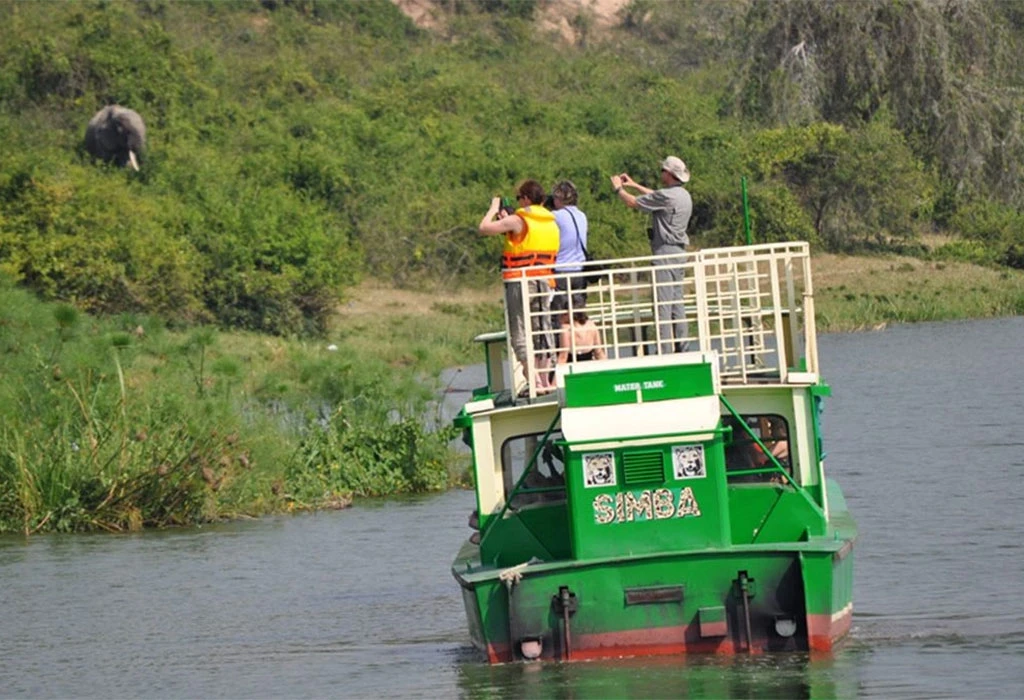
Because Bwindi sits in Uganda’s far southwest, it pairs naturally with several other major East African experiences, letting you extend your ultimate Bwindi gorilla safari into a broader regional trip:
- Queen Elizabeth National Park, Famous for tree-climbing lions and boat cruises along the Kazinga Channel, one of the richest wildlife waterways in Africa
- Kibale Forest National Park, Widely regarded as the best chimpanzee tracking destination in East Africa, with a very high success rate for sightings
- Lake Bunyonyi, A scenic, low-key stop for canoeing, swimming (it’s one of the few bilharzia-free lakes in the region), and rest between more physically demanding activities
- Rwanda’s Volcanoes National Park, A relatively short border crossing for travelers wanting a second gorilla trek or golden monkey tracking, useful for those who want to compare both countries’ experiences in a single trip
15. Responsible Tourism and Gorilla Conservation
Every gorilla permit fee directly funds conservation, anti-poaching patrols, ranger salaries, and community development programs around Bwindi. Mountain gorillas were once critically endangered with fewer than 700 individuals left in the wild; sustained conservation tourism, combined with anti-poaching enforcement and community revenue-sharing, has been central to the species’ slow but real population recovery in recent decades.
A few principles UWA enforces, and that we brief every client on, to keep this recovery on track:
- Maintain a minimum distance of roughly 7–10 meters from gorillas at all times where possible
- Never trek if you’re feeling unwell, even mildly
- No flash photography, and keep voices low during the encounter
- No eating, drinking, or littering within viewing distance of the gorillas
Choosing a Bwindi gorilla safari isn’t just a bucket-list experience, it’s a direct, tangible contribution to one of conservation’s genuine long-term success stories.
16. Common Mistakes First-Time Trekkers Make
- Booking permits too late. Waiting until a month or two before travel for peak-season dates is the single most common, and most avoidable, planning mistake we see.
- Underestimating the terrain. Assuming any general fitness level is sufficient without accounting for altitude, humidity, and unpredictable trek length.
- Skipping the porter. Even fit travelers often regret not hiring one, especially on muddy trails.
- Packing the wrong footwear. New, unbroken-in boots on an 8-hour trek is a common and entirely preventable source of misery.
- Not budgeting for tips. Rangers, trackers, and porters rely significantly on tips, and arriving without small denominations of cash on hand creates unnecessary stress on trek day.
17. Why Travel With Iconic Africa Safaris
We built our entire business around one goal: helping you plan a genuinely ultimate Bwindi gorilla safari, not a generic package.
- Fully customized itineraries across budget, mid-range, and luxury tiers, never a rigid, one-size-fits-all package
- All four Bwindi sectors covered, so your itinerary is built around what genuinely suits you, not limited availability
- Flexible for any group size, solo travelers, couples, honeymooners, and families
- We handle every logistical detail: permit booking at the correct traveler-category rate, lodge reservations across any tier, transport, and border logistics if you’re combining with Rwanda
Ready to start planning? Reach out to us at info@gorillatrekug-rw.com or info@iconicafricasafaris.com and tell us your travel dates, group size, and budget, we’ll send back a custom itinerary built specifically around you.
18. Frequently Asked Questions
Here are the questions we hear most often from travelers planning their ultimate Bwindi gorilla safari.
How much does a Bwindi gorilla safari cost in total?
Total cost depends heavily on trip length, accommodation tier, and your permit category. The standard permit alone ranges from roughly $80 (East African citizens) to $800 (foreign non-residents), with the rest of the budget going toward lodging, transport, park fees, and guiding. Contact us for a tailored quote based on your preferred itinerary and traveler category.
How many days do I need for a Bwindi gorilla trek?
A minimum of 3 days allows for arrival, one trek, and departure, but 5–7 days lets you combine trekking with other Uganda highlights without feeling rushed.
Can children trek gorillas in Bwindi?
UWA requires trekkers to be at least 15 years old, with no exceptions. Younger children can often be accommodated with alternative activities, such as the Batwa cultural experience or nature walks, while parents trek.
Is Bwindi safer than trekking in Rwanda or Congo?
Uganda’s gorilla trekking regions are well-patrolled and considered safe for tourism, with UWA rangers accompanying every trek. As with any international travel, we recommend standard precautions and comprehensive travel insurance.
What’s the difference between a standard trek and a habituation experience?
A standard trek gives you one hour with a fully habituated family for $800 (foreign non-resident rate); the habituation experience, available only in Rushaga, offers up to four hours with a family still being acclimated to humans, at a higher fee of roughly $1,500, offering a deeper, more research-oriented encounter.
Should I fly into Entebbe or Kigali for Bwindi?
It depends on your sector. For Rushaga or Nkuringo, Kigali is often faster (roughly 4–7 hours door-to-door via the Cyanika or Katuna border) than Entebbe (8–12 hours by road). For Buhoma or Ruhija, Entebbe, either by road with an overnight stop, or by a short domestic flight to Kihihi Airstrip, usually works out more efficient. We’ll advise based on your exact sector and dates.
Do I need separate permits for Bwindi and Mgahinga?
Yes, permits are specific to the park and sector you’re assigned to. We handle this assignment and booking as part of your itinerary planning.
Can I get a refund if I can’t make my trekking date?
UWA’s cancellation and rescheduling policies vary by how far in advance you cancel, and low-season discounted permits are typically non-reschedulable altogether. We walk every client through the current policy before booking so there are no surprises.