
Ultimate Jinja Safari: White Water Rafting, Nile Cruises and Adventure
Jinja sits quietly along the northern shores of Lake Victoria, yet a Jinja Safari carries a reputation far bigger than the town’s size suggests. Known across East Africa as the Adventure Capital of the region, Jinja attracts travelers with thundering rapids, gentle river cruises, cultural landmarks and warm community life all wrapped into a single unforgettable trip.
This guide walks through every major activity worth including in a Jinja Safari, from world class white water rafting on the Nile to peaceful sunset cruises, historic memorials, waterfalls, wildlife encounters and cultural visits. Consider this your complete planning companion for building the perfect Jinja Safari itinerary, whether you have two days or two full weeks to explore Uganda’s most exciting adventure town.
Why a Jinja Safari Deserves a Place on Your Uganda Itinerary
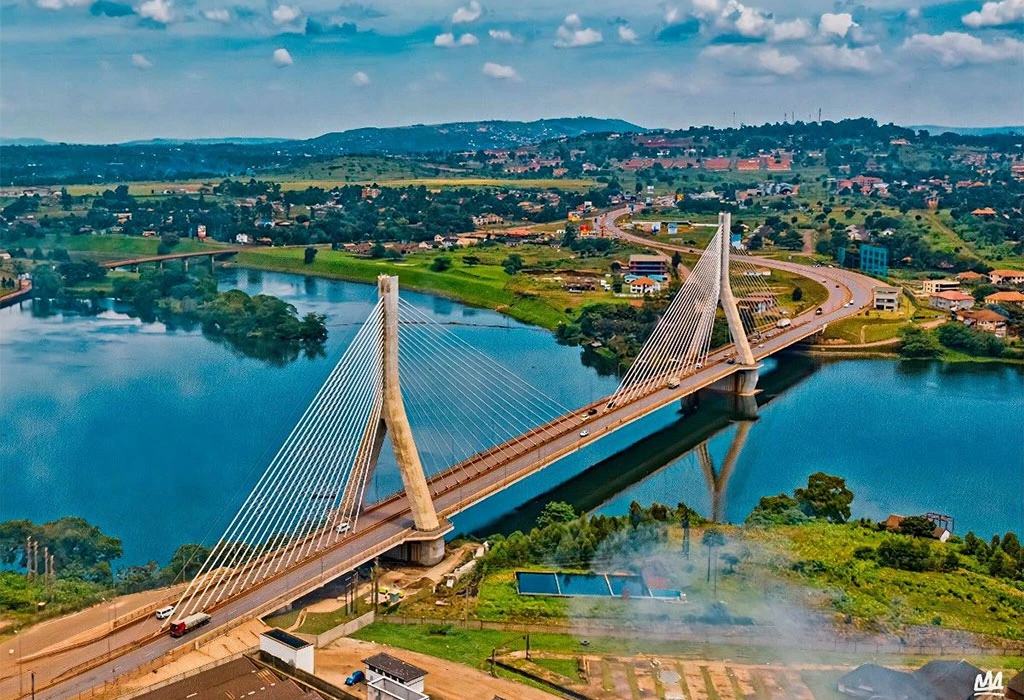
A Jinja Safari earns its adventure capital reputation honestly. Few towns anywhere in Africa pack this many activities into such a compact area. Within a short drive you can raft grade five rapids, glide across calm water on a sunset cruise, climb a rocky hill for panoramic views, and visit a royal palace, all within a single well planned day.
Beyond the adrenaline, a Jinja Safari carries deep historical weight. Jinja sits at the point where the Nile River begins its long journey north toward Egypt and the Mediterranean Sea. Explorers, colonial administrators and local kingdoms all left their mark here, giving the town a layered identity that mixes indigenous Busoga culture with British colonial history and a thriving modern tourism economy.
Families, solo travelers, honeymooners and hardened adventure seekers all find something suited to them on a Jinja Safari. The town caters to every budget and comfort level, from backpacker hostels along the riverbank to upscale lodges with sweeping Nile views. This flexibility is a major reason a Jinja Safari has become one of the most searched safari add on trips in Uganda.
What makes a Jinja Safari genuinely stand out:
- Adventure variety. Rafting, bungee jumping, quad biking, ziplining, kayaking and tubing all sit within a short drive of one another, so no single activity dominates your schedule.
- Cultural depth. The Busoga Kingdom palace, a Hindu temple, a Gandhi memorial and colonial architecture give travelers meaningful context beyond the adrenaline sports alone.
- Natural scenery. Waterfalls, forest reserves and river islands surround the town, rewarding travelers who enjoy quiet nature walks as much as those chasing rapids.
- Easy access. Jinja sits close enough to Kampala and Entebbe that it fits naturally into almost any broader Uganda itinerary without adding significant travel time.
White Water Rafting on the Nile
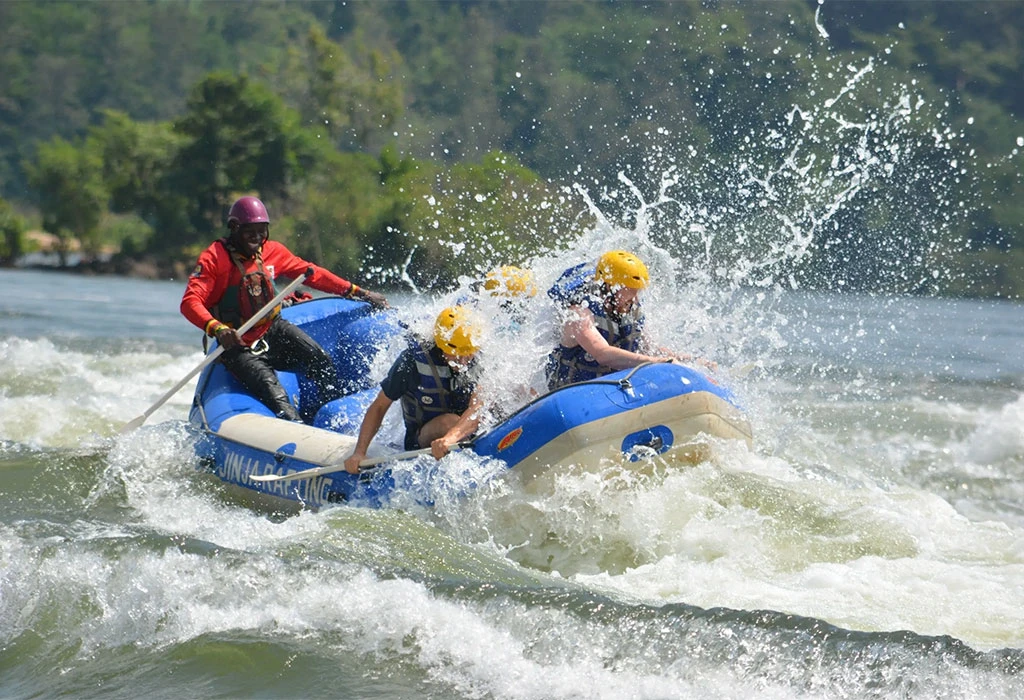
No activity defines a Jinja Safari quite like white water rafting. The Nile here churns through a series of powerful rapids rated from gentle grade two sections up to thrilling grade five drops, offering something for total beginners and seasoned rafters alike. Professional guides brief every group thoroughly before launch, ensuring safety without dulling the excitement.
A typical rafting day starts early with safety training on calm water before the group tackles the famous rapids further downstream. Names like Overtime, Total Madness and The Bad Place have become legendary among rafting enthusiasts worldwide. Full day and half day options exist, so travelers with limited time can still fit this centerpiece activity into a short Jinja Safari.
Quick facts before you book your rafting trip:
- Grade two to three sections suit nervous beginners and families wanting a gentler introduction to the river.
- Grade four to five rapids deliver the full adrenaline experience for confident swimmers and repeat rafters.
- Full day trips cover the complete rapid sequence with a hot lunch break included midway through.
- Half day trips work well for travelers with only a single free morning or afternoon available.
Rafting season runs almost year round on a Jinja Safari, though water levels shift slightly with the seasons and affect rapid intensity. Most operators supply all safety gear including helmets, life jackets and paddles, along with a hot lunch and refreshing drinks after the run. Photography boats often follow the group, capturing action shots you can purchase afterward.
Source of the Nile Boat Excursion
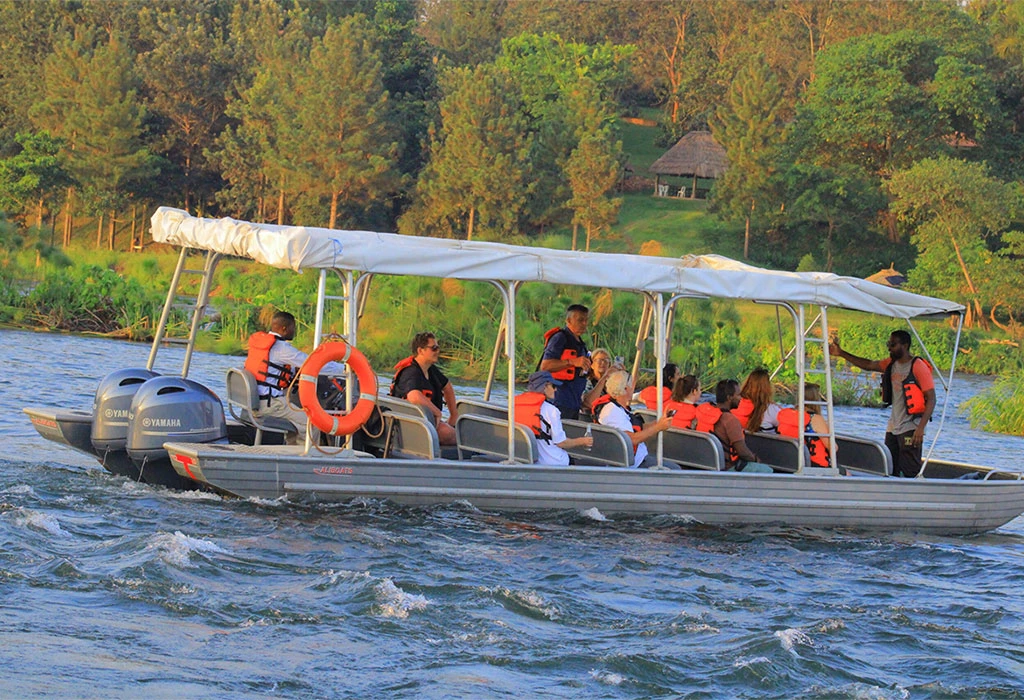
Standing at the actual point where the Nile leaves Lake Victoria is a genuinely moving moment on any Jinja Safari. A short boat ride takes visitors directly to this spot, marked by swirling currents where lake water transitions into river flow. Guides share the story of how nineteenth century explorers searched for decades before finally confirming this exact location.
The boat trip is relaxed and family friendly, lasting roughly one to two hours depending on the operator and route chosen. Along the way you may spot fishing eagles, cormorants and other birdlife perched along the shoreline. Many visitors combine this excursion with a stop at nearby islands or a quiet fishing village to round out their Jinja Safari morning.
Bungee Jumping at the Nile High Platform
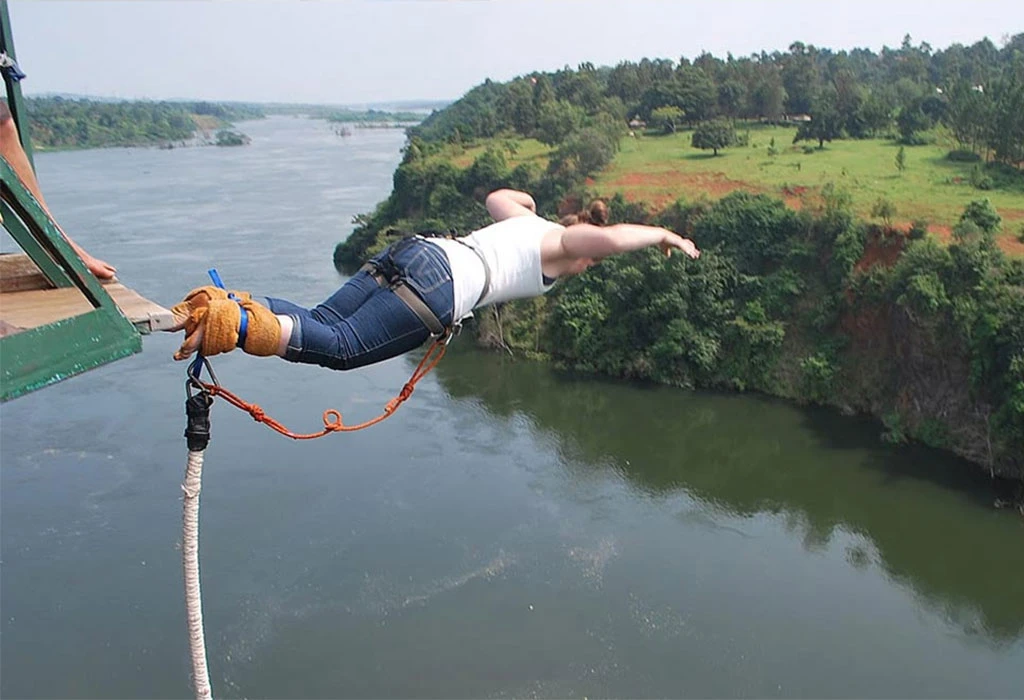
For travelers who want a single burst of pure adrenaline, the Nile High bungee platform delivers exactly that during a Jinja Safari. Perched above the riverbank, the jump sends participants plunging toward the water below with sweeping views of the Nile valley stretching out in every direction. Certified staff manage all equipment checks and safety protocols before every jump.
Many jumpers choose the water touch option, where the cord is calibrated so their hands or head briefly skim the river surface at the bottom of the drop. Age and weight restrictions apply, and staff will explain these clearly during booking. Photography and video packages are usually available on site, letting you relive this Jinja Safari highlight long after the leap.
Jinja Central Market
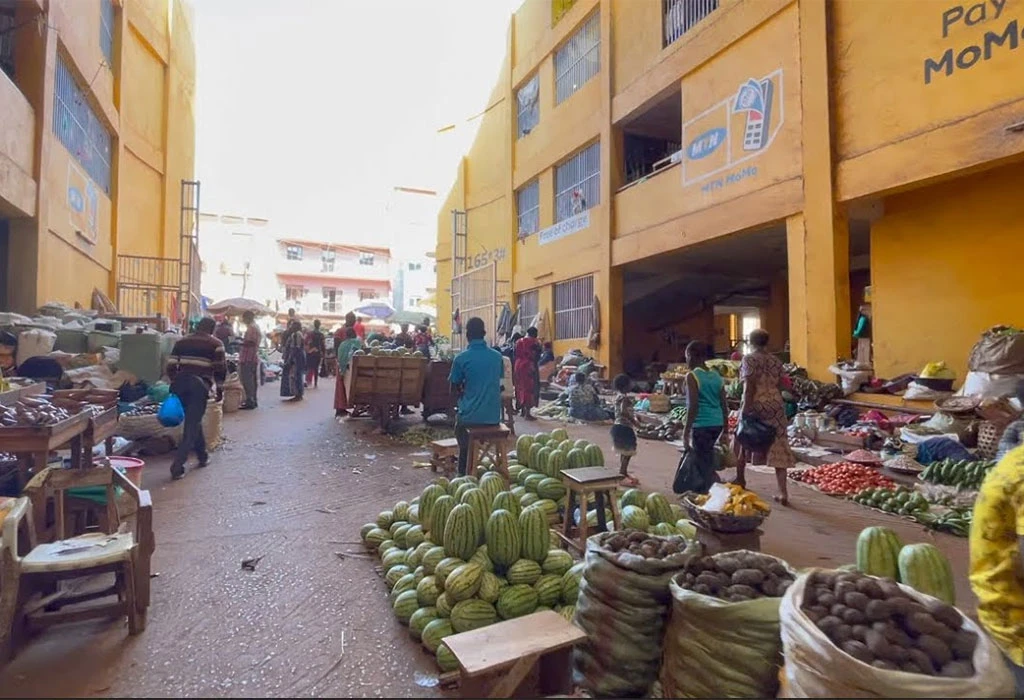
A visit to Jinja’s central market offers an entirely different but equally rewarding kind of experience on a Jinja Safari. Rows of vendors sell fresh produce, spices, woven baskets, fabrics and handcrafted souvenirs, creating a sensory introduction to daily Ugandan life. Bargaining is expected and welcomed, and a friendly conversation often opens the door to genuine local recommendations.
Set aside an hour or two to wander slowly rather than rushing through. Vendors are generally happy to explain what they are selling, where produce comes from, and how traditional crafts are made. This market visit pairs naturally with a broader Jinja town tour, giving travelers a grounded, authentic counterpoint to the adrenaline heavy activities found elsewhere in town.
Quad Biking Through the Countryside
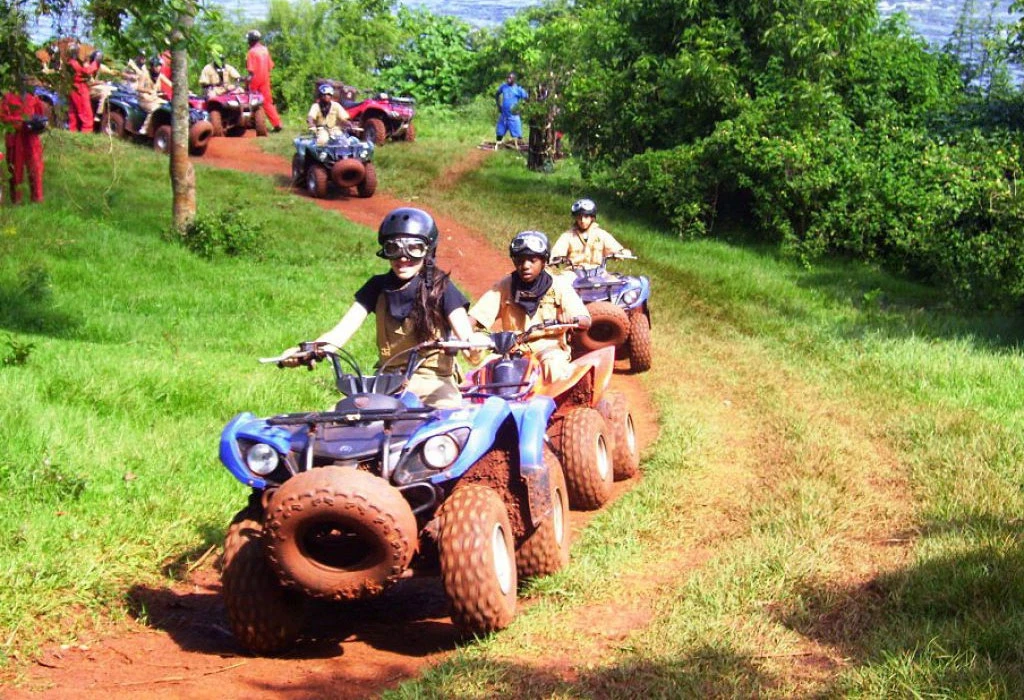
Quad biking opens up parts of the countryside that river based activities on a Jinja Safari simply cannot reach. Riders follow winding dirt tracks through sugarcane fields, small villages and forested patches, with guides leading the way and adjusting pace for different skill levels. No prior experience is required, since most operators run a short training session before setting off.
The terrain varies from smooth open paths to bumpier sections that add a genuine sense of adventure without becoming dangerous for beginners. Sunset quad biking tours are especially popular, timed so riders reach a scenic viewpoint just as the sky turns orange over the Nile valley. Bring a scarf or bandana, since the route can get dusty during drier months.
Speke Memorial Site
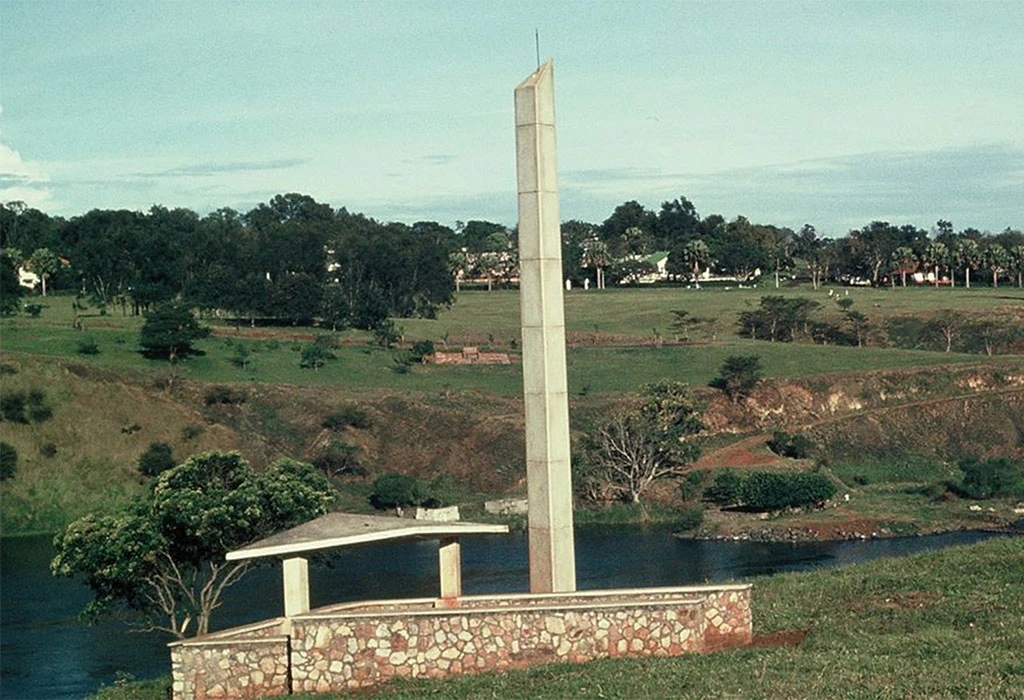
History enthusiasts should not skip the Speke Memorial during a Jinja Safari, dedicated to explorer John Hanning Speke, who confirmed this location as the source of the Nile back in 1862. The modest monument sits near the riverbank and offers context that deepens appreciation for everything else the town has to offer beyond its adventure sports reputation.
Guides at the site often share additional detail about the rivalry between competing nineteenth century explorers who raced to claim credit for the discovery. It is a quick stop, usually combined with the Source of the Nile boat trip, but it rewards travelers who enjoy understanding the deeper backstory behind the places they visit during their Jinja Safari.
Bujagali Falls
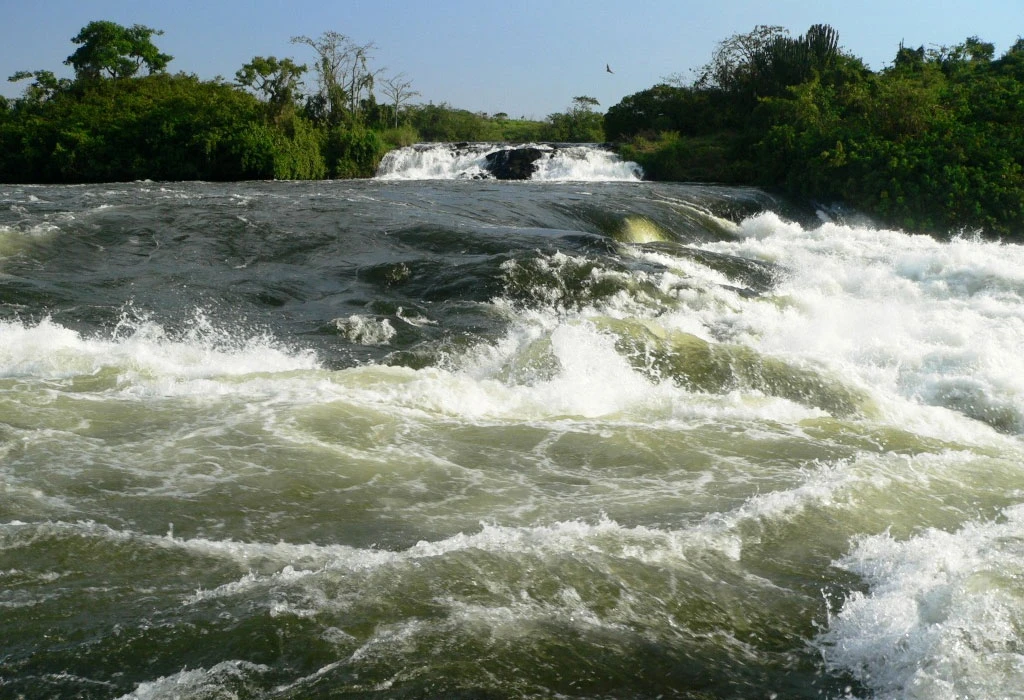
Although the original rapids were altered by a hydroelectric dam, Bujagali Falls remains one of the most scenic and relaxing stops on any Jinja Safari. Thick vegetation frames the flowing water, and the surrounding area makes an ideal picnic location for families or couples wanting a quieter break between more strenuous activities. The gentle roar of water creates a calming atmosphere.
Nature walks around Bujagali reveal local plant life, birds and the occasional monkey moving through the trees. Several riverside cafes and lodges overlook the falls, making it easy to combine sightseeing with a relaxed meal. Sunset visits are particularly popular, as the changing light over the water produces some of the most photogenic moments of an entire Jinja Safari.
Kagulu Hill Rock Climbing and Hiking
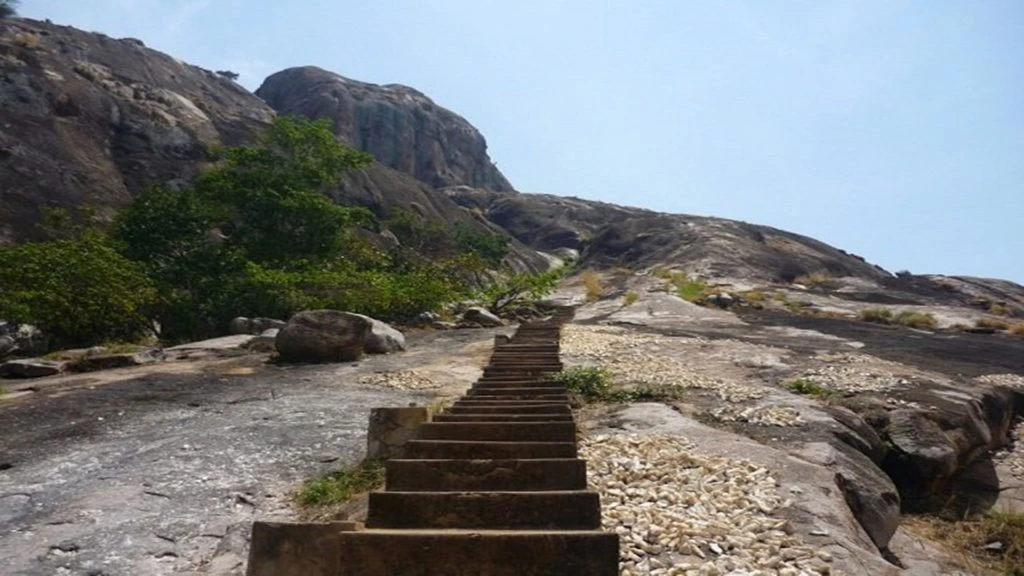
Rising roughly three thousand five hundred feet above sea level, Kagulu Hill rewards hikers on a Jinja Safari with sweeping panoramic views across the town and surrounding Busoga countryside. The climb suits reasonably fit travelers and does not require technical climbing experience, though sturdy footwear is strongly recommended given the rocky, sometimes uneven terrain along the ascent.
Local guides typically lead the hike, pointing out landmarks, cultural sites and legends tied to the hill along the way. Morning climbs avoid the strongest midday heat and often reward hikers with clearer skies for photography. Pack water, sun protection and a camera, since the summit view genuinely ranks among the best vantage points available on any Jinja Safari.
Busowoko Falls
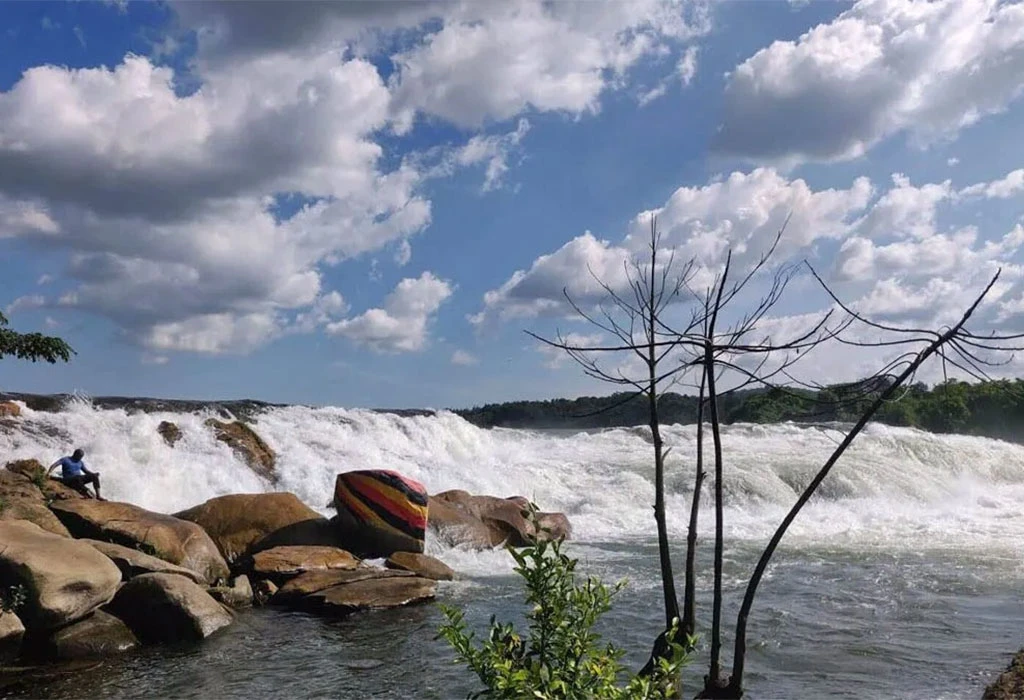
Busowoko Falls offers a quieter, more contemplative alternative to the busier attractions on a typical Jinja Safari. Tucked away from the main tourist circuit, this waterfall rewards travelers willing to venture slightly off the beaten path with a peaceful setting ideal for reflection and gentle walking. Few crowds gather here, making it a favorite among travelers seeking solitude.
The surrounding forest adds to the tranquil mood, with birdsong and rustling leaves accompanying the steady sound of falling water. Local guides can arrange transport and walking routes to the falls, often combining the visit with nearby community experiences. Bring appropriate footwear, since paths can be uneven, and allow a couple of hours to fully enjoy this quieter side of your Jinja Safari.
Horseback Safari Along the Nile
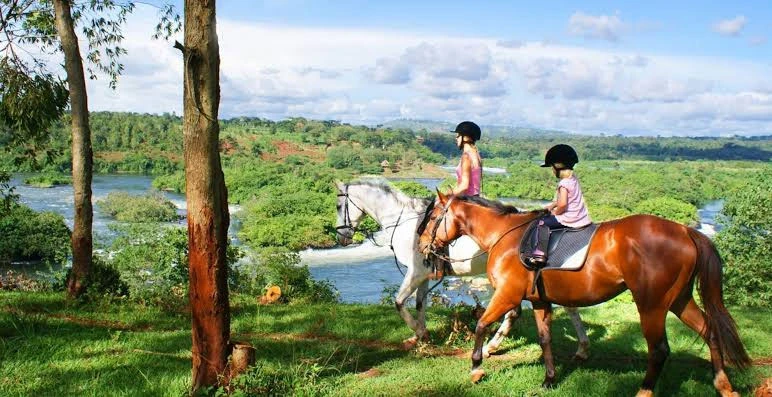
Exploring the countryside on horseback offers a genuinely different perspective within a Jinja Safari. Trails wind through rural villages, farmland and riverside vegetation, giving riders a slower, more intimate encounter with everyday Busoga life than most vehicle based tours can provide. Both experienced riders and complete beginners are welcomed, with trained horses suited to every skill level.
Rides typically last between one and three hours, depending on the route chosen and rider stamina. Guides often stop at scenic viewpoints along the Nile, allowing time for photographs and quiet observation of the river below. Horseback riding pairs particularly well with a relaxed afternoon schedule, offering a calmer contrast to the adrenaline fueled activities found elsewhere on a Jinja Safari.
Mabira Forest Birdwatching and Nature Walks
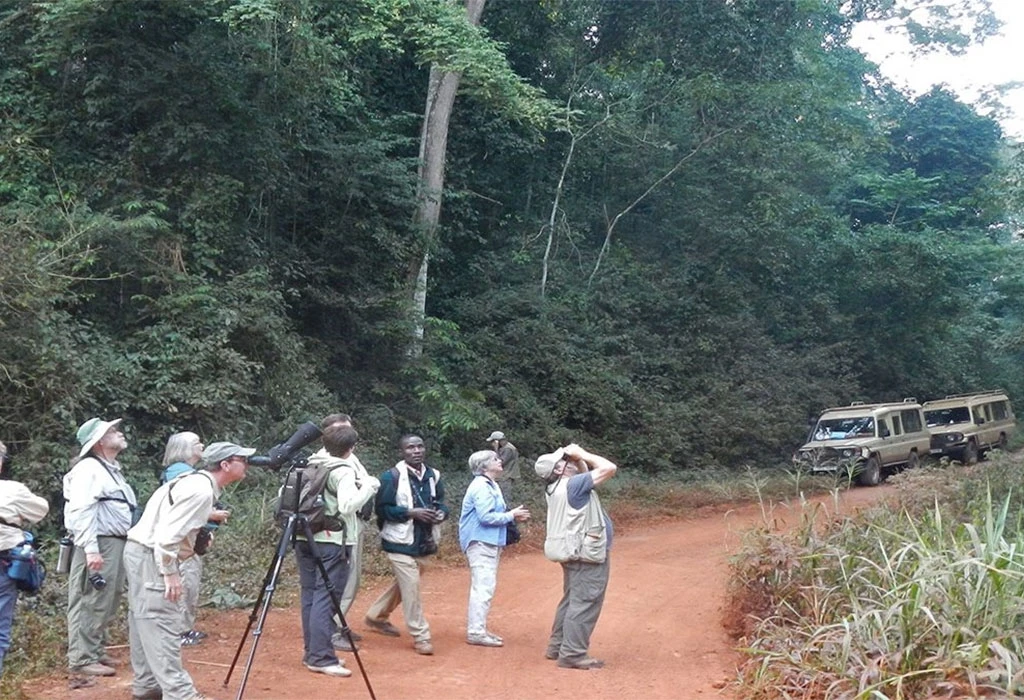
A short drive from central Jinja, Mabira Central Forest Reserve stands as one of Uganda’s most significant remaining tracts of tropical forest and a rewarding detour on any Jinja Safari. Guided nature walks lead visitors through dense canopy where over three hundred bird species have been recorded, offering some of the finest birdwatching found anywhere near the river.
Species worth watching for in Mabira Forest:
- Great Blue Turaco. A large, strikingly colored bird that moves through the upper canopy and is a favorite sighting among visiting birders.
- African Grey Parrot. Known for its intelligence and distinctive call, this species draws dedicated birdwatchers from around the world.
- Various sunbirds and hornbills. Smaller, brightly colored species that reward patient observers with close up views along quieter forest trails.
Beyond birds, Mabira supports primates, butterflies and an impressive range of plant life, making it a rewarding stop for general nature lovers as well as dedicated twitchers. Trails range from short accessible loops to longer hikes for more committed walkers. Early morning visits typically yield the best results for anyone adding birdwatching to their Jinja Safari.
Sunset Cruise on the Nile
Few experiences capture the romantic side of a Jinja Safari quite like a sunset cruise along the Nile. Boats depart in the late afternoon, drifting slowly as the sky shifts through shades of orange, pink and deep gold above the water. Many cruises include drinks and light snacks, turning the outing into a relaxed social event as much as a scenic river tour.
Wildlife sightings along the banks are common, including fish eagles circling overhead and monitor lizards basking on rocks near the shoreline. Couples frequently choose sunset cruises for anniversaries or honeymoon celebrations, while families appreciate the gentle pace after a day of more active pursuits. Booking ahead is recommended during peak months, since popular boats fill quickly.
SDM Mandir Hindu Temple Visit
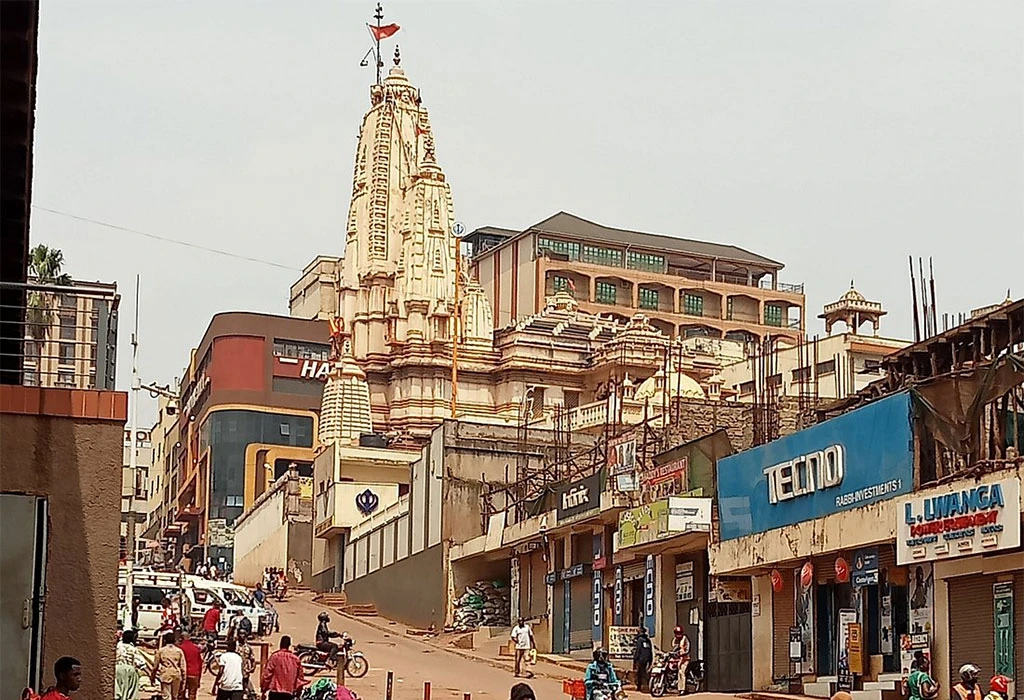
The multicultural history behind a Jinja Safari comes into sharp focus at the SDM Mandir Hindu Temple, a striking structure that reflects the significant historical presence of the Indian community in this part of Uganda. The temple welcomes respectful visitors interested in its architecture, symbolism and ongoing role as an active place of worship for the local community.
A visit here typically takes less than an hour but adds meaningful cultural depth to a Jinja Safari otherwise focused on outdoor adventure. Modest dress is appreciated when entering the grounds, and visitors are encouraged to move quietly and respectfully. This stop pairs well with a broader town tour covering the market, colonial architecture and other cultural landmarks nearby.
Ziplining at Griffin Falls
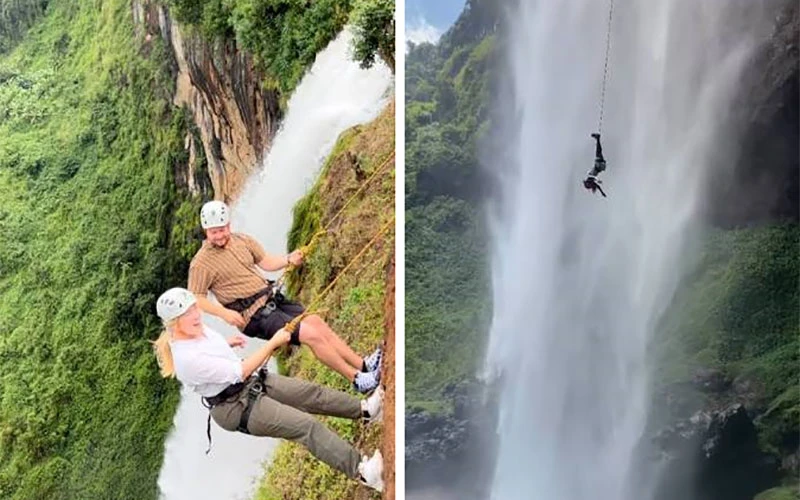
Griffin Falls offers one of the most exhilarating vantage points found on any Jinja Safari through its network of zipline courses. Riders soar above the forest canopy with sweeping views of the falls, the surrounding valley and, on clear days, glimpses of the Nile snaking through the landscape far below the elevated cable line stretching between platforms.
Multiple zipline stages of varying length and height are typically available, allowing both nervous first timers and thrill seeking repeat visitors to find a suitable challenge. Trained staff handle all harness fitting and safety checks before every run. Many visitors combine ziplining with a short hike or picnic near the falls, extending the outing into a fuller half day adventure.
Water Bicycle Riding on the Nile
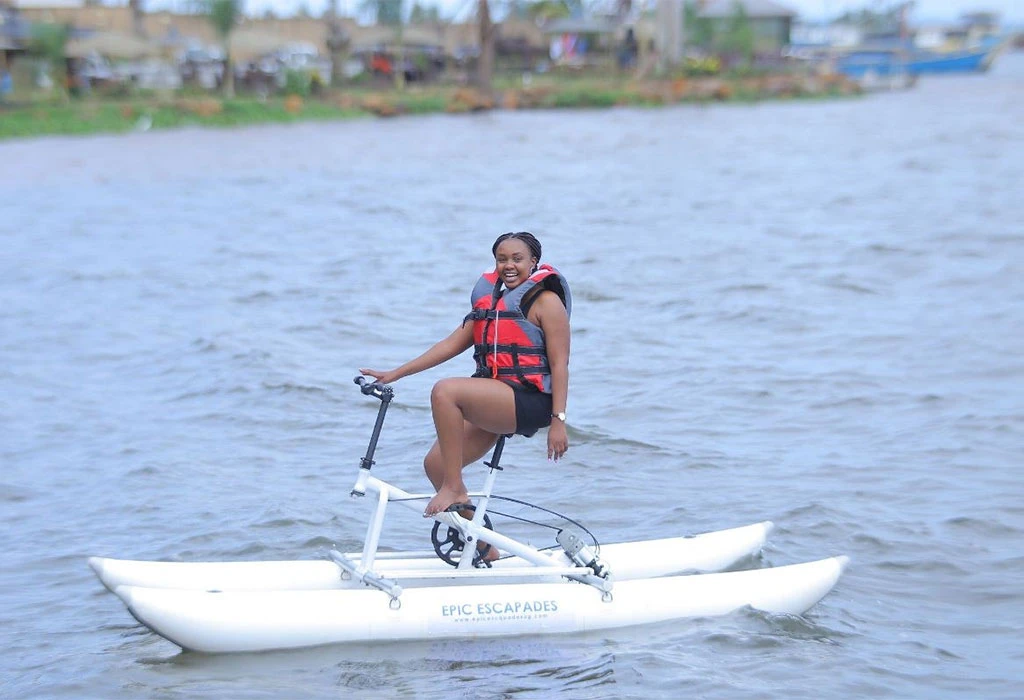
Water bicycling stands out as one of the more unusual and playful additions to a Jinja Safari. Riders pedal specially designed floating bicycles across calmer stretches of the Nile, combining light exercise with a genuinely novel way of experiencing the river up close. The activity suits families, groups of friends and anyone looking for something lighthearted after intense adventure sports.
Calm water sections near the shoreline make this accessible even for riders with limited balance or swimming confidence, though life jackets are always provided as a precaution. Sessions typically run for thirty minutes to an hour, giving riders enough time to explore nearby coves and enjoy unobstructed views of the surrounding landscape from a completely different angle.
Kayaking on the Nile
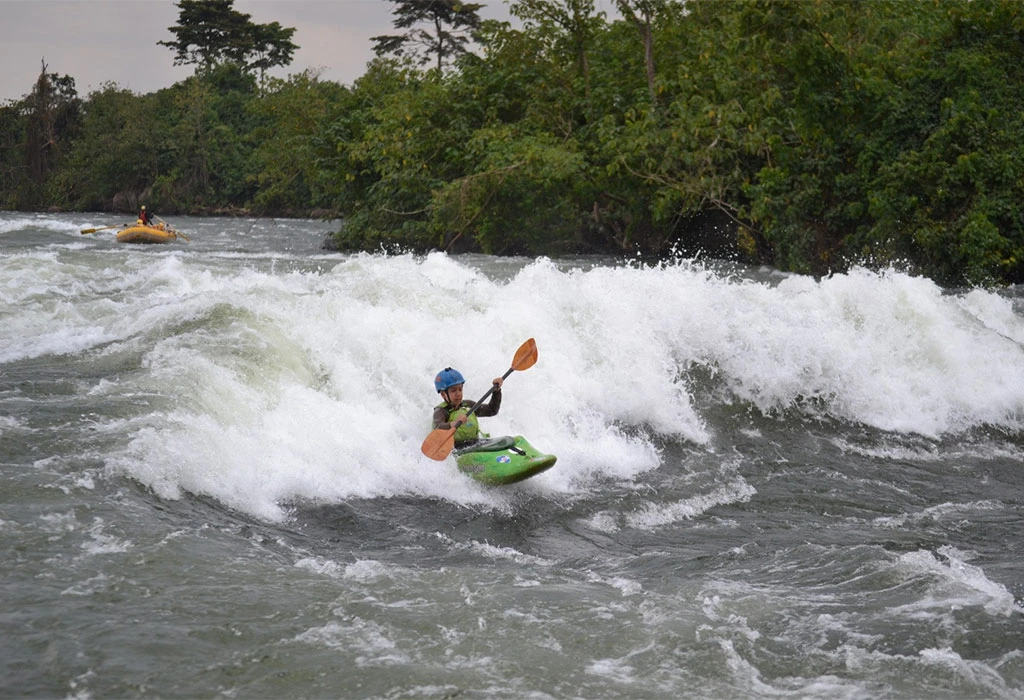
Kayaking offers one of the most personal and flexible ways to engage with the river during a Jinja Safari, suited equally to complete beginners and experienced paddlers. Guided sessions cover calmer stretches, allowing newcomers to build confidence before progressing toward gentler rapids if desired. Instructors provide thorough safety briefings and remain close by throughout every session.
More advanced kayakers can arrange trips through livelier sections of the river for an added physical challenge, while beginners can simply enjoy paddling at their own relaxed pace through calm channels lined with vegetation. Half day and multi day kayaking packages both exist, making it easy to fit this activity into almost any Jinja Safari travel schedule or budget.
Gandhi Statue and Memorial Garden
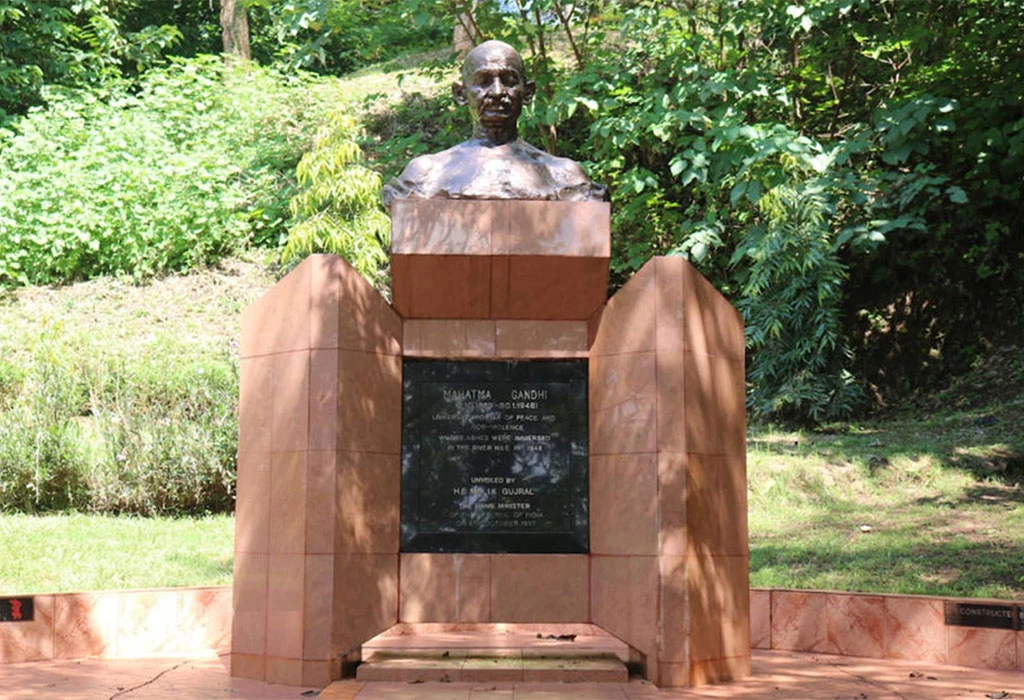
A quiet counterpoint to the louder adventure activities on a Jinja Safari, the Gandhi Statue commemorates the historical connection between Mahatma Gandhi and this part of Uganda, where a portion of his ashes were scattered into the Nile following his passing. The peaceful memorial garden surrounding the statue invites quiet reflection on themes of peace and unity.
Visitors often pause here for a few quiet minutes rather than a lengthy stop, appreciating the contrast between this reflective space and the adrenaline heavy activities found throughout the rest of town. The site is easily combined with a walking tour of central Jinja, sitting conveniently close to other cultural landmarks worth including in your Jinja Safari.
Guided Sport Fishing on the Nile
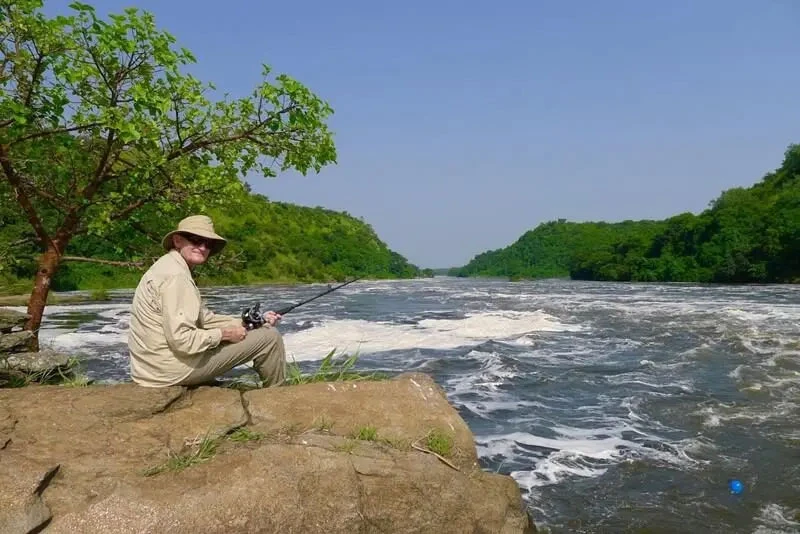
The Nile around Jinja holds a well earned reputation among anglers for its healthy populations of Nile Perch and Tilapia, drawing sport fishing enthusiasts to add a fishing day onto their Jinja Safari. Guided trips include boats, tackle and experienced local guides who know exactly where fish tend to gather depending on the season, water level and time of day.
Catch and release practices are commonly encouraged to protect fish populations for future visitors, though guides can arrange a fresh catch cookout on request. Full day and half day charters are both available, suiting serious anglers chasing a personal best as well as casual travelers simply looking to spend a relaxed morning out on the water with rod in hand.
Itanda Falls Cultural Experience
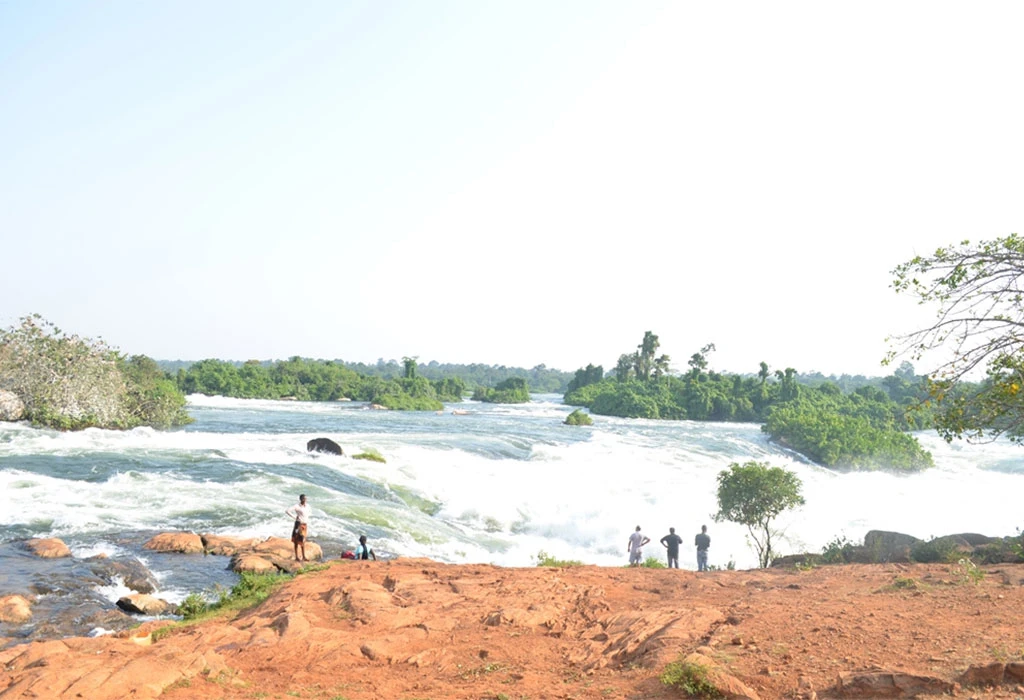
Itanda Falls combines dramatic natural scenery with meaningful cultural exchange, making it one of the more memorable half day trips on a Jinja Safari. The powerful rapids here are considered too dangerous for rafting but make for spectacular viewing from safe elevated platforms along the riverbank, with community guides sharing traditional stories, songs and customs along the way.
Local cultural performances sometimes accompany visits, giving travelers insight into Busoga traditions through music and dance rather than observation alone. The falls themselves are genuinely powerful to witness, with churning white water crashing through narrow rocky channels. Photography opportunities are excellent here, particularly during golden hour when light catches the spray rising from the rapids below.
Ssezibwa Falls Day Trip
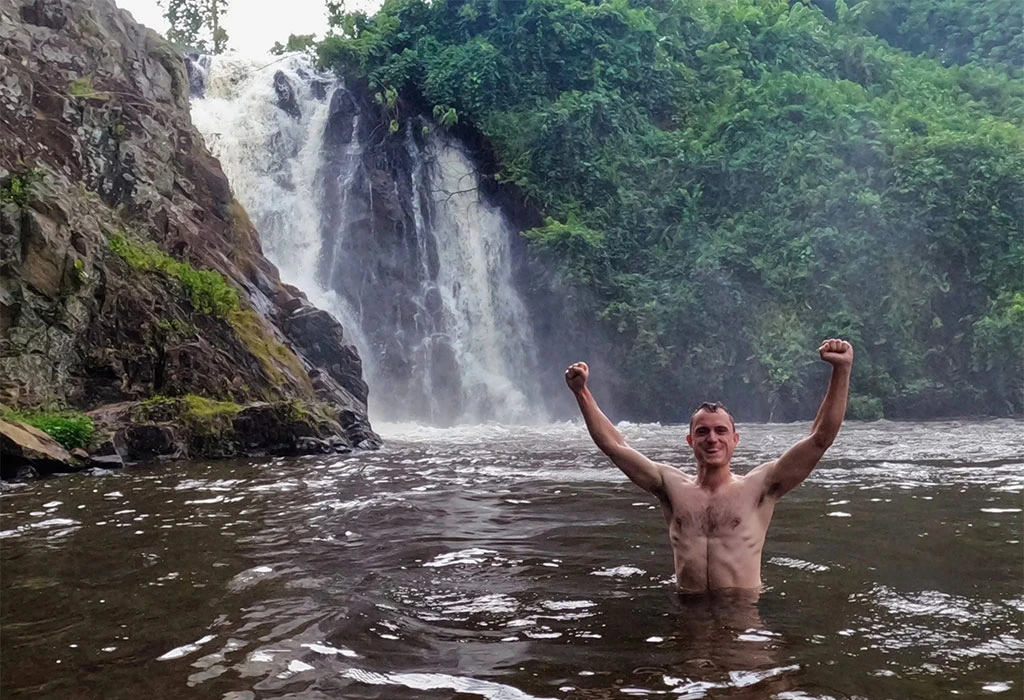
Slightly further afield but well worth the detour, Ssezibwa Falls holds deep spiritual significance for many Ugandans and remains an active site for traditional ceremonies, making it a meaningful addition to a longer Jinja Safari. The falls are visually striking, framed by lush vegetation and rocky outcrops, and visitors can swim in designated safe areas beneath the cascading water.
Local guides share the mythology and cultural importance attached to the site, adding meaningful context beyond simple sightseeing. The surrounding grounds include walking paths, picnic spots and small craft stalls run by nearby community members. This half day excursion works well combined with other cultural stops, rounding out a Jinja Safari with genuine local depth and history.
Kyabazinga Royal Palace and Igenge Hill
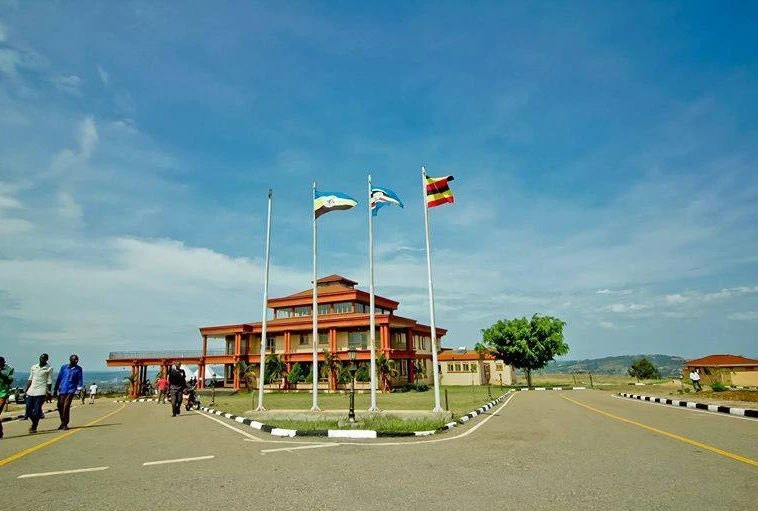
Understanding a Jinja Safari fully means understanding the Busoga Kingdom, and a visit to the Kyabazinga Royal Palace on Igenge Hill offers exactly that opportunity. Guides explain the structure of traditional leadership, the role of the Kyabazinga as king, and how this cultural institution continues functioning alongside modern Ugandan governance in the present day.
Igenge Hill itself provides sweeping views over Jinja town and the surrounding countryside, making the climb worthwhile even beyond the cultural content covered during the visit. Photography is generally welcomed in designated areas, though visitors should follow guide instructions regarding respectful behavior around palace grounds. This stop suits travelers with a genuine interest in Ugandan history and governance.
Tubing Down the Nile
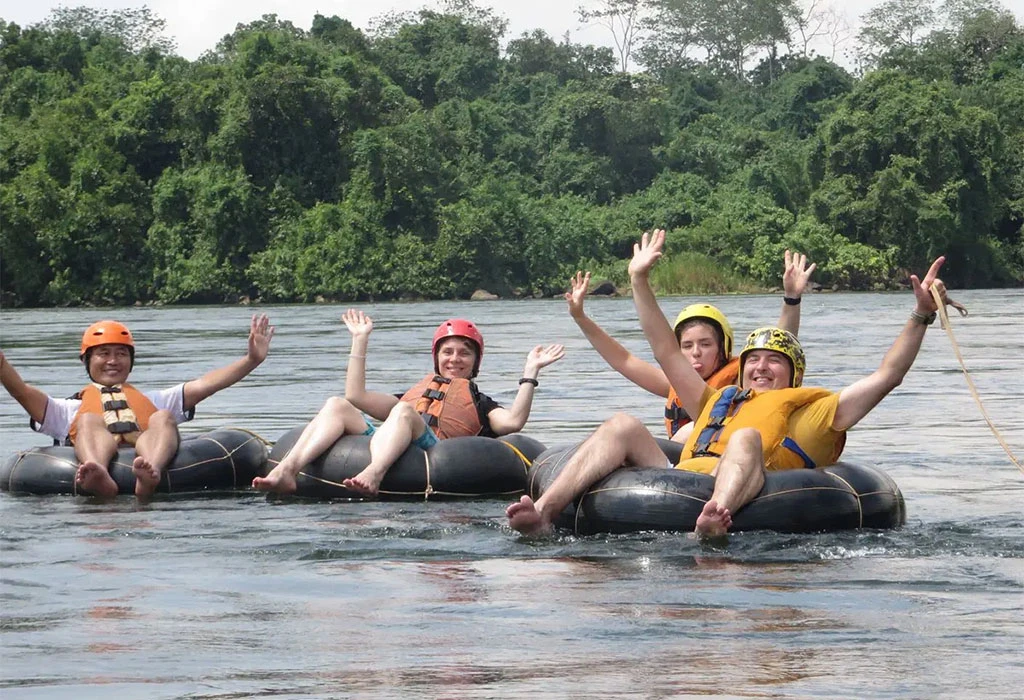
For travelers wanting the sensation of the river without the intensity of full rafting, tubing offers a relaxed and genuinely fun alternative for a Jinja Safari. Large inflated tubes carry riders gently along calmer stretches of the Nile, with guides accompanying the group to manage pacing and point out interesting sights along the passing riverbanks throughout the leisurely float.
This activity suits families with older children, groups of friends looking for a lighthearted afternoon, and anyone recovering from a more strenuous adventure earlier in their trip. Sun protection is essential, since tubing sessions can run for an hour or more with direct sun exposure. Cold drinks are often available at the finish point to celebrate the float.
Jinja Town Walking Tour
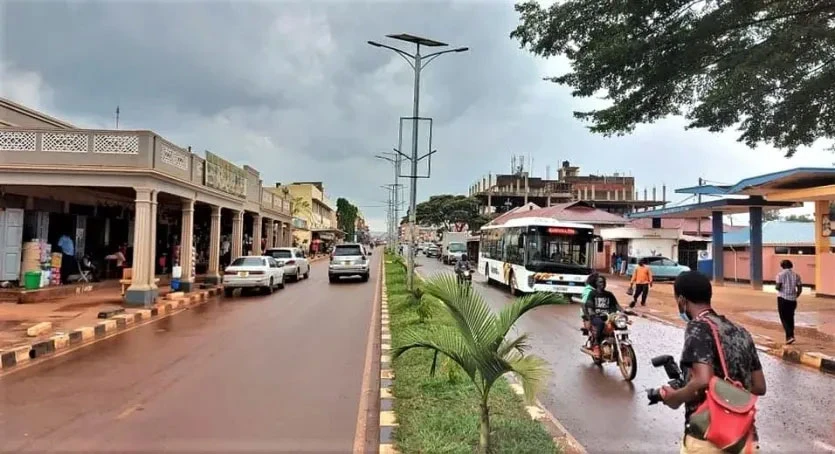
Beyond its river based attractions, Jinja itself rewards a dedicated walking tour as part of any Jinja Safari. Colonial era architecture lines several central roads, offering a visual record of the town’s development throughout the twentieth century. The central market, craft shops and the historic Jinja Railway Bridge all feature prominently on most guided town tour itineraries available today.
A knowledgeable local guide adds considerable value here, explaining the significance of specific buildings and neighborhoods that might otherwise go unnoticed by first time visitors. Comfortable walking shoes are recommended, since tours typically cover several kilometers across the town center. Most walking tours last two to three hours and combine naturally with a market visit or temple stop.
Nile Brewery Tour
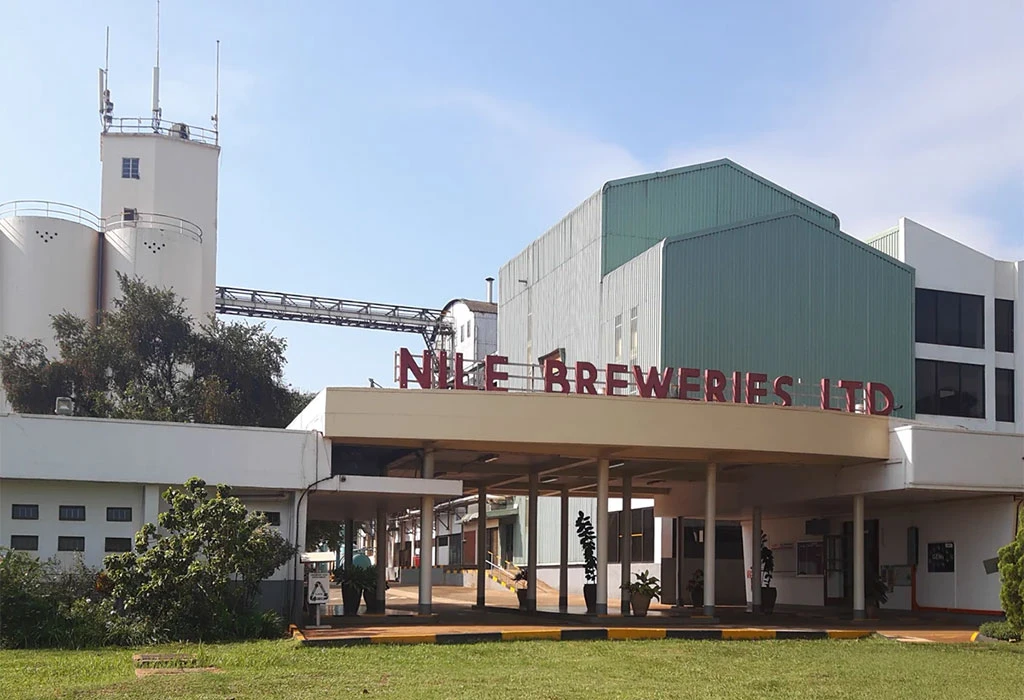
Beer enthusiasts and curious travelers alike enjoy touring the Nile Brewery as a relaxed break within a Jinja Safari, home of Uganda’s well known Nile Special beer. Guides walk visitors through the brewing process from raw ingredients to finished product, explaining the history of the brewery and its significance within Uganda’s broader beverage industry, with tastings following the tour.
This activity offers a relaxed, indoor counterpoint to the outdoor adventure activities dominating most Jinja Safari itineraries. It works particularly well as a late afternoon stop, allowing visitors to unwind after a physically demanding morning of rafting, quad biking or hiking. Group bookings are common, and the tour generally lasts around one hour including the closing tasting session.
Best Time to Visit for a Jinja Safari
Jinja welcomes visitors throughout the year, though certain seasons suit particular activities better than others. The drier months, roughly December through February and June through September, generally offer the most comfortable conditions for hiking, quad biking and outdoor cultural visits, with lower rainfall and firmer trail conditions across the surrounding countryside and hillside areas.
A quick seasonal breakdown for planning your Jinja Safari:
- December to February. Warm, mostly dry weather suits hiking, quad biking and outdoor cultural stops without significant rain interruptions.
- March to May. Heavier rains can affect trail conditions, though rafting remains largely unaffected thanks to consistent Nile water levels.
- June to September. A second dry stretch, often considered the most popular window for a Jinja Safari alongside gorilla trekking further west.
- October to November. Shorter rains return, bringing lush green scenery and generally smaller crowds across most attractions.
Rafting remains possible year round, since Nile water levels stay relatively consistent thanks to controlled outflow from Lake Victoria and upstream dam management. Rainy seasons can occasionally affect visibility and slightly alter rapid intensity, but rarely cancel trips outright. Always confirm current conditions directly with your tour operator when booking your Jinja Safari.
Getting to Jinja from Kampala and Entebbe
Jinja sits roughly eighty kilometers east of Kampala, making a Jinja Safari an easy addition to almost any Uganda itinerary. Private transfer typically takes around two hours depending on traffic conditions leaving the capital. Shared shuttles and public transport options also exist for budget conscious travelers, though private transfer offers considerably more comfort and flexibility for scheduling activities.
Travelers flying into Entebbe International Airport can arrange direct transfer to Jinja, bypassing central Kampala traffic entirely on certain routes. This option often saves time and reduces overall travel fatigue, particularly for visitors arriving on long international flights. Many tour operators, including full service safari companies such as Iconic Africa Safaris, offer this transfer as part of a broader packaged itinerary.
Where to Stay During a Jinja Safari
Accommodation for a Jinja Safari spans every budget category imaginable, from simple backpacker hostels along the riverbank to comfortable mid range guesthouses and genuinely upscale lodges overlooking the Nile. Riverside properties tend to command premium pricing thanks to their views and proximity to rafting launch points, while town center options offer easier access to markets and restaurants.
Booking ahead is strongly recommended during peak travel seasons, particularly around major holidays when both domestic and international visitor numbers climb sharply. Many properties also offer package deals bundling accommodation with activities like rafting, quad biking or sunset cruises, often at meaningfully better value than booking each element separately through multiple local operators.
Sample Two Day Jinja Safari Itinerary
Day one typically opens with full day white water rafting on the Nile, covering the major named rapids with a hot lunch break included midway through the trip. Evening brings a relaxed dinner along the riverbank, often followed by live music at one of the popular backpacker bars scattered throughout Jinja’s compact and welcoming town center area.
Day two shifts toward calmer pursuits, beginning with a Source of the Nile boat excursion followed by a visit to the Speke Memorial and Gandhi Statue. Afternoon options include a Jinja town walking tour or Nile Brewery tour, wrapping up with a peaceful sunset cruise before departure back toward Kampala or onward travel elsewhere in Uganda.
Sample Three Day Jinja Safari Itinerary
With an extra day available, travelers can slow the pace considerably while still covering the headline stops on any Jinja Safari. Day one remains dedicated to rafting, while day two adds quad biking through the countryside alongside a stop at Bujagali Falls for a relaxed picnic lunch surrounded by scenic vegetation and flowing water.
Day three opens space for cultural depth, including visits to the Kyabazinga Royal Palace, SDM Mandir Temple and central market, followed by an afternoon kayaking session on calmer river channels. This balanced structure mixes adrenaline, culture and relaxation across three full days, giving travelers a genuinely comprehensive Jinja Safari without feeling rushed.
Sample Five Day Jinja Safari Itinerary
A five day stay allows travelers to explore Jinja at a genuinely unhurried pace, incorporating further destinations like Mabira Forest, Itanda Falls and Ssezibwa Falls alongside the core rafting, cultural and cruise activities already covered. This extended schedule suits birdwatchers, photographers and travelers wanting deeper cultural engagement rather than a quick highlights only visit.
Consider spacing high energy days like rafting, ziplining and quad biking between calmer days focused on cultural visits, boat trips and nature walks. This pacing prevents fatigue while still delivering the full spectrum of experiences within a Jinja Safari. Many travelers combine this longer stay with onward travel toward Uganda’s national parks for gorilla trekking or wildlife safaris.
Budgeting for a Jinja Safari
A Jinja Safari suits a wide range of travel budgets, which is part of why it draws such a diverse mix of visitors each year. Backpackers can comfortably combine hostel accommodation, shared transport and a single splurge activity like rafting for a genuinely rewarding trip without overspending. Mid range and luxury travelers can layer in private transfers, riverside lodges and multiple guided excursions.
A rough sense of what shapes your Jinja Safari budget:
- Accommodation choice. Hostels sit at the lower end, while riverside lodges and luxury properties command significantly higher nightly rates.
- Activity selection. Full day rafting, ziplining and horseback riding cost more than shorter stops like the Gandhi Statue or Speke Memorial.
- Transport method. Private transfers cost more than shared shuttles but save considerable time and add flexibility to your schedule.
- Bundled packages. Booking several activities through a single tour operator often reduces overall cost compared with separate bookings.
Always clarify exactly what a quoted price includes before booking any part of your Jinja Safari. Transport, meals, equipment rental, guide fees and photography services sometimes come bundled together and sometimes carry separate charges depending on the operator. A reputable safari company will provide a clear, itemized breakdown upfront, removing unwelcome surprises once you arrive.
Responsible and Sustainable Tourism on a Jinja Safari
Jinja’s tourism economy supports thousands of local families, from raft guides and boat operators to market vendors and craft makers. Choosing operators who employ local staff, pay fair wages and reinvest in community projects helps ensure this economic benefit continues reaching the people who call the region home, rather than flowing entirely to outside investors and distant shareholders.
Environmental responsibility matters here too, particularly given how central the Nile River is to nearly every major activity on a Jinja Safari. Avoid leaving litter along riverbanks or hiking trails, use reef safe sunscreen where possible near sensitive waterways, and follow guide instructions around wildlife viewing distances. Companies committed to responsible travel practices make a genuine difference here.
Cultural sites like the Kyabazinga Royal Palace, SDM Mandir Temple and Ssezibwa Falls carry genuine spiritual and historical weight for local communities. Approaching these places with respectful curiosity rather than treating them purely as photo opportunities enriches the visitor experience while honoring the significance these sites hold for the people who have maintained and protected them across many generations.
Combining Jinja with Other Uganda Safari Destinations
A Jinja Safari works beautifully as either a standalone adventure break or as one stop within a broader Uganda itinerary. Many travelers pair Jinja with Murchison Falls National Park to the north, combining river adventure with classic wildlife game drives and boat cruises beneath one of Africa’s most powerful waterfalls along the same Nile system.
Others extend their journey toward Queen Elizabeth National Park or the chimpanzee filled forests of Kibale Forest National Park, creating a well rounded trip that blends adrenaline, wildlife and culture. Gorilla trekking in Bwindi Impenetrable Forest also pairs naturally with a Jinja stopover for travelers building a longer itinerary.
Travelers wanting the two experiences combined into one seamless trip can look at packages such as the white water rafting and gorilla trekking safari or the 11 day gorillas, chimps and white water rafting safari, both of which fold a Jinja Safari directly into a wider primate and wildlife journey across Uganda.
Because Jinja sits relatively close to Kampala and Entebbe, it fits efficiently into itineraries of almost any length without requiring extensive additional travel time. A well planned route might open with a couple of adventure filled days on a Jinja Safari before heading west toward national parks, or close a longer trip with a relaxing final stretch along the Nile before departure.
Safety Considerations for a Jinja Safari
Reputable operators running a Jinja Safari maintain strong safety records across rafting, bungee jumping, ziplining and other high energy activities, but travelers should still confirm certification, equipment quality and guide experience before booking. Ask about safety briefings, emergency procedures and staff to guest ratios, particularly for water based activities where currents and depth can vary significantly.
Practical safety pointers to keep in mind:
- Wear provided life jackets at all times during rafting, tubing, kayaking and water bicycle sessions, regardless of your personal swimming confidence.
- Confirm operator certification before booking bungee jumping, ziplining or rafting, since equipment quality varies considerably between providers.
- Protect against sun exposure during long outdoor sessions with sunscreen, a wide brimmed hat and regular hydration breaks.
- Carry travel insurance covering adventure sports, since standard policies sometimes exclude activities like rafting and bungee jumping.
Swimmers and non swimmers alike should wear provided life jackets at all times during river activities, regardless of personal confidence in the water. Sun exposure poses a genuine risk during long outdoor sessions, so sunscreen, hats and adequate hydration matter throughout the day. Confirming these details in advance keeps your Jinja Safari both exciting and genuinely safe.
What to Pack for a Jinja Safari
Lightweight, quick drying clothing suits Jinja’s warm climate and water based activities particularly well. Pack swimwear, a light rain jacket for unexpected showers, sturdy closed toe shoes for hiking and market walks, and sandals suited to wet conditions during rafting or tubing sessions. A reusable water bottle and refillable sunscreen also earn their place in any Jinja Safari packing list.
Essential items worth including:
- Quick drying swimwear for rafting, tubing, kayaking and water bicycle sessions throughout your trip.
- Sturdy closed toe shoes for hiking Kagulu Hill, walking through Mabira Forest and exploring the town center.
- A waterproof bag or phone case to protect electronics during river based activities and unexpected rain showers.
- Modest clothing for respectful visits to the Hindu temple, royal palace and other cultural sites nearby.
Bring a dry bag or waterproof phone case if you plan to photograph rafting or kayaking sessions personally, since most operators supply their own photography service but personal shots add valuable memories too. A light sweater covers cooler evening temperatures during sunset cruises, rounding out a practical packing list for any Jinja Safari.
Frequently Asked Questions About a Jinja Safari
Is white water rafting on a Jinja Safari safe for beginners?
Yes, reputable operators run beginner friendly sections alongside more advanced rapids, with thorough safety briefings and experienced guides accompanying every trip. Life jackets and helmets are provided throughout, and rafts typically carry a trained guide steering and instructing paddlers, making the activity accessible to most reasonably fit adults and older children.
How many days should I spend on a Jinja Safari?
Two days covers the core highlights including rafting and a Nile cruise, while three to five days allows travelers to add cultural visits, waterfalls, quad biking and Mabira Forest without feeling rushed. Your ideal length depends on how many activities interest you and whether you plan onward travel toward Uganda’s national parks.
What is the best month for a Jinja Safari?
Rafting and river activities run year round thanks to consistent Nile water levels, though the drier months from December through February and June through September generally offer the most comfortable conditions for hiking, quad biking and outdoor cultural excursions across the wider Jinja countryside and surrounding hillside areas.
Can families with children enjoy a Jinja Safari?
Absolutely, though certain activities like advanced rafting rapids and bungee jumping carry age or weight restrictions. Families often enjoy tubing, water bicycling, calmer kayaking sections, sunset cruises, the Nile Brewery tour and cultural visits together, while older children and teens can typically join beginner rafting sections alongside their parents under guide supervision.
Is a Jinja Safari worth doing without white water rafting?
Yes, entirely. Jinja offers substantial cultural, historical and scenic value beyond rafting alone, including the Source of the Nile, royal palace, waterfalls, temple, market and multiple relaxed boat based activities. Travelers uninterested in adrenaline sports can still build a genuinely rewarding multi day Jinja Safari around the town’s calmer offerings.
Final Thoughts on Planning Your Jinja Safari
A Jinja Safari rewards travelers who arrive with an open itinerary and a willingness to mix adrenaline with reflection. Few destinations anywhere in East Africa pack this much variety into such a manageable geographic area, letting visitors move from powerful river rapids to quiet royal palace grounds within the same single day of genuinely well rounded travel.
Whether your priority is conquering the Nile’s famous rapids, tracing the footsteps of nineteenth century explorers, or simply relaxing on a golden hour river cruise, a Jinja Safari delivers a genuinely complete Ugandan travel experience. Proper planning, a trustworthy local operator and enough time to enjoy the pace makes all the difference in how memorable your visit ultimately becomes.
Ready to Book Your Jinja Safari with Iconic Africa Safaris?
Iconic Africa Safaris offers three simple, reliable ways to secure your next unforgettable Ugandan adventure today. Simply complete our quick online booking form to start planning your dream safari experience right away. Our friendly team also welcomes direct emails at info@iconicafricasafaris.com or info@gorillatrekug-rw.com to discuss your specific travel plans and preferences. For instant assistance, tap the green WhatsApp icon in your screen’s bottom right corner anytime.