
The Ultimate Kidepo Valley National Park Guide
Kidepo Valley National Park is Uganda’s most remote and least explored national park, yet it is widely regarded as one of the most breathtaking wilderness areas on the entire African continent. Tucked away in the far northeastern corner of the country, this rugged sanctuary rewards every traveler who makes the long journey with scenery, wildlife, and culture found nowhere else in Uganda.
Anyone searching for the ultimate Kidepo Valley National Park experience is really searching for untouched Africa, the kind of wilderness that existed before mass tourism arrived. Kidepo delivers golden savanna plains, dramatic mountain backdrops, free roaming big game, and communities whose traditions remain largely unchanged for generations. This guide brings together everything a traveler needs to plan a safari here.
Because Kidepo sits so far from Kampala and the more commonly visited southern and western circuits, it receives a fraction of the visitors that Queen Elizabeth or Murchison Falls National Park welcomes each year. That isolation is precisely what makes it special. Travelers who prioritize authenticity, solitude, and dramatic landscapes over convenience consistently rank Kidepo among their favorite safari destinations anywhere on the continent.
Where Is Kidepo Valley National Park Located
Kidepo Valley National Park is located in the semi arid valleys of the Karamoja subregion in northeastern Uganda. The park shares its northwestern boundary with South Sudan and lies just five kilometers from the Kenyan border to the east. This frontier position gives Kidepo a genuinely wild, borderland character that few other African parks can match.
The park sits roughly seven hundred kilometers from Kampala, Uganda’s capital city, which places it firmly among the most remote protected areas in the country. That distance is a major reason the park has remained so pristine, since large numbers of tour vehicles simply do not make the long overland trip. For most visitors, this remoteness quickly becomes part of the appeal rather than a drawback.
Kidepo covers approximately one thousand four hundred and forty two square kilometers of protected wilderness, spanning altitudes between nine hundred and fourteen meters and two thousand seven hundred and fifty meters above sea level. This dramatic elevation range creates varied habitats within a single park, from dry valley floors to forested mountain slopes, supporting an unusually diverse mix of wildlife and vegetation zones.
A Brief History of Kidepo Valley National Park
Kidepo Valley National Park was first gazetted as a national park in nineteen sixty two, making it one of Uganda’s older protected areas. Its establishment aimed to safeguard the unique semi arid ecosystem of Karamoja along with the large mammal populations that depended on the seasonal rivers running through the valley floor.
Since its founding, Kidepo has weathered periods of insecurity linked to cattle raiding and regional banditry that once made travel through Karamoja challenging for visitors. Conservation efforts by the Uganda Wildlife Authority, combined with improved regional stability, have transformed the park into a safe and increasingly celebrated safari destination for travelers seeking something beyond Uganda’s more familiar parks.
Today Kidepo stands as a true safari gem, boasting an incredible variety of big game, unique landscapes, and rich birdlife. It is home to over seventy seven mammal species and an impressive four hundred and seventy six recorded bird species, figures that place it among the richest wildlife areas anywhere in East Africa despite its comparatively small visitor numbers.
The Landscape of Kidepo Valley National Park
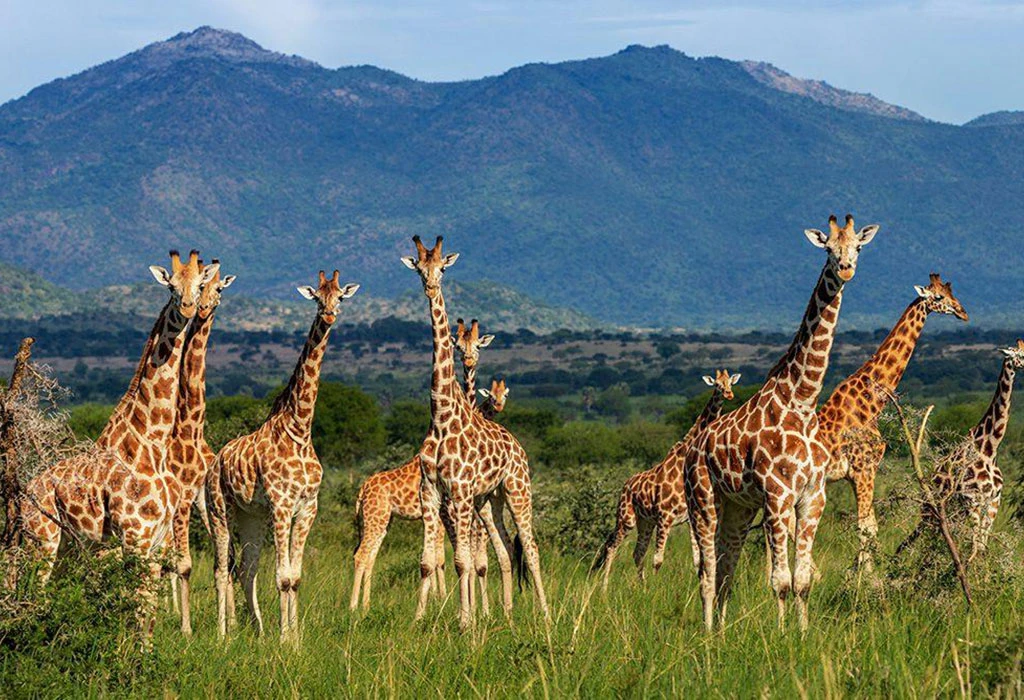
From Apoka, the area at the very heart of the park, the vast golden savanna extends far beyond the protected boundary, framed by distant mountain ranges that dominate every horizon. This sweeping, open scenery is often compared to the classic imagery of East African safari country, yet Kidepo delivers it with almost no other tourist vehicles in sight.
The park’s two main rivers, the Kidepo and the Narus, dry up completely during the harsh dry season, leaving behind scattered pools that become genuine lifelines for wildlife. Watching animals converge on these shrinking water sources during the dry months is one of the most dramatic and rewarding wildlife spectacles available anywhere in Uganda.
During the dry months, the Narus Valley becomes the park’s prime game viewing area, offering the only reliable water source for miles and drawing enormous concentrations of animals. Safari vehicles can spend an entire morning within a few kilometers of Apoka and still encounter more game than many larger, more famous parks manage to offer across a full day.
Mount Morungole rises dramatically along the park’s southern edge, home to the reclusive Ik community, while the Napore and Lonyili mountain ranges frame the eastern and northern boundaries. These peaks are not simply scenic backdrops. They shape local rainfall patterns, feed the seasonal rivers, and create the microclimates that support Kidepo’s remarkable range of habitats.
Beyond Narus, the wider Kidepo River valley stretches toward the South Sudan border, offering a wilder and even less visited section of the park. Riverine woodland lines the dry riverbed, providing shade and forage for elephants and buffalo even when surface water has vanished, and offering excellent opportunities for travelers seeking true off the beaten path exploration.
Apoka itself functions as the park’s tourism hub, home to the headquarters, an airstrip, and several lodges and campsites. Positioned centrally within the Narus Valley, Apoka gives visitors immediate access to the densest wildlife concentrations in the park, making it the natural base for game drives, guided walks, and cultural excursions throughout any stay.
Wildlife of Kidepo Valley National Park
Kidepo is home to over seventy seven mammal species, an extraordinary total for a park of its size, and includes several species found nowhere else in Uganda. This diversity stems directly from the park’s unique position at the meeting point of East African savanna ecosystems and the drier, more arid landscapes typical of neighboring Kenya and South Sudan.
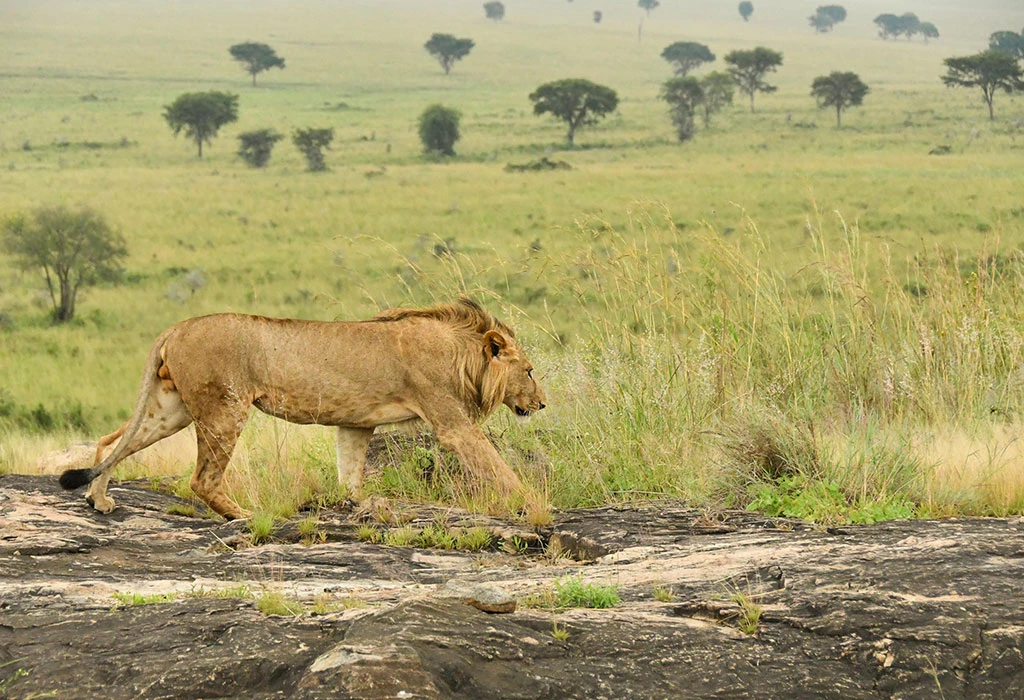
Large predators thrive across the Narus Valley, with lions frequently observed resting on rocky outcrops that offer commanding views over the surrounding plains. These outcrops, known locally as kopjes, provide shade during the heat of the day and elevated vantage points for spotting approaching prey, making them reliable and rewarding locations for game drives.
At a glance, Kidepo’s headline wildlife figures explain why the park draws such dedicated fans:
- Over 77 recorded mammal species across the park’s varied habitats.
- Buffalo herds numbering between 10,000 and 15,000 individuals.
- Elephant numbers that climbed from just 200 in the 1990s to between 650 and 1,000 today.
- Rothschild’s giraffes recovering from only 3 individuals to over 50 today.
- Lions, leopards, cheetahs, and jackals rounding out the predator checklist.
Travelers building a broader wildlife itinerary around these figures can explore ready made options through Iconic Africa Safaris’ Uganda safaris, which cover Kidepo alongside other prime game viewing destinations.
Kidepo’s buffalo population numbers between ten thousand and fifteen thousand individuals, forming some of the largest herds found anywhere in Uganda. During the dry season these buffalo gather in massive numbers around the remaining water pools of the Narus Valley, creating dense, dust filled herds that stretch across the horizon and attract predators in turn.
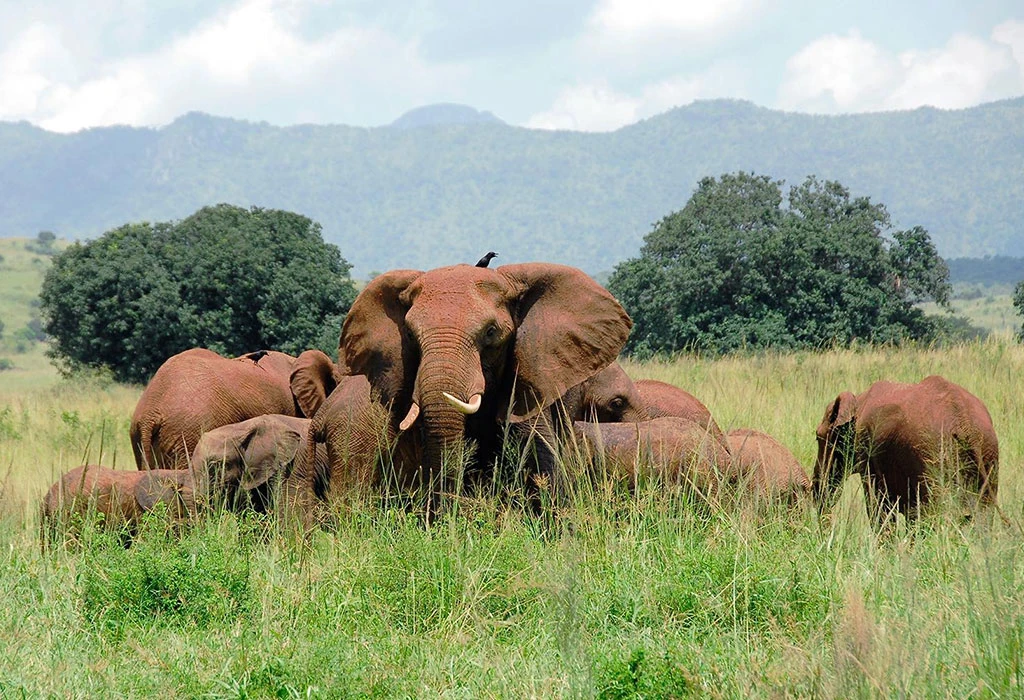
Elephant numbers in Kidepo have surged dramatically, climbing from just two hundred individuals during the nineteen nineties to between six hundred and fifty and one thousand elephants today. This recovery reflects decades of dedicated conservation work and improved security across the region, and it stands as one of Uganda’s genuine wildlife recovery success stories.
The park is also one of the very best places in Uganda to see Rothschild’s giraffes, a subspecies that came perilously close to local extinction. The population collapsed to just three individuals during a mid nineteen nineties bottleneck before recovering to over fifty giraffes today, thanks to careful breeding programs and successful translocation efforts across the park.
Insider Tip: Ask your guide to head toward the rocky kopjes near Apoka Rest Camp before nine in the morning. Lions often bask on the sun warmed rocks at this hour before retreating into shade, giving photographers a rare window of unobstructed, eye level viewing that disappears once the midday heat sets in.
Beyond the headline species, Kidepo supports healthy populations of zebras, hartebeests, and numerous antelope species that graze across the open plains throughout the year. Cheetahs, leopards, and both black backed and side striped jackals also inhabit the park, giving dedicated wildlife photographers a genuine chance at capturing rare and elusive predator sightings during a single visit.
The Big Five in Kidepo Valley National Park
For many years Kidepo offered visitors four of Africa’s celebrated Big Five species, missing only the rhinoceros from its wildlife checklist. That changed in March of 2026, when rhinos were officially introduced into the park, completing the Big Five and placing Kidepo among an even more exclusive group of African safari destinations.
The introduction of rhinos into Kidepo Valley National Park marks a significant milestone for Ugandan conservation, restoring a species that had vanished from the wider region for decades. This achievement builds on the long running success of Uganda’s broader rhino conservation program and reflects growing confidence in the park’s security and habitat management.
With lions, elephants, buffaloes, leopards, and now rhinos all present within its boundaries, Kidepo has firmly joined the ranks of true Big Five safari parks. Few destinations anywhere in Africa combine this level of wildlife diversity with the kind of low visitor density and untouched scenery that still defines a Kidepo safari experience.
Travelers planning a Big Five safari now have a genuinely compelling reason to prioritize Kidepo over more crowded alternatives. The chance to track rhinos alongside lion prides, elephant herds, and Rothschild’s giraffes, all set against a backdrop of dramatic mountains and golden plains, makes Kidepo one of the most exciting emerging safari destinations in Africa today.
Kidepo’s Big Five checklist now reads:
- Lion, commonly seen resting on rocky outcrops across the Narus Valley.
- Leopard, elusive but present in riverine woodland and rocky terrain.
- African elephant, with a recovering population near 1,000 individuals.
- African buffalo, forming herds up to 15,000 strong in the dry season.
- Rhinoceros, introduced in March 2026 to complete the Big Five.
Full species details and current park fees are outlined on the Kidepo Valley National Park destination page, a useful reference alongside this guide.
Birdwatching in Kidepo Valley National Park
With a bird checklist exceeding four hundred and seventy six species, Kidepo is a genuine dream destination for birdwatchers, featuring several species that cannot be found in any other Ugandan national park. The park’s mix of arid plains, riverine woodland, and mountain habitats supports birdlife found nowhere else within Uganda’s borders.
Kidepo holds the distinction of being the only place in Uganda where ostriches roam freely across open ground. Watching these enormous flightless birds stride across the golden Narus Valley plains, often alongside grazing herds of buffalo and antelope, delivers a scene that feels distinctly more East African than typical Ugandan savanna birding.
Secretary birds are another signature species, frequently seen striding purposefully across Kidepo’s open plains as they hunt for snakes and small reptiles. Their distinctive silhouette, tall legs, and crest of feathers make them instantly recognizable, and sightings here are considerably more reliable than in most other Ugandan parks that lack similar open terrain.
Colorful bee eaters add vivid splashes of color throughout the park, with both northern carmine bee eaters and little green bee eaters commonly spotted along riverbanks and open woodland edges. Their bright plumage and acrobatic hunting flights make them consistent favorites among photographers seeking dynamic action shots during any Kidepo birding excursion.
Serious birders also seek out the Abyssinian scimitarbill, a rare and strikingly beautiful species found in only a handful of Ugandan locations. Alongside numerous raptors, larks, and dry country specialists, this rich birdlife makes Kidepo an essential stop for anyone building a comprehensive East African birding list during their time in Uganda.
Species worth prioritizing on any Kidepo birding checklist include:
- Ostriches, Uganda’s only free roaming population, spotted across open plains.
- Secretary birds, striding through grassland while hunting reptiles.
- Northern carmine bee eaters, bright and easily photographed near rivers.
- Little green bee eaters, common along woodland edges and riverbanks.
- Abyssinian scimitarbill, a rare specialist found in very few locations.
Birders combining Kidepo with other destinations can browse the 21 day gorillas, chimps, and birding safari or read more about birding experiences across Uganda, Rwanda, and Kenya for wider itinerary ideas.
Cultural Experiences in Kidepo Valley National Park
Beyond its extraordinary natural wonders, Kidepo is home to two fascinating indigenous communities whose traditions have persisted for generations despite the challenges of living in one of Africa’s most demanding environments. Visiting these communities adds a rich cultural dimension that few other Ugandan safari destinations are able to offer travelers.
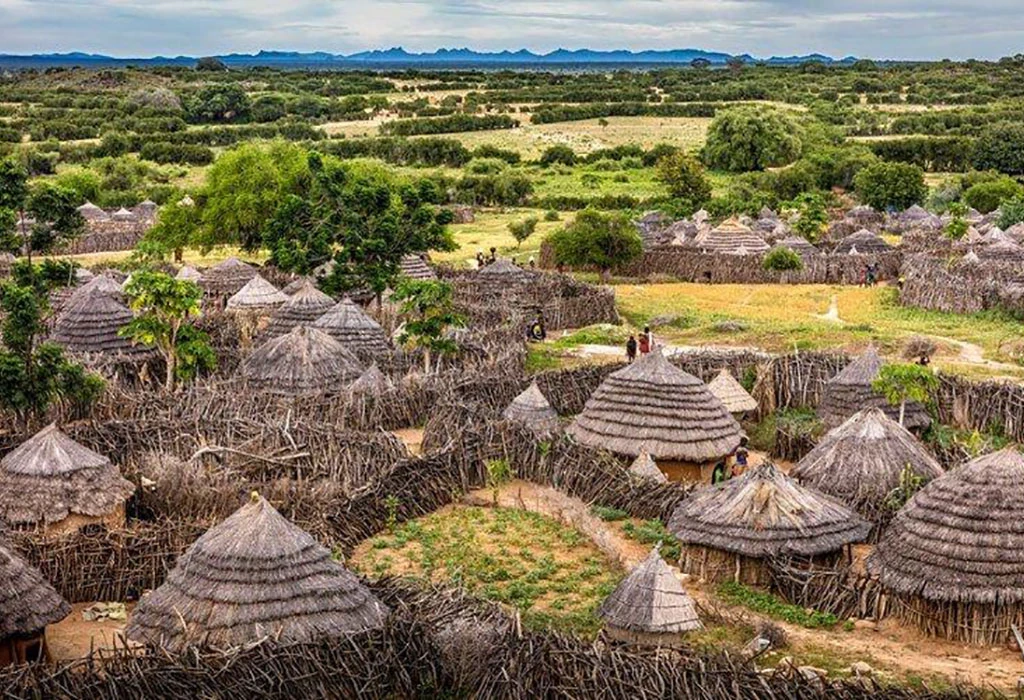
The Karamojong are a semi nomadic pastoralist group, culturally similar to the Maasai of Kenya, known throughout the region for their deep cattle keeping traditions and proud warrior heritage. Cattle remain central to Karamojong identity, serving as currency, dowry, and status symbol, and their herding lifestyle continues largely unchanged despite modern pressures.

Visitors can arrange guided visits to Karamojong manyattas, the traditional homesteads built to protect families and livestock from raids and predators. These visits offer genuine insight into daily life, traditional dress, dance, and storytelling, giving travelers a far deeper understanding of the region than wildlife viewing alone could ever provide.
The Ik people represent an entirely different cultural story, a small hunter gatherer tribe living in the mountains bordering Kenya near Mount Morungole. Their traditional way of life is increasingly under threat from modernization and land pressure, making a respectful cultural visit both a rare privilege and a meaningful contribution to community tourism.
Reaching Ik villages requires a moderately demanding hike up the slopes of Mount Morungole, rewarded along the way with sweeping views back across the Kidepo and Narus valleys. Local guides accompany every visit, ensuring interactions remain respectful while sharing insight into the community’s language, farming methods, and remarkable resilience in a challenging landscape.
Cultural tourism in Kidepo directly benefits local communities through employment, craft sales, and revenue sharing arrangements with the Uganda Wildlife Authority. Travelers who include a cultural visit in their itinerary are not only gaining a richer, more memorable safari experience, they are also actively supporting the preservation of traditions that might otherwise fade away.
Insider Tip: Bring small denomination cash for craft purchases at Karamojong manyattas, since card and mobile payment options are rarely available this far from Kampala. Buying directly from beadwork and basket makers puts more income straight into local hands than purchases made through third party souvenir shops elsewhere.
Travelers wanting a deeper cultural focus can review cultural experiences across Uganda, Rwanda, and Kenya or explore East Africa safari itineraries that blend wildlife and community visits into a single journey.
Best Time to Visit Kidepo Valley National Park
The dry seasons, running roughly from September through March, offer the best overall wildlife viewing conditions in Kidepo Valley National Park. As water becomes scarce elsewhere across the park, animals concentrate heavily around the remaining pools in the Narus Valley, dramatically increasing the density and predictability of game sightings during a single game drive.
December through March represents a particularly popular window, combining reliably dry roads with peak animal concentrations around Narus Valley waterholes. Temperatures during these months can climb quite high during the middle of the day, so early morning and late afternoon game drives typically offer the most comfortable and productive wildlife viewing conditions.
The wetter months, spanning April through August, transform Kidepo into a lush, green landscape with dramatically fewer visitors on the ground. While wildlife disperses more widely across the park during this period, birdwatchers benefit enormously, since migratory species arrive and resident birds display their most vibrant breeding plumage throughout the wet season.
Road conditions can deteriorate significantly during the heaviest rains, particularly on the longer overland routes through Karamoja, making chartered flights the more reliable option during this period. Regardless of season, Kidepo’s remote location means advance planning with an experienced tour operator remains essential for a smooth and well organized visit.
How to Get to Kidepo Valley National Park
The best way to reach Kidepo Valley National Park is by scheduled or chartered flight, a journey that takes roughly ninety minutes from Entebbe compared with a full day of overland driving. Flights typically land at the Apoka airstrip, placing visitors directly within the park’s prime wildlife viewing area within minutes of arrival.
Tour operators typically handle all flight scheduling on behalf of their clients and will also arrange airport or hotel pickups in most cases. Visitors first enter Uganda through Entebbe International Airport, located near the town of Entebbe roughly forty six kilometers from Kampala, before connecting onward to Kidepo by air or road.
Driving to Kidepo remains entirely possible and offers its own rewards for travelers with more time available. The most direct overland route runs through Gulu to the Lokumoit Gate and takes approximately ten hours, a journey best broken up with an overnight stop at Ziwa Rhino Sanctuary, Gulu town, or Kitgum along the way.
Two longer overland routes pass through the remote Karamoja subregion before arriving at the Nataba Gate on the park’s eastern side. Karamoja experienced banditry in past decades, but the area has been considered safe for many years now and has grown into a genuine center of community based tourism around the town of Moroto.
Choosing between flying and driving to Kidepo ultimately depends on time available and travel priorities. Flying maximizes precious safari time within the park itself, while driving offers a genuine overland adventure through northern Uganda’s varied landscapes and communities, passing through regions that few international visitors ever have the chance to explore.
Quick route comparison for reaching Kidepo:
- Flight from Entebbe to Apoka airstrip, roughly 90 minutes door to door.
- Direct drive via Gulu to Lokumoit Gate, approximately 10 hours.
- Karamoja route via Moroto to Nataba Gate, a longer but scenic alternative.
- Combined Kidepo and Murchison Falls fly ins, saving significant road time.
Travelers arriving via Rwanda before heading north to Kidepo typically connect through Kigali International Airport, which serves as the main gateway for combined Uganda and Rwanda itineraries booked through a single operator.
Where to Stay in Kidepo Valley National Park
Accommodation options within and around Kidepo Valley National Park range from comfortable tented camps to more rustic budget friendly lodges, nearly all concentrated around the Apoka area for easy access to the Narus Valley’s prime game viewing terrain. Availability remains limited compared with Uganda’s more popular parks, making early booking genuinely essential.
Mid range and upmarket lodges in Kidepo typically emphasize an authentic bush atmosphere, blending comfortable ensuite accommodation with sweeping views across the savanna toward distant mountain ranges. Many properties incorporate local materials and design elements that reflect Karamojong culture, reinforcing the sense of place that defines a genuine Kidepo safari experience.
Budget conscious travelers can find simpler banda style accommodation and campsites managed by the Uganda Wildlife Authority within the park itself. These options provide a more grounded, immersive bush experience at a fraction of the cost of premium lodges, though facilities are understandably more basic than those found at higher end properties.
Because Kidepo remains genuinely remote, most accommodations operate on a full board basis, including meals and often guided activities within their rates. Working with an experienced tour operator ensures accommodation, transport, park permits, and activities are properly coordinated well in advance of arrival, avoiding logistical complications in such a remote destination.
Insider Tip: Book Kidepo accommodation at least 4 to 6 months ahead of the December through March peak season. The park has far fewer beds than Uganda’s southern parks, and the small number of lodges near Apoka can sell out quickly once word spreads about a particularly strong dry season for game viewing.
Travelers who prefer to skip the long overland transfer entirely can review the 8 day fly in safari to Kidepo and Murchison Falls, which pairs both parks within a single, time efficient itinerary.
Top Activities in Kidepo Valley National Park
- Game drives through the Narus Valley form the core activity for most visitors, offering consistent opportunities to observe lions, elephants, buffaloes, giraffes, and now rhinos across open savanna terrain. Early morning and late afternoon drives typically deliver the most rewarding sightings, as animals become more active during the cooler parts of the day.
- Guided nature walks provide a more intimate way to experience the park, allowing visitors to track animal signs, learn about smaller creatures and plant life, and appreciate the landscape at a slower pace under the close supervision of an experienced armed ranger guide throughout the entire walking excursion.
- Birdwatching excursions can be arranged as standalone activities or combined with regular game drives, targeting specialist species like the Abyssinian scimitarbill, secretary birds, and the park’s free roaming ostrich population. Dedicated birding guides familiar with Kidepo’s specific hotspots significantly increase the chances of ticking off rare and localized species.
- Cultural visits to Karamojong manyattas and, for the more adventurous, hiking excursions to Ik villages on Mount Morungole round out the park’s most popular activities. These experiences combine physical adventure with genuine cultural immersion, offering a well rounded safari that extends well beyond wildlife viewing alone into deeper community engagement.
- Adventurous travelers can also arrange excursions to the Kanangorok hot springs near the South Sudan border, a lesser known attraction reached via a scenic drive through remote park terrain. Though logistically more demanding, this excursion rewards visitors with natural hot springs and landscapes that very few Kidepo visitors ever actually experience firsthand.
- Hiking opportunities extend beyond Mount Morungole into the Lomej and Lonyili hill ranges, offering fit and adventurous travelers additional trekking options within the wider park landscape. These hikes reward effort with sweeping panoramic views across the Narus and Kidepo valleys, framed by the dramatic mountain scenery that defines this remote corner of Uganda.
Conservation Efforts in Kidepo Valley National Park
Uganda’s national parks and reserves exemplify environmental stewardship and climate friendly practices, with all protected areas adhering to sustainable management principles designed to preserve biodiversity and natural habitats. Kidepo forms an important part of this broader national commitment, with ongoing efforts ensuring landscapes remain pristine and resilient against climate change.
The remarkable recovery of Kidepo’s elephant and giraffe populations over recent decades demonstrates the tangible impact of dedicated conservation work, community engagement, and improved regional security. These recoveries stand as powerful evidence that sustained investment in protection and habitat management can reverse even severe population declines within a relatively short timeframe.
The March twenty twenty six introduction of rhinos into Kidepo represents the latest milestone in this ongoing conservation story, building directly on Uganda’s broader rhino recovery program centered at Ziwa Rhino Sanctuary. This achievement reflects growing confidence in Kidepo’s security infrastructure and habitat suitability for supporting additional vulnerable and endangered species.
Practical Travel Tips for Kidepo Valley National Park
Given Kidepo’s remote location, advance planning is genuinely essential, particularly regarding accommodation bookings, flight arrangements, and park entry permits, all of which should be confirmed well before arrival. Working with an established tour operator familiar with the region significantly reduces logistical stress throughout every stage of the journey.
Park entry fees apply to all visitors and vary depending on nationality and residency status, with separate rates for foreign non residents, foreign residents, and East African citizens. Current rates and detailed conservation tariffs are published by the Uganda Wildlife Authority and should always be confirmed directly with your tour operator before departure.
Packing for Kidepo should account for significant temperature swings between cool early mornings and considerably hotter midday conditions typical of this semi arid region. Neutral colored clothing, comfortable closed shoes for walking and hiking, sun protection, and binoculars for both wildlife viewing and birdwatching are all strongly recommended for every visitor.
A practical Kidepo packing checklist includes:
- Neutral toned clothing for game drives and cultural visits.
- A warm layer for early mornings, since temperatures can drop noticeably.
- Sun protection, including a hat, sunscreen, and sunglasses.
- Binoculars for both wildlife viewing and the park’s rich birdlife.
- A dust cover or bag for cameras during the drier months.
A minimum stay of two to three nights is generally recommended to fully appreciate everything Kidepo Valley National Park has to offer, including game drives, birdwatching, and at least one meaningful cultural excursion. Given the effort required to reach this remote destination, shorter visits rarely do justice to the park’s full range of experiences.
Sample Kidepo Valley National Park Safari Itinerary
- A typical Kidepo safari begins with a scheduled flight from Entebbe directly to the Apoka airstrip, allowing arrival in time for an afternoon game drive through the Narus Valley. This immediate immersion into prime wildlife territory sets the tone for the entire trip and often delivers lion, elephant, and buffalo sightings on the very first day.
- Day two typically combines an early morning game drive, timed to catch predators still active from the cooler overnight hours, with a guided nature walk later in the day. Afternoons are often reserved for a visit to a nearby Karamojong manyatta, offering a meaningful cultural break between two wildlife focused activity sessions.
- A third day frequently includes the more demanding hike toward an Ik village on the slopes of Mount Morungole, rewarding effort with sweeping valley views and genuine cultural exchange. Alternatively, travelers with extra time can dedicate this day to a specialist birdwatching excursion targeting ostriches, secretary birds, and rare dry country species.
Longer itineraries of four or five days allow time for the Kanangorok hot springs excursion, additional game drives focused specifically on tracking the park’s newly introduced rhinos, and a more relaxed pace overall. A final morning game drive before departure often delivers some of the best sightings of the entire safari.
Combining Kidepo with Other Uganda Safari Destinations
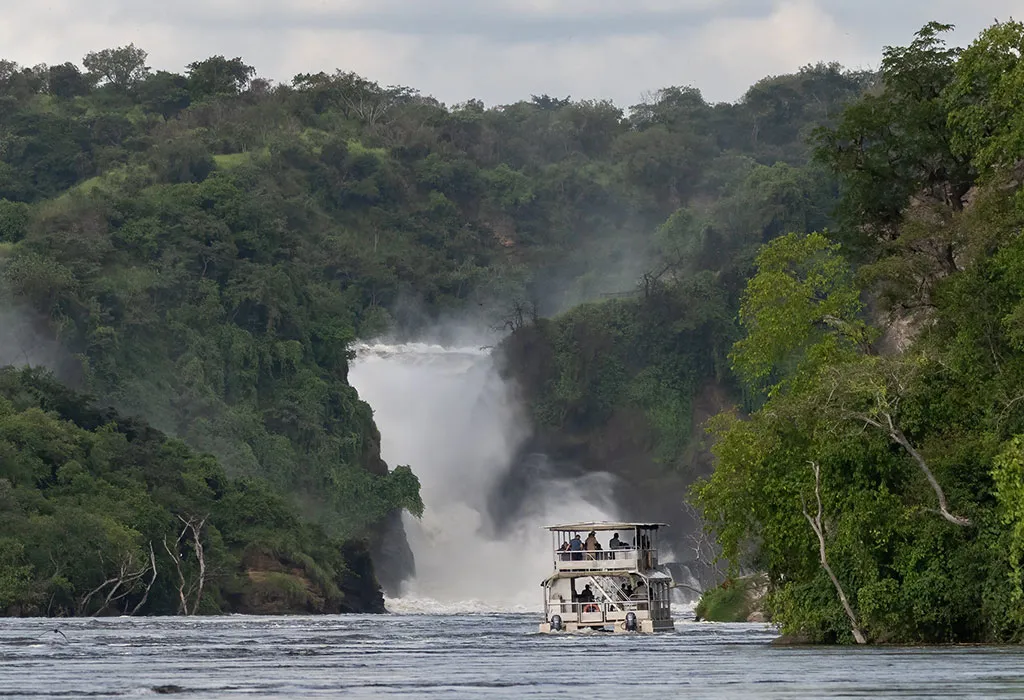
Many travelers combine Kidepo Valley National Park with Murchison Falls National Park, connecting the two remote northern parks by chartered flight rather than a long overland transfer. This pairing offers dramatic contrast, moving from Kidepo’s dry mountain framed savanna to Murchison’s powerful waterfalls and Nile River boat safaris within a single itinerary.
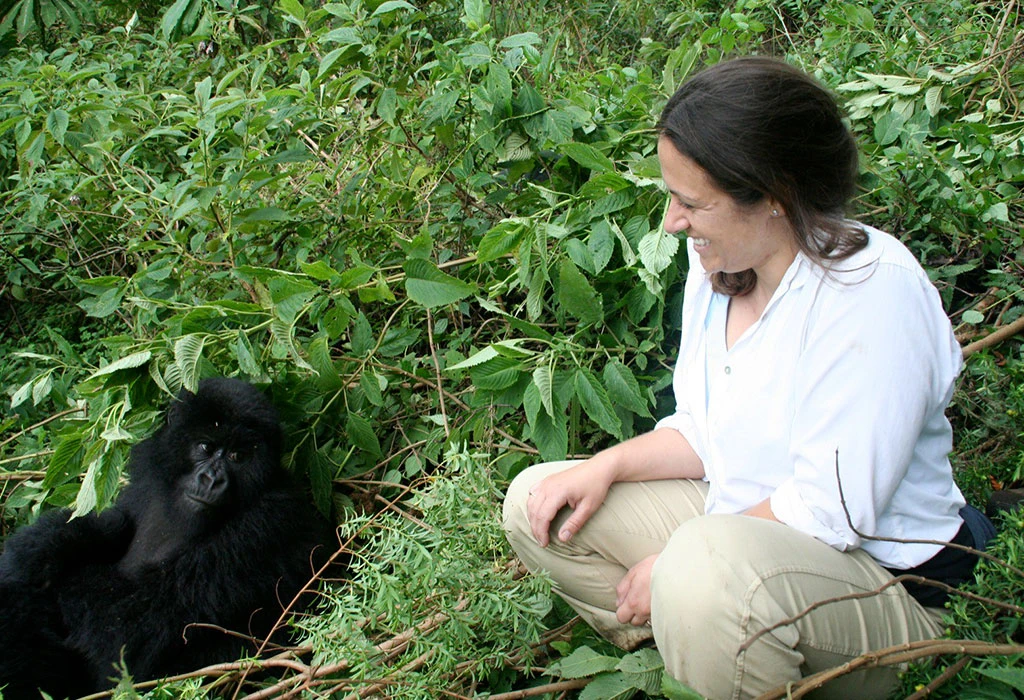
Some itineraries also link Kidepo with gorilla trekking in Bwindi Impenetrable Forest, though the significant distance between the two parks generally requires internal flights to keep total travel time manageable. This combination delivers an extraordinary range of experiences, from mountain gorillas in dense rainforest to lions resting on Kidepo’s sunbaked rocky outcrops.
Travelers with more flexible schedules sometimes extend a Kidepo safari across the border into Kenya, given the park’s location just five kilometers from the Kenyan frontier. While formal border crossing logistics require careful advance planning, this proximity opens interesting possibilities for combined East African safari itineraries with the right operator support.
Photography Tips for Kidepo Valley National Park
Kidepo’s open, uncluttered plains make it an outstanding location for wildlife photography, particularly during the golden light of early morning and late afternoon game drives. The dramatic mountain backdrops framing the Narus Valley add depth and scale to wildlife images that flatter both experienced photographers and casual visitors using nothing more than a phone.
Photographing lions on their favored rocky outcrops works especially well from a slightly lower angle, emphasizing the elevated, commanding position these predators typically occupy above the surrounding plains. Patience during quieter midday hours often pays off, as animals gather predictably around the last remaining water sources during peak dry season conditions.
A telephoto lens in the two hundred to four hundred millimeter range suits most Kidepo wildlife subjects well, while a wider lens captures the park’s expansive landscapes and dramatic skies. Dust is a genuine consideration during the dry season, so protective gear for camera equipment is strongly recommended throughout any game drive.
Frequently Asked Questions About Kidepo Valley National Park
Is Kidepo Valley National Park safe to visit today?
Yes, the park and surrounding Karamoja region have been considered safe for travelers for many years, with the Uganda Wildlife Authority and local security agencies maintaining a strong presence throughout the area to protect both wildlife and visiting tourists on every safari.
How many days should I spend in Kidepo?
Most tour operators recommend a minimum of two to three nights to properly experience game drives, birdwatching, and at least one cultural excursion. Given the effort required to reach this remote park, travelers generally find that longer stays deliver considerably better value for their journey.
Can I see the Big Five in Kidepo?
Yes, following the March 2026, introduction of rhinos, Kidepo now offers all five of Africa’s celebrated Big Five species, joining lions, leopards, elephants, and buffaloes that have long inhabited the park’s varied terrain across both the Narus and Kidepo valleys.
What is the best way to reach Kidepo?
Scheduled or chartered flights from Entebbe to the Apoka airstrip remain the fastest and most comfortable option, taking under two hours. Overland driving is also possible, typically taking around ten hours via Gulu, and offers its own rewarding journey through northern Uganda.
Responsible Tourism in Kidepo Valley National Park
Visiting Kidepo responsibly means respecting both the fragile semi arid ecosystem and the cultural traditions of the Karamojong and Ik communities who call this region home. Staying on designated tracks during game drives, following ranger guidance closely, and minimizing noise around wildlife all help preserve the park’s exceptional condition for future visitors.
Choosing accommodations and tour operators committed to sustainable practices further supports the long term health of Kidepo’s ecosystem and surrounding communities. Revenue generated through park fees and community based tourism initiatives directly funds conservation work, ranger operations, and local development projects that benefit the people living around this remarkable park.
Read more about the responsible travel principles that guide sustainable tourism throughout Uganda’s national parks, including Kidepo.
Health and Safety Preparations for Kidepo
Travelers to Kidepo Valley National Park should confirm yellow fever vaccination requirements and consult a travel health professional regarding malaria prevention well before departure, since the region sits within a malaria zone. Comprehensive travel insurance covering emergency evacuation is strongly recommended given the park’s remote location and distance from major hospitals.
Mobile network coverage around Apoka has improved considerably in recent years, though connectivity throughout the wider park remains patchy and unreliable in many areas. Most lodges provide limited WiFi access for guests, and travelers who value staying fully connected should set realistic expectations before arriving at this genuinely remote corner of Uganda.
Weather and Climate Through the Year
Kidepo experiences a distinctly semi arid climate compared with much of southern and western Uganda, with a pronounced dry season and generally lower overall rainfall totals. Daytime temperatures often climb into the low thirties Celsius during the dry months, while nights and early mornings can feel surprisingly cool across the open valley floor.
Rainfall typically peaks between April and August, transforming the landscape from dusty gold into vibrant green within a matter of weeks. Even during these wetter months, Kidepo rarely experiences the sustained heavy downpours common in other parts of Uganda, making it a viable year round destination for travelers willing to embrace some seasonal variation.
Final Thoughts on Kidepo Valley National Park
Kidepo Valley National Park represents everything travelers dream of when they imagine untamed African wilderness, from sweeping golden plains and dramatic mountain backdrops to thriving populations of lions, elephants, giraffes, and now rhinos completing the celebrated Big Five. Few destinations anywhere on the continent combine such richness with such genuine solitude.
Whether the draw is exceptional big game viewing, world class birdwatching among four hundred and seventy six recorded species, or meaningful cultural encounters with the Karamojong and Ik communities, Kidepo consistently delivers experiences that feel increasingly rare across modern African safari travel. This is Uganda’s true wilderness frontier, waiting patiently to be explored.
For travelers seeking untamed adventure, incredible landscapes, and genuinely unique wildlife encounters far removed from crowded tourist circuits, Kidepo stands as the ultimate safari destination within Uganda. Every element of a visit here, from the long journey north to the reward of watching lions rest on sunlit rocky outcrops, feels earned.
Learn more about the team behind this guide on our About page, or head straight to Request a Quote to start planning your own Kidepo journey.
Ready to Book Your Kidepo Valley National Park Safari with Iconic Africa Safaris?
Iconic Africa Safaris offers three simple, reliable ways to secure your next unforgettable Ugandan adventure today. Simply complete our quick online booking form to start planning your dream safari experience right away. Our friendly team also welcomes direct emails at info@iconicafricasafaris.com to discuss your specific travel plans and preferences. For instant assistance, tap the green WhatsApp icon in your screen’s bottom right corner anytime.