21-Day Uganda Gorillas, Chimps & Birding Safari
- Pickup : Entebbe Airport
- Drop-off : Entebbe Airport
Tour Overview
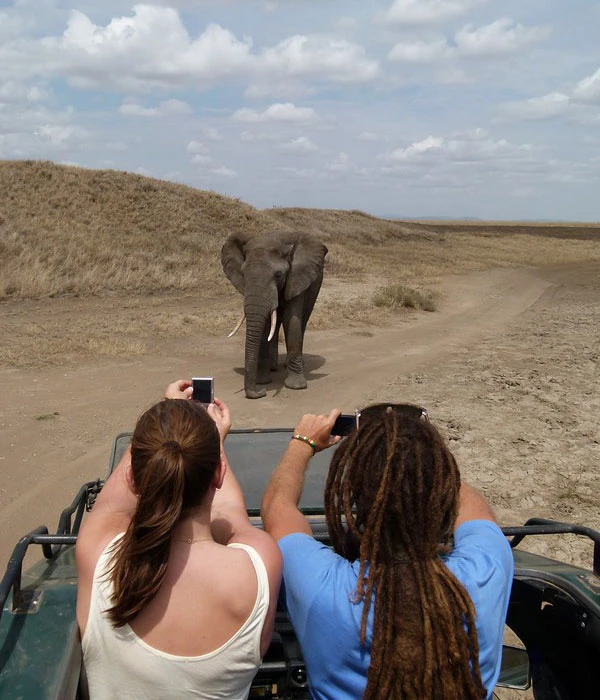
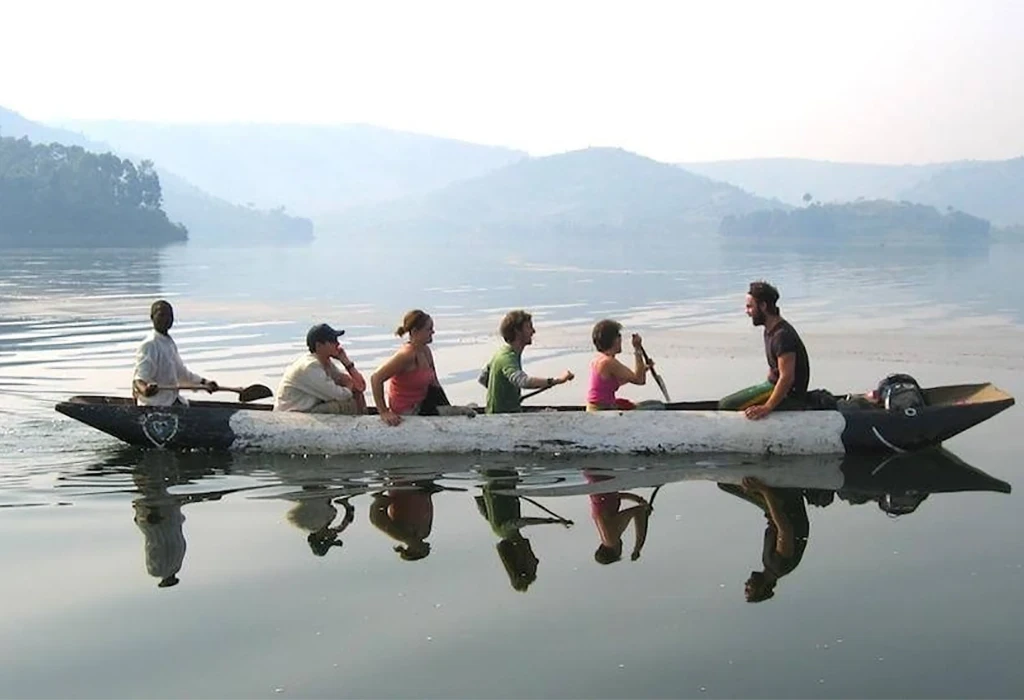
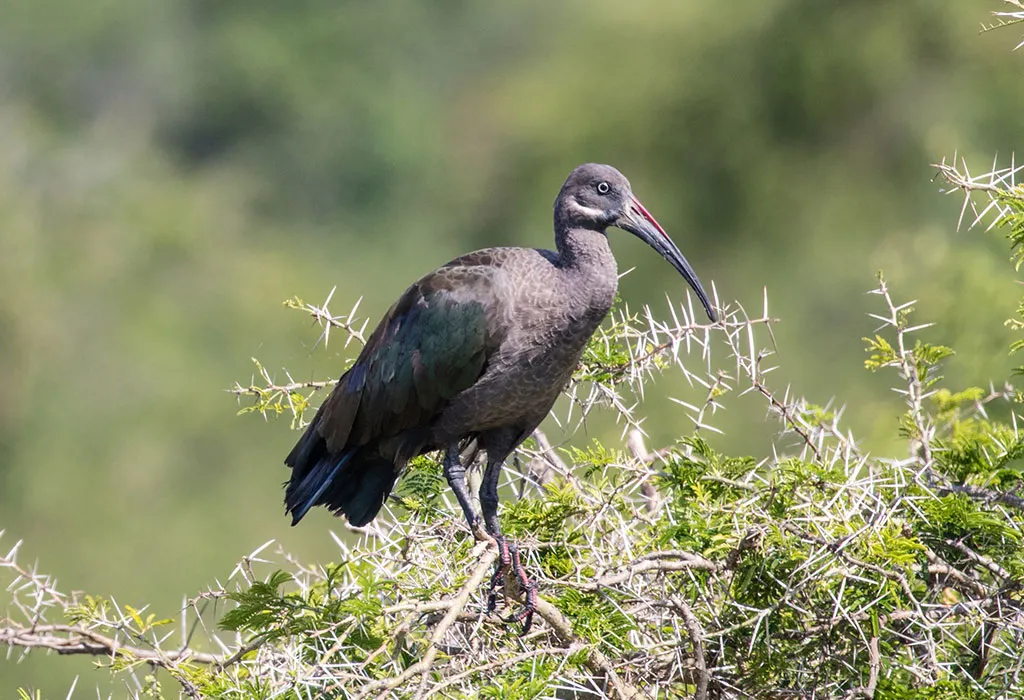
This 21-day Uganda Gorillas, Chimps & Birding safari takes you on an unforgettable journey through the Pearl of Africa. From the misty wetlands of Entebbe to the ancient forests of Bwindi, every day brings a new wildlife experience. Track mountain gorillas through lush jungle, meet playful chimpanzees in their natural habitat, and explore papyrus wetlands in search of the rare Shoebill Stork. You will also enjoy exciting game drives, beautiful landscapes, and exceptional birding opportunities across Uganda’s national parks. Expert guides from Iconic Africa Safaris accompany you throughout the journey, sharing their knowledge and making every experience more meaningful. Whether you are passionate about birds, primates, or wildlife, this adventure offers an incredible combination of nature, culture, and unforgettable encounters.
- Transportation (Car, Fuel, Driver Guide)
- Meals & Accommodation as mentioned
- Gorilla Trekking Permit
- Chimpanzee Trekking Permit
- Park Entrance Fees
- Game Drive and Boat Cruise
- Bottled Drinking Water
- Government Taxes
Cost Includes
- International Flights
- Accommodation Before and After your Trip
- Optional Batwa Cultural Experience
- Sourvenirs
- Tips & Bwindi Porter Hiring
Cost Excludes
Travel Plan
Day 1: Arrival in Entebbe and a Visit to the Botanical Gardens
Your Iconic Africa Safaris guide meets you at Entebbe International Airport or your hotel and helps you settle comfortably into a 4×4 Land Cruiser for the drive to the guest house for check in. From there, the first stop is Entebbe Botanical Gardens, a green treasure sitting right on the shores of Lake Victoria. More than 200 bird species call this place home, including the elusive Bat Hawk, Great Blue Turaco, Pink backed Pelican, Black headed Gonolek, Weyn’s Weaver, and several species of kingfishers. Dense forest canopy and open lakefront habitats combine to create ideal birding conditions. After a relaxed afternoon of exploring, you head to your guesthouse to rest before the adventure truly begins.
- Accommodation: Papyrus Guest House
- Meal Plan: Half Board
Day 2: Full Day Bird Watching at Mabamba Swamp
Mabamba Swamp, just a short drive from Entebbe, ranks among the best places on earth to see the prehistoric looking Shoebill Stork. Early morning visits give you the best chance of spotting this huge, ancient bird as it stands still among the reeds, waiting for fish. Beyond the Shoebill, the swamp supports over 300 bird species. Rare finds include the Papyrus Gonolek, Blue Swallow, White winged Warbler, and Pallid Harrier. Waterbirds abound, such as the African Jacana, African Purple Swamp hen, White faced Whistling Duck, and Spur winged Geese. Herons and egrets line the papyrus edges, while Malachite, Pied, and Shining Blue Kingfishers dart along the waterways. Turacos add brilliant colour overhead, rounding off a full and rewarding day of birding.
- Accommodation: Papyrus Guest House
- Meal Plan: Full Board
Day 3: Drive to Murchison Falls National Park via Budongo Forest
This day marks a long but scenic drive north toward Murchison Falls National Park. The road climbs through Uganda’s central hills before opening onto wide plains closer to the park boundary. By late afternoon, you will arrive at Budongo Forest, one of Uganda’s most important forest reserves and the gateway to the next day’s specialist birding. Settle in, enjoy dinner, and let the sounds of the forest ease you into a calm evening.
- Accommodation: Budongo Eco Lodge
- Meal Plan: Full Board
Day 4: Full Day Birding in Budongo Forest
Budongo Forest holds over 360 bird species, and the famous Royal Mile trail runs through its richest section. This is the best place in Uganda to see Guinea Congo biome specialists that occur nowhere else in East Africa. Top of every birder’s wish list is the endangered Nahan’s Partridge, found in only three locations in all of Uganda. Other prized targets include the Chocolate backed Kingfisher, White thighed Hornbill, Ituri Batis, and Black eared Ground Thrush. Forest hornbills move noisily through the canopy, among them the Congo Pied Hornbill and Black and white casqued Hornbill, while Narina Trogons glow like jewels in the shadows and the African Emerald Cuckoo flashes green and gold between the branches. Flycatchers, greenbuls, warblers, and woodpeckers keep your binoculars busy all day long on this classic Uganda Gorillas, Chimps & Birding day.
- Accommodation: Hornbill Bush Lodge
- Meal Plan: Full Board
Day 5: Morning Game Drive in the Delta and an Afternoon Boat Cruise
Rising early, you set out across the Nile Delta wetlands as the sun climbs over the papyrus. The marshy areas reward you quickly, with Shoebill Storks standing motionless in the shallows while Goliath Herons, the largest herons in the world, patrol the banks. Saddle billed Storks strut through the shallows alongside African Fish Eagles, whose piercing calls echo across the water. African Jacanas run lightly across floating lily pads, and Malachite Kingfishers perch just inches above the surface. Papyrus Gonoleks hide in the reeds, and African Skimmers skim the sandbanks at speed. Beyond the birds, elephants, buffaloes, giraffes, lions, kobs, and waterbucks share the floodplain, and a lucky morning sometimes reveals a leopard.
That afternoon, a boat cruise along the Nile adds another dimension to the day. Hippos yawn beside the hull and crocodiles bask on the muddy banks as waterbirds feed busily all around you.
- Accommodation: Hornbill Bush Lodge
- Meal Plan: Full Board
Day 6: Full Day Game Drive, Burigi Track, Victoria and Queens Park
This day takes you on a long drive through open savannah and thickets, covering the Burigi track and the Victoria and Queens park sectors. Abyssinian Ground Hornbills walk slowly through the grass, searching for insects, while Denham’s Bustards stride across the open plains and Grey Crowned Cranes, Uganda’s national bird, gather in groups near water. Black billed Barbets call from the thickets, adding rhythm to the soundtrack of the bush. Raptors dominate the sky, with Martial Eagles circling overhead, Black winged Kites hovering above the grass, and White backed and Ruppell’s Vultures spiralling on the thermals. Down at the water’s edge, Goliath and Purple Herons join African Darters and Saddle billed Storks, while Giant and Malachite Kingfishers, Red throated Bee eaters, and various bushshrikes round out a memorable full day of wildlife.
- Accommodation: Hornbill Bush Lodge
- Meal Plan: Full Board
Day 7: Drive South to Kibale Forest National Park
Covering 5 to 6 hours, this day’s drive heads south toward Kibale Forest National Park. The route passes through rolling green hills, wide tea plantations, and small towns buzzing with everyday Ugandan life. Arriving at the lodge in the afternoon gives you time to unpack, breathe in the forest air, and relax on the veranda before tomorrow’s big chimpanzee adventure.
- Accommodation: Chimpanzee Forest Lodge
- Meal Plan: Full Board
Day 8: Chimpanzee Trekking and an Evening Bigodi Nature Walk
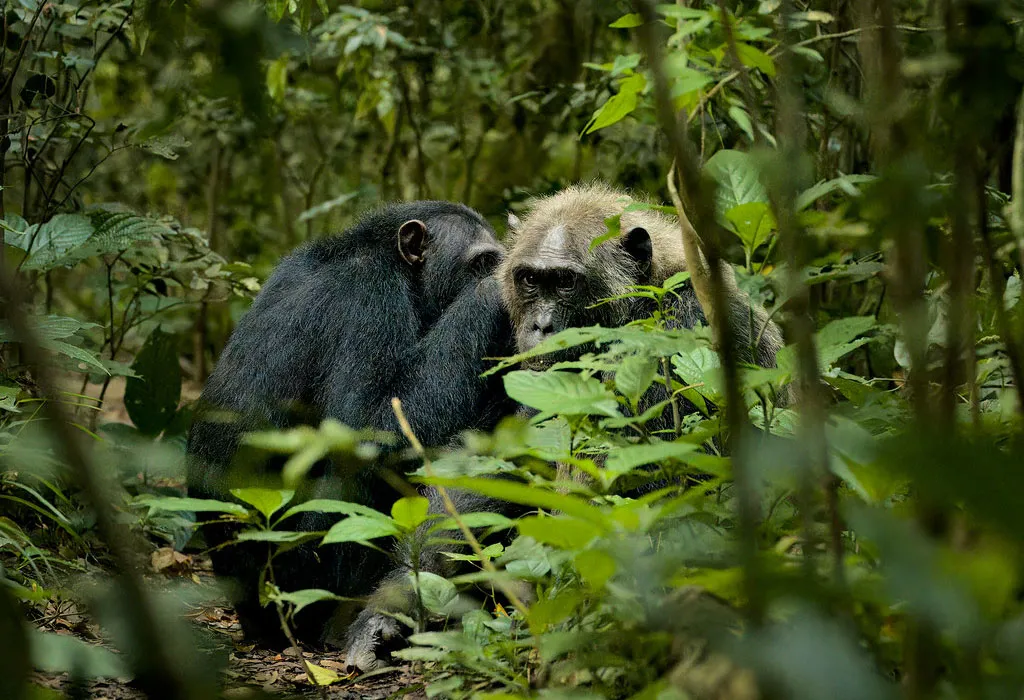
You will rise at 5:30am as birdsong fills the canopy above your lodge. After breakfast with hot Ugandan coffee, a short drive brings you to Kanyanchu Visitor Centre for the 7:30am ranger briefing. Your guide clearly explains chimp watching rules, and groups stay small to protect the animals and keep the experience intimate. Inside the thick rainforest, you hear chimps calling before you even see them, swinging through the treetops, grooming each other, and feeding on fruit high above. Lasting between two and five hours, the trek moves through one of the world’s richest chimpanzee habitats, home to over 1,500 individuals, and you return to the lodge buzzing with stories and photos.
That same afternoon, your local guide leads a gentle two to three hour walk through Bigodi Wetland Sanctuary, starting around 3:00pm. More than 200 bird species reward patient walkers here, including Great Blue Turacos, Double toothed Barbets, Yellow billed Barbets, Red headed Bluebills, Papyrus Gonoleks, and the rare Blue Malkoha. Red colobus and black and white colobus monkeys leap through the canopy, and your guide explains local plants used in traditional cooking and medicine. The walk ends with a deep appreciation for both the rich birdlife and the community led conservation effort protecting it all, a true highlight of any Uganda Gorillas, Chimps & Birding journey.
- Accommodation: Chimpanzee Forest Lodge
- Meal Plan: Full Board
Day 9: Full Day Birding in Bigodi Wetland Sanctuary
Spending a full day in Bigodi deepens everything you experienced yesterday afternoon. Covering roughly two square kilometres, this small sanctuary packs in an extraordinary variety of forest fringe and swamp birds. Dedicated birders spend the morning ticking off species they have been chasing all trip, while first timers delight in the colours of the Great Blue Turaco and the cheerful calls of the Snowy crowned Robin Chat. As midday heat quiets the birds, a shaded rest refreshes you for a productive afternoon session when the forest edge comes alive again.
- Accommodation: Chimpanzee Forest Lodge
- Meal Plan: Full Board
Day 10: Transfer to Semliki for an Afternoon Hot Springs Visit
Leaving Kibale behind, you drive west toward Semliki National Park, one of Uganda’s most distinctive parks. The road winds through the foothills of the Rwenzori Mountains before descending toward the Congo Basin lowlands. On arrival, a short visit to the famous Sempaya Hot Springs offers a dramatic natural spectacle, with boiling water shooting upward from the earth in steaming jets. The evening brings welcome rest before a full day of specialist birding.
- Accommodation: Rwenzori View Guest House
- Meal Plan: Full Board
Day 11: Full Day Birding in Semliki National Park
Semliki National Park hosts over 435 bird species, including 46 Guinea Congo biome species found nowhere else in East Africa, making it one of Uganda’s most important birding destinations. Top targets include the secretive Nkulengu Rail, Congo Serpent Eagle, Long tailed Hawk, Lyre tailed Honeyguide, Yellow throated Cuckoo, Black throated Coucal, and Capuchin Babbler. Five species of hornbill inhabit the forest, ranging from the tiny Red billed Dwarf Hornbill to the spectacular Black casqued Wattled Hornbill. Along the Semliki River and toward Lake Albert, Shoebill Storks, Hartlaub’s Ducks, and White bellied Kingfishers reward early morning visits. Weavers and malimbes add splashes of red and black to the forest understorey, and the rare White throated Blue Swallow flashes overhead.
- Accommodation: Rwenzori View Guest House
- Meal Plan: Full Board
Day 12: Drive to Queen Elizabeth National Park, Evening Game Drive at Kasenyi Plains
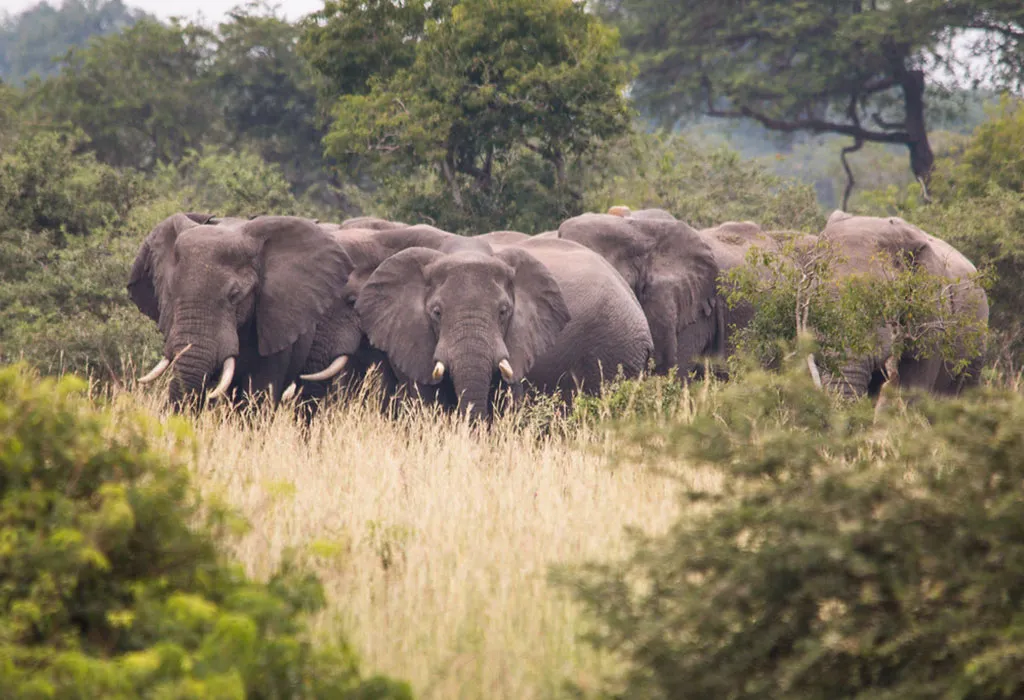
Arriving at Queen Elizabeth National Park by late afternoon, you head straight to the Kasenyi Plains for an evening game drive. Open grassland stretches in every direction, and the fading light brings savannah wildlife to life. Elephants and buffaloes move toward water, lions rest under acacia trees, and kobs and impalas gather in large numbers. For birders, Martial Eagles scan the plains from tall trees, Grey Crowned Cranes step elegantly through the grass, Black bellied Bustards call from the open ground, and vultures circle above carcasses in the distance. Cisticolas and larks fill the grassland edges with song as the golden hour settles over the park.
- Accommodation: Pumba Safari Lodge
- Meal Plan: Full Board
Day 13: Morning Game Drive and an Afternoon Boat Cruise on the Kazinga Channel
Set your alarm for 6:00 AM to start your morning game drive through the Kasenyi Plains. Cold morning air keeps predators active, giving you a strong chance to spot lions hunting Uganda kob, along with big herds of buffalos and solitary elephants. Drive slowly along the dirt tracks, keep your camera ready with a 300mm lens, and listen to your guide for live tracking updates.
At 2:00 PM, board the two-hour boat cruise along the 32-kilometer Kazinga Channel. Position yourself on the top deck for clear views of dense hippo pods submerged in shallow water and large Nile crocodiles resting along the shores. You will see elephant herds bathing at the water edge, surrounded by dozens of African skimmers, pink-backed pelicans, and kingfishers feeding near the sandy banks.
- Accommodation: Pumba Safari Lodge
- Meal Plan: Full Board
Day 14: Lakes Katwe, Munyanyange and Bunyampaka, Flamingo Spotting
This day explores the alkaline lakes of the southern section of Queen Elizabeth National Park. Lake Munyanyange, in particular, attracts flocks of Lesser Flamingos whose pink colouring lights up the lake surface. Lake Katwe, with its active salt extraction, draws a different mix of waterbirds, while Lake Bunyampaka adds further variety to a day rich in shoreline birdwatching.
- Accommodation: Topi Lodge
- Meal Plan: Full Board
Day 15: Ishasha Sector Morning Drive and Transfer to Bwindi
The Ishasha Sector in the southern part of Queen Elizabeth National Park is famous for its tree climbing lions, which rest in large fig trees and scan the plains from above. For birders, savannah and riverine habitats here support rare finds including the Martial Eagle, African Wattled Plover, Black bellied Bustards, Ross’s Turaco, and Double toothed Barbet. After the morning drive, you transfer south to Bwindi Impenetrable Forest National Park, arriving at the Buhoma Sector in the afternoon. The ancient forest surrounds the lodge on all sides, setting the mood for tomorrow’s gorilla trek and the true heart of this Uganda Gorillas, Chimps & Birding experience.
- Accommodation: Gorilla Bluff Lodge
- Meal Plan: Full Board
Day 16: Mountain Gorilla Trekking and an Evening Transfer to Ruhija
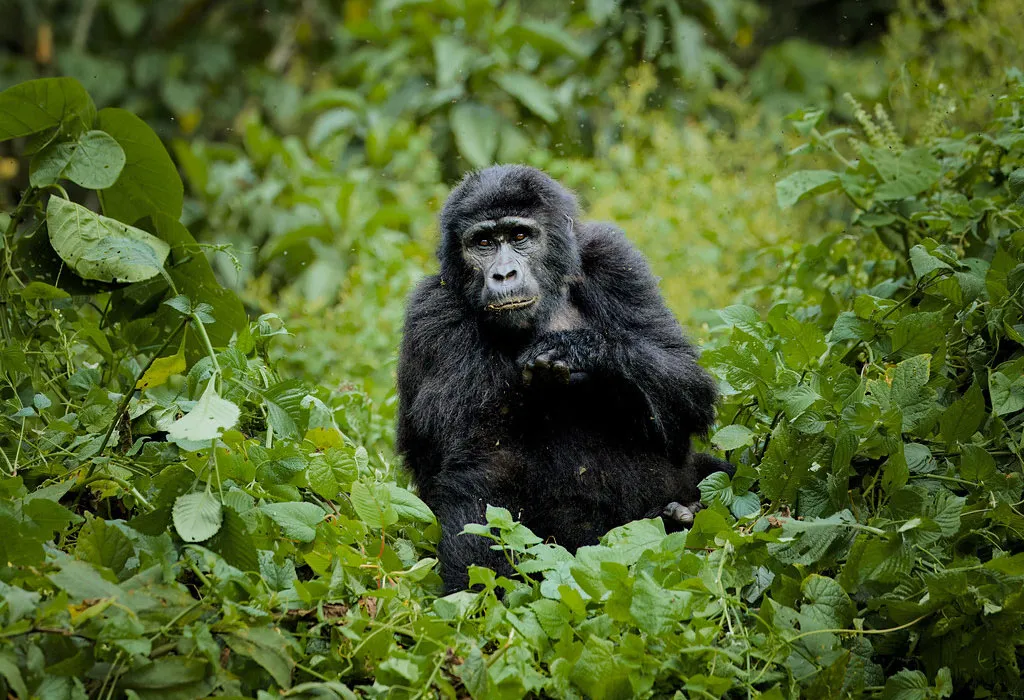
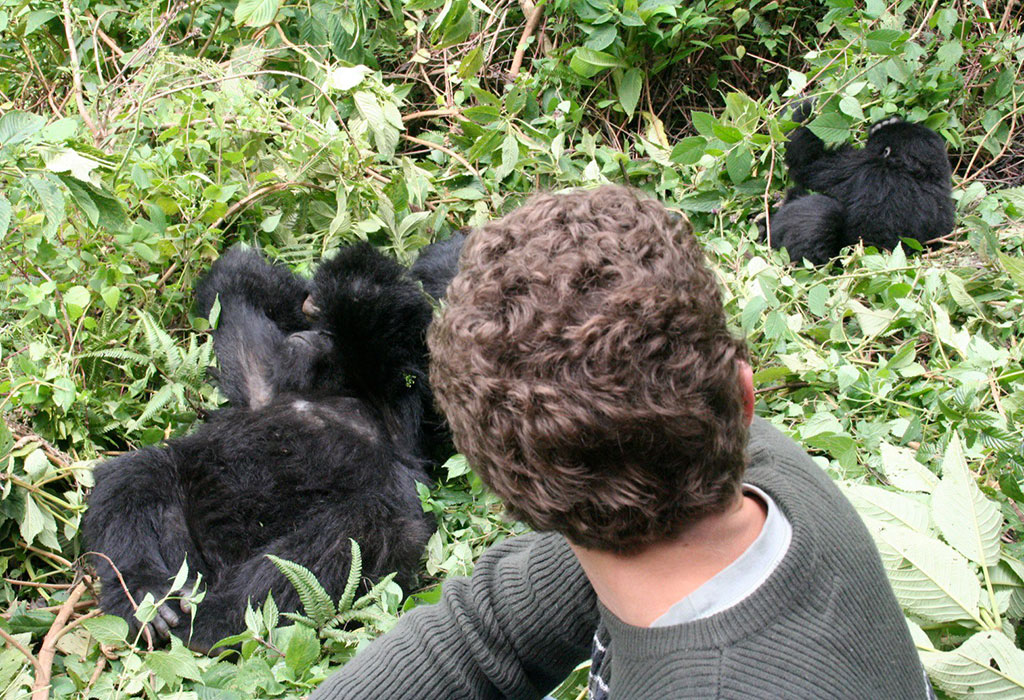
Wake between 5:30 and 6:00am and eat a hearty breakfast before driving to park headquarters for the 7:30am ranger briefing. Rangers explain the essential rules clearly: stay at least ten metres from the gorillas, keep voices low, avoid flash photography, and never touch them. By 8:00am, groups of eight trekkers per gorilla family enter the forest, guided by armed rangers receiving live radio updates from scouts tracking the family ahead. Depending on where the gorillas roam that morning, the hike takes anywhere from 30 minutes to seven hours. Finding the family brings an immediate, awe filled silence. For exactly one hour, you watch silverbacks beat their chests, infants tumble and play, and the whole family groom and feed in their natural world. Collect your trekking certificate afterward, then transfer east to the Ruhija sector.
- Accommodation: Bakiga Lodge
- Meal Plan: Full Board
Day 17: Full Day Birding at Mubwindi Swamp and an Evening Transfer to Kisoro
Mubwindi Swamp, deep in the Ruhija sector of Bwindi, ranks among the best birding spots anywhere in Africa. Above all, it offers the most reliable place in the world to see the African Green Broadbill, also known as Grauer’s Broadbill, a tiny emerald gem of the high altitude forest. Alongside it, Albertine Rift endemics reward every careful step, including the brilliant Regal Sunbird, the high altitude specialist Rwenzori Batis, the shy Archer’s Robin Chat, the diminutive Dwarf Honeyguide, and the Mountain Masked Apalis foraging in mixed flocks. After a full and fulfilling day, you transfer to Kisoro for the night.
- Accommodation: Ikaze Cottages
- Meal Plan: Full Board
Day 18: Full Day Bird Watching in Echuya Forest Reserve
Echuya Forest Reserve, a compact Afro montane forest near Kisoro, holds a concentration of Albertine Rift endemics that few places in Africa can match. Grauer’s Swamp Warbler inhabits the alpine swamps, while the colourful Rwenzori Turaco moves through the canopy overhead. Other key species include the Strange Weaver, Red throated Alethe, Kivu Ground Thrush, Archer’s Robin Chat, Red faced Woodland Warbler, and Collared Apalis. Mixed feeding flocks move through the forest interior, carrying Doherty’s Bush shrike, Mountain Oriole, Stripe breasted Tit, and Mountain Greenbul, while overhead raptors hunt, among them the Augur Buzzard, Long crested Eagle, and African Goshawk. Few forest walks in East Africa pack this much birding quality into a single day.
- Accommodation: Ikaze Cottages
- Meal Plan: Full Board
Day 19: Drive to Lake Mburo National Park, Evening Game Drive
Leaving the Albertine highlands, you drive east toward Lake Mburo National Park, Uganda’s smallest savannah park and one of its most underrated. Arriving in the afternoon, an evening game drive introduces you to the park’s distinctive wildlife. Zebras, giraffes, elands, and kobs roam the open grassland in large groups, while birds such as the African Finfoot, African Wattled Lapwing, Bare faced Go away bird, and Bateleur appear reliably throughout the park. The relaxed atmosphere of Lake Mburo makes for a gentle, joyful close to the intense forest birding of the previous days.
- Accommodation: Rwakobo Lodge
- Meal Plan: Full Board
Day 20: Morning Game Drive and an Afternoon Boat Cruise on Lake Mburo
A final morning game drive takes you through open plains and wooded valleys, searching for African Finfoot, Bateleur, African Fish Eagle, Grey Crowned Crane, African Wattled Lapwing, Bare faced Go away bird, Red faced Barbet, Tabora Cisticola, Carruthers’s Cisticola, Brown chested Lapwing, Black billed Barbet, Mosque Swallow, Yellow throated Longclaw, Long toed Lapwing, African Jacana, Papyrus Gonolek, Black headed Gonolek, White winged Warbler, Saddle billed Stork, and the African Skimmer, alongside impala, eland, giraffes, kobs, and the occasional hippo close to the lake edge. Zebras appear at every turn, since Lake Mburo holds Uganda’s only wild zebra population. That afternoon, a relaxed boat cruise on the lake brings you close to hippos wallowing in the reeds, patient fishermen in small canoes, and waterbirds feeding along the shore, a fittingly calm and beautiful way to close the wildlife chapters of this journey.
- Accommodation: Rwakobo Lodge
- Meal Plan: Full Board
Day 21: Return Drive to Entebbe for Departure
Your final day begins with a leisurely breakfast before the five to six hour drive back to Entebbe. As the road levels out toward Lake Victoria, there is time to reflect on three remarkable weeks of gorillas in misty jungle, chimp calls echoing through rainforest, the prehistoric silhouette of the Shoebill at dawn, and the quiet thunder of Murchison Falls in the distance. Your guide drops you at Entebbe International Airport or your hotel in good time for your departure flight, leaving you with memories from this Uganda Gorillas, Chimps & Birding safari that will last a lifetime.
- Accommodation: None but available on request
- Meal Plan: Half Board
Answered FAQs
How much does this safari cost?
A 21-day primates and birding safari in Uganda is a private safari, so the cost depends on group size and season. Mandatory permit fees set by the Uganda Wildlife Authority are included in your total trip cost:
- Gorilla Trekking Permit (Bwindi): $800 per person
- Chimpanzee Trekking Permit (Kibale): $250 per person
- National Park Entry Fees: $40 to $45 per person per 24 hours
Let us know your group size and the level of accommodation, in case you want to upgrade beyond those mentioned in the itinerary, and we will be happy to come back to you with the total cost per person.
How physically demanding is this safari?
What is the best time of year to go on this trip?
The ideal months are during Uganda’s two dry seasons: June through September and December through February. During these months, trails in Bwindi and Kibale are drier and easier to navigate. Forest birding remains productive year round, but migratory birds arrive between November and April, making the wet seasons appealing for dedicated birders despite the rain. April, May, and November also come with discounted gorilla permits, in addition to reduced lodge rates.
What should I pack for a 21-day birding and primate safari?
Because you travel through wetlands, open savannahs, and high altitude rainforests, pack for diverse environments:
- Footwear: Broken in waterproof hiking boots with good ankle support, plus sturdy walking socks.
- Clothing: Lightweight long sleeved shirts and long pants in neutral tones (khaki, green, or brown) to protect against stinging nettles, insects, and thorns. Avoid blue or black clothing, which attracts tsetse flies in savannah parks.
- Weather Gear: A waterproof rain jacket, a warm fleece for cool mornings in Kisoro and Bwindi, and a broad brimmed hat.
- Birding and Photography: Quality binoculars (8×42 or 10×42 are ideal) and camera gear with rain protection covers.
- Essentials: A 20 to 30 litre waterproof daypack, insect repellent containing DEET, garden gloves for gripping vegetation during gorilla hikes, and a reusable water bottle.
Can this 21-day itinerary be customized?
Yes. Iconic Africa Safaris can adjust the route, pace, and accommodation levels to fit your preferences. You can upgrade accommodation from budget to mid range lodges to luxury camps, add extra days in places like Semliki or Mabamba, or replace certain birding walks with cultural visits. If you prefer less driving time, internal domestic flights between Entebbe, Kihihi, and Kasese can replace long road transfers.
Are the gorilla and chimpanzee permits guaranteed?
Permits are issued in limited quantities by the Uganda Wildlife Authority to protect primate populations. Before your booking is confirmed, we first confirm permit availability, and once permits are purchased on your behalf your trekking spots are guaranteed. Because demand is high during peak months, you should book this itinerary four to six months in advance, especially during peak season.
What type of vehicle is used for transportation?
What quality of accommodation can I expect?
This itinerary suggests clean, comfortable, budget friendly lodges and eco cottages. Places like Papyrus Guest House, Chimpanzee Forest Lodge, and Rwakobo Lodge feature private en suite bathrooms, hot showers, flush toilets, and mosquito netting over beds. Most lodges offer full board meal plans featuring fresh local and international dishes.
Is this safari suitable for non expert bird watchers?
What health precautions and entry documents do I need?
Vaccinations: A Yellow Fever vaccination certificate is mandatory for entry into Uganda.
Malaria: All national parks lie in malaria risk areas, so consult your doctor to obtain preventive antimalarial medication.
Visa: Most travellers require an entry visa, which must be secured online before travel via the official Uganda E Visa portal. Alternatively, an East Africa Tourist Visa ($100) allows joint entry into Uganda, Kenya, and Rwanda.
Request A free Qoute