
Best Rwenzori Mountains Safari: Hiking Uganda’s Mountains of the Moon
The Rwenzori Mountains rise along the border of Uganda and the Democratic Republic of Congo, forming one of the most dramatic and least visited mountain ranges on the African continent. Ancient geographers called this range the Mountains of the Moon, believing its snow capped peaks were the mythical source of the Nile River, a legend that still shapes how travelers imagine this remote corner of East Africa today.
A Rwenzori Mountains safari is not a typical wildlife drive through open savannah. It is a multi day trekking expedition through five distinct vegetation zones, from steamy tropical rainforest to glaciers near the equator. For travelers seeking an authentic, physically demanding, and deeply rewarding African adventure, few destinations compare to this UNESCO World Heritage Site tucked into western Uganda.
This guide brings together everything a first time trekker or seasoned mountaineer needs to plan a successful Rwenzori Mountains safari. We cover the history and geography of the range, the best months to visit, every major trekking route, permit and cost information, packing advice, wildlife you may encounter, and how this trek compares to Kilimanjaro and Mount Kenya, so you can plan with total confidence. Browse our full range of Uganda safaris for other ways to explore the country alongside this trek.
The History and Mythology Behind the Mountains of the Moon
Long before satellite imagery confirmed their existence, the Rwenzori Mountains were the subject of speculation among ancient scholars. The Greek geographer Ptolemy wrote of snow capped peaks somewhere in the heart of Africa that fed the Nile, a description that later became known as the Mountains of the Moon, a name still used affectionately by guides and trekkers today.
It was not until the late nineteenth century that European explorers, including Henry Morton Stanley, confirmed the existence of a genuine glaciated mountain range hidden behind near constant cloud cover. Local Bakonzo communities had, of course, always known these mountains intimately, and their oral traditions, spiritual beliefs, and deep knowledge of the terrain remain central to how guiding and conservation work on the range today.
In 1994, UNESCO inscribed Rwenzori Mountains National Park as a World Heritage Site, recognizing both its exceptional natural beauty and its ecological significance. The park protects one of Africa’s richest collections of endemic plant and animal species, alongside genuinely rare afro alpine ecosystems, glaciers, and bogs that exist almost nowhere else on the continent, making conservation here a global priority.
Location and Geography of the Rwenzori Mountains
The Rwenzori range stretches roughly one hundred and twenty kilometers along the western edge of Uganda, straddling the border with the Democratic Republic of Congo. The nearest major town on the Ugandan side is Kasese, a convenient starting point for most trekking expeditions, easily reached by road from Kampala or by connecting flights into nearby regional airstrips.
Unlike Kilimanjaro or Mount Kenya, which are isolated volcanic peaks rising from flat plains, the Rwenzoris are a genuine mountain range with numerous individual peaks, ridgelines, and valleys. The highest point, Margherita Peak on Mount Stanley, reaches 5,109 meters, making it the third highest summit in Africa after Kilimanjaro and Mount Kenya, and a serious mountaineering objective in its own right.
The range’s proximity to the equator combined with its extreme altitude creates a rare phenomenon, glaciers forming almost directly on the equatorial line. Although climate change has significantly reduced the ice fields over recent decades, patches of glacier still cling to the higher slopes of Mount Stanley, offering trekkers a genuinely unusual combination of tropical rainforest and alpine ice within a single trip.
What Makes a Rwenzori Safari Different From Other Uganda Safaris
Most visitors associate Uganda safaris with gorilla trekking in Bwindi or game drives in Murchison Falls National Park, and understandably so, since these experiences are world renowned. A Rwenzori Mountains safari offers something entirely different, a physically demanding, multi day hiking expedition through remote wilderness, with far fewer tourists and a much stronger sense of genuine exploration.
Where a typical safari involves vehicles and relatively passive wildlife viewing, a Rwenzori trek requires trekkers to carry daypacks, walk for six to eight hours daily, and sleep in basic mountain huts at increasingly high altitude. This is an active, immersive form of travel that rewards physical preparation and mental resilience with landscapes and a sense of achievement that few other African experiences can match.
Many travelers choose to combine a Rwenzori trek with a broader Uganda itinerary, pairing several days on the mountain with gorilla trekking in Bwindi Impenetrable Forest or chimpanzee tracking in Kibale National Park. Because the Rwenzoris sit in western Uganda, close to several other major parks, it fits naturally into a longer, more varied itinerary rather than standing entirely alone.
Best Time to Hike the Rwenzori Mountains
Timing matters enormously when planning a Rwenzori Mountains safari, arguably more than for almost any other trek in East Africa. The range is sometimes nicknamed the Rainmaker Mountains because of its notoriously wet climate, and rainfall here is heavier and more persistent than on Kilimanjaro or Mount Kenya, so choosing the right season significantly improves the overall trekking experience.
The two recognized dry seasons run from mid December through mid February, and again from June through August. During these windows, trails are comparatively firmer, river crossings are safer, and visibility on summit attempts improves considerably. Most experienced operators, including Iconic Africa Safaris, recommend booking within these windows whenever possible for the most predictable and enjoyable trekking conditions.
The wetter months, roughly March through May and September through November, bring heavier daily rainfall, muddier trails, and swollen bogs that can slow progress significantly. While trekking is technically possible during these periods, and some experienced hikers prefer the quieter trails and lush greenery, most first time trekkers will have a considerably easier and safer experience by avoiding these months entirely.
Even within the dry season, trekkers should expect rain at some point during a multi day expedition, since the range receives significant precipitation throughout the year regardless of season. Proper waterproof gear is essential no matter when you travel, and flexibility in your itinerary, including a buffer day or two, helps account for unpredictable mountain weather that can shift quickly.
Here is a quick seasonal overview to help you choose your travel window.
- Mid December through mid February. The first and most popular dry window, offering firmer trails, safer river crossings, and the clearest summit visibility of the entire year for trekkers pursuing Margherita Peak.
- June through August. The second dry season, equally reliable, and a good choice for travelers whose broader Uganda itinerary already centers on a mid year departure alongside gorilla trekking or wildlife viewing.
- March through May. A wetter period with heavier daily rainfall and swollen bogs, generally best avoided by first time trekkers, though experienced hikers sometimes enjoy the quieter trails and vivid green scenery.
- September through November. The second wet season, similar in character to the early year rains, bringing muddier conditions that can slow daily progress and complicate stream crossings along both major routes.
Understanding the Five Vegetation Zones
One of the most remarkable aspects of a Rwenzori Mountains safari is passing through five entirely distinct vegetation zones within just a few days of walking. This dramatic ecological transition, compressed into a relatively short vertical distance, is part of what makes the Rwenzoris such a scientifically fascinating and visually spectacular trekking destination compared with many other African mountains.
The lowest zone, tropical rainforest, extends from the park entrance up to roughly two thousand five hundred meters. Here trekkers walk beneath a dense canopy alive with birdsong, occasionally spotting forest elephants, blue monkeys, or even chimpanzees. The humidity is high, the trails can be muddy even in dry season, and the biodiversity is genuinely exceptional for a mountain environment.
Above the rainforest lies the bamboo zone, a dense, almost otherworldly belt of towering bamboo stalks that filters sunlight into dappled patterns across the trail. This zone transitions gradually into heather forest, where gnarled, moss draped trees create a mysterious, almost fairy tale atmosphere that many trekkers describe as one of the most memorable sections of the entire route.
Higher still lies the afro alpine moorland zone, home to the range’s most famous and unusual plants, giant lobelias and giant groundsels, which grow nowhere else on Earth in quite this form. This otherworldly landscape, often shrouded in mist, feels almost prehistoric, and photographs from this zone are among the most striking images associated with any Rwenzori Mountains safari.
Finally, above the moorland lies the rock and glacier zone, a stark, high altitude environment of exposed rock, permanent snow patches, and remaining glacier ice near the summits. Temperatures here drop well below freezing, particularly at night, and this final zone demands proper cold weather gear, technical climbing equipment, and considerable physical stamina from trekkers attempting the true summit.
Major Trekking Routes on the Rwenzori Mountains
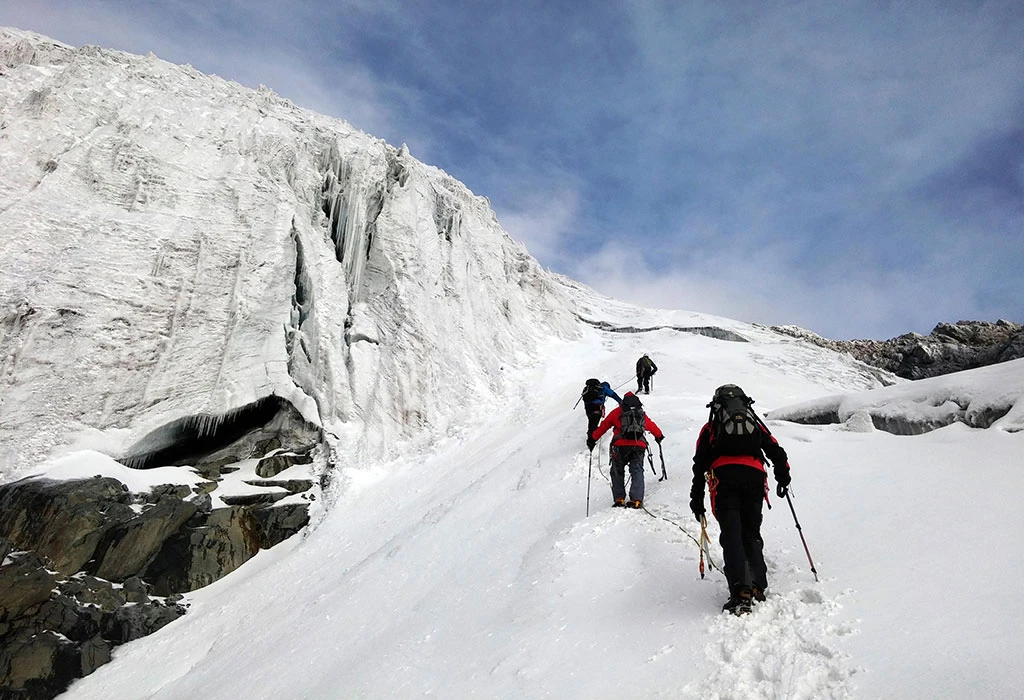
There are two principal trekking routes used by nearly all visitors attempting a Rwenzori Mountains safari, the Central Circuit Route and the Kilembe Trail. Both routes are managed through Rwenzori Mountains National Park and require a licensed guide at all times, since independent trekking without official guiding staff is not permitted anywhere within the protected area.
Choosing between these two routes depends on several factors, including your available time, fitness level, desired scenery, and whether you hope to summit Margherita Peak or simply experience the lower and middle vegetation zones. Both routes offer genuinely spectacular scenery, and reputable operators like Iconic Africa Safaris can help match your fitness and interests to the ideal itinerary.
The table below summarizes the core differences between the two routes at a glance.
| Feature | Central Circuit Route | Kilembe Trail |
|---|---|---|
| Starting point | Nyakalengija, near Kasese | Kilembe town, near Kasese |
| Typical duration to summit | Seven to nine days | Eight to nine days |
| Crowd levels | Moderate, the more established route | Low, generally quieter trails |
| Acclimatization profile | Steeper altitude gain in places | Gradual, gentler altitude gain |
| Alternative non technical summit | Not applicable | Mount Baker |
| Signature highlights | Bujuku Valley, Lake Bujuku, Stanley Plateau | Scenic ridge walks, remote wilderness feel |
The Central Circuit Route
The Central Circuit Route is the oldest and most established trekking path through the Rwenzori range, looping through the heart of the mountains with a series of well built huts providing accommodation each night. This route passes through nearly all five vegetation zones and offers access to Margherita Peak for trekkers pursuing the full summit experience.
A full Central Circuit expedition to the summit typically takes between seven and nine days, depending on the exact itinerary, weather conditions, and the trekker’s acclimatization pace. Shorter versions of four to six days are available for those who wish to experience the moorland and lower peaks without attempting the technical glacier travel required for the true summit.
Highlights along the Central Circuit include the beautiful Bujuku Valley, framed by dramatic peaks on either side, as well as Lake Bujuku itself, a glacial lake reflecting the surrounding mountains on clear days. Trekkers also pass through Elena Hut, the final base before the technical summit push, and cross the striking Stanley Plateau near the top of the range.
The Kilembe Trail
The Kilembe Trail begins near the town of Kilembe, close to Kasese, and offers a quieter, less crowded alternative to the Central Circuit Route. Developed more recently than the traditional route, Kilembe provides a gentler acclimatization profile with a gradual altitude gain, which many trekkers find easier on both the body and the overall trekking experience.
A full Kilembe expedition typically takes eight to nine days round trip when attempting Margherita Peak, similar in overall duration to the Central Circuit but with a different daily rhythm and scenery. The trail offers scenic ridge walks with expansive views and considerably fewer fellow trekkers, appealing to those seeking a more solitary wilderness experience.
One distinctive feature of the Kilembe Trail is its access to Mount Baker, a non technical alternative summit that does not require glacier travel or advanced climbing equipment. Trekkers who want a genuine high altitude summit experience without the technical demands of Margherita Peak often find Mount Baker an excellent and considerably safer alternative worth considering.
Shorter and Non Technical Trekking Options
Not every visitor wants or needs to attempt Margherita Peak, and both major routes offer shorter itineraries of roughly three to five days for trekkers who simply want to experience the lower forest and moorland zones. These shorter treks still offer spectacular scenery, genuine physical challenge, and a strong sense of accomplishment without requiring technical glacier travel.
These abbreviated itineraries are particularly well suited to travelers combining a Rwenzori experience with a broader Uganda safari, since they require considerably less time commitment while still delivering the range’s most photogenic landscapes. Iconic Africa Safaris can help design a shorter Rwenzori add on for clients whose main itinerary focuses on gorilla trekking or classic wildlife safaris elsewhere.
Sample 8 Day Rwenzori Mountains Itinerary
For trekkers with limited time who still want a genuine attempt at the higher zones and a realistic shot at a summit, an eight day itinerary along the Central Circuit Route offers a well paced, achievable structure. Below is a representative day by day outline that Iconic Africa Safaris can adapt to your fitness level and travel dates.
- Day 1, Kasese to Nyakalengija and into the rainforest zone. Trekkers meet their guides and porters at the park gate, complete registration, and begin walking through dense tropical rainforest toward the first mountain hut, gaining roughly six hundred meters of elevation along the way.
- Day 2, Ascending through bamboo and heather forest. The trail climbs steadily through the bamboo belt into the moss draped heather zone, with increasingly cool temperatures and expanding views back toward the Ugandan lowlands below the range.
- Day 3, Entering the afro alpine moorland. Trekkers pass through bogs and boardwalks surrounded by giant lobelias and giant groundsels, reaching a hut positioned near the edge of the true afro alpine zone for the first time.
- Day 4, Acclimatization and short exploration around Lake Bujuku. A shorter, lower effort day built specifically for altitude adjustment, with time to explore the shores of Lake Bujuku and photograph the surrounding glaciated peaks in clearer morning light.
- Day 5, Climbing toward Elena Hut. A demanding day of steep, rocky ascent leading to Elena Hut, the final staging point before the technical summit attempt, where trekkers rest early and prepare climbing equipment for the following predawn departure.
- Day 6, Summit attempt on Margherita Peak and descent. Trekkers depart before dawn, using crampons and ropes to cross the remaining glacier and reach Africa’s third highest summit, before descending the same day to a lower hut for a well earned rest.
- Day 7, Descending through the vegetation zones. A long descent day retracing the route back through moorland, heather forest, and bamboo, with time to appreciate scenery that often looks strikingly different when viewed from the opposite direction.
- Day 8, Final descent to the park gate and return to Kasese. Trekkers complete the remaining descent through tropical rainforest, receive summit certificates at the park office, and transfer back to Kasese for a well deserved hot shower and celebratory meal.
This itinerary can be shortened for trekkers who prefer a non summit moorland experience, or extended by a day or two to build in extra acclimatization time for those with limited high altitude experience beforehand. Trekkers wanting an even longer combined journey can also explore our 14 Day Uganda Gorillas and Mountain Hike package, which pairs this trek with gorilla trekking in a single trip.
Difficulty Level and Fitness Requirements
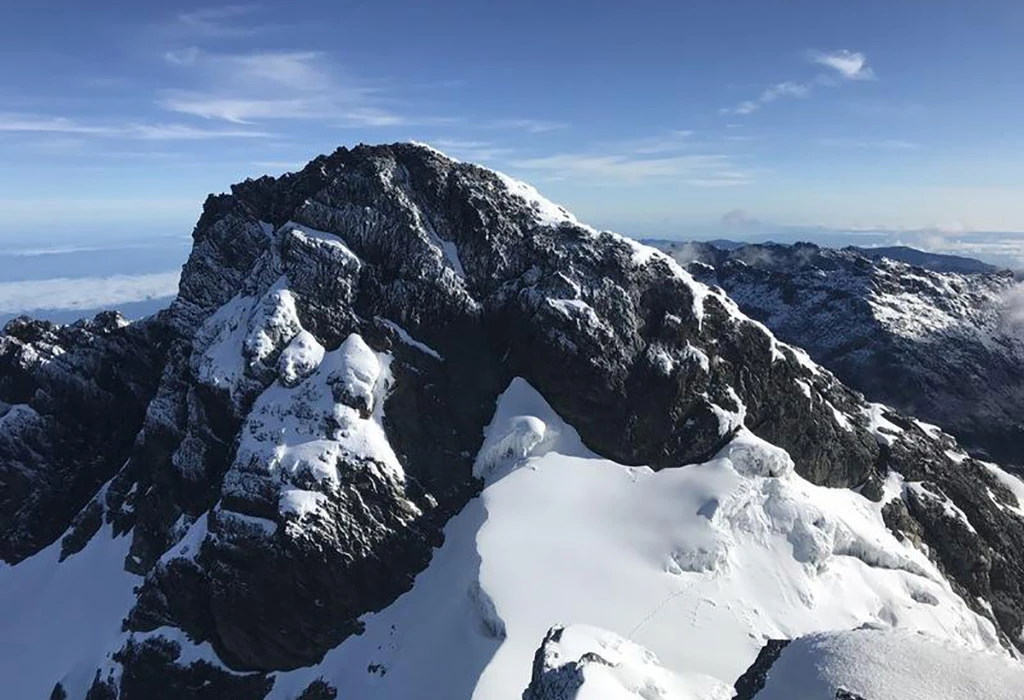
A Rwenzori Mountains safari is, without exaggeration, one of the more physically demanding trekking experiences available in East Africa. Daily hiking often involves six to eight hours of walking across muddy, uneven, and occasionally steep terrain, with sections of scrambling over rocks and roots that require good balance, core strength, and reasonable cardiovascular fitness from every participant.
Trekkers attempting the full summit of Margherita Peak face additional technical demands beyond standard hiking fitness. The final approach requires glacier travel using crampons and ice axes, along with rope work across crevassed terrain under the guidance of trained mountain guides. This is genuine mountaineering, not simply high altitude walking, and should not be underestimated by inexperienced climbers.
For this reason, most reputable operators strongly recommend some prior hiking or trekking experience before attempting a full Rwenzori summit expedition. Regular cardiovascular training, weighted hikes, and stair climbing in the months before departure significantly improve the overall experience and reduce the physical strain of consecutive long trekking days at steadily increasing altitude throughout the trip.
Altitude itself presents a real challenge regardless of physical fitness, since even strong athletes can experience altitude sickness if ascending too quickly. Reputable itineraries build in gradual acclimatization days and realistic daily altitude gains, and trekkers should always communicate openly with their guides about any symptoms of headache, nausea, or dizziness at any point during the expedition.
Permits and Park Regulations
All trekking within Rwenzori Mountains National Park requires a valid permit issued through the Uganda Wildlife Authority, along with a licensed park guide accompanying every group at all times. Independent, unguided trekking is strictly prohibited, both for safety reasons given the technical and unpredictable terrain, and to support the local guiding economy that sustains many communities around the park.
Park entry fees are generally charged on a daily basis and typically fall within the range of thirty five to forty five dollars per person per day, though exact figures can change and should always be confirmed directly with your operator before booking. These fees contribute directly to conservation efforts and community development programs surrounding the national park.
Most comprehensive Rwenzori safari packages, including those arranged through Iconic Africa Safaris, include park fees, guide costs, porter fees, and hut accommodation within a single all inclusive price. This bundled approach removes much of the administrative complexity from planning a trek and allows travelers to focus entirely on preparation and enjoyment rather than navigating permit logistics independently. Contact our team directly for the latest permit pricing before you finalize your travel dates.
Cost of a Rwenzori Mountains Safari
Understanding the true cost of a Rwenzori Mountains safari requires looking beyond a single headline figure, since pricing varies considerably based on route, duration, and the specific inclusions offered by your chosen operator. Generally speaking, longer summit expeditions cost more than shorter moorland treks, and technical equipment rental adds additional expense for those attempting Margherita Peak.
- A full Central Circuit or Kilembe expedition to the summit, typically lasting seven to nine days, generally costs between $1,800 – $2,800 per person, depending on group size, season, and operator. This price usually includes park fees, professional guiding, porter services, meals on the mountain, and accommodation in the network of mountain huts along the route.
- Shorter, non summit treks of three to five days typically cost considerably less, often falling between $700 – $1,200 per person, making them an accessible option for travelers with limited time or budget. These shorter itineraries still deliver spectacular scenery through the lower forest and moorland zones without the added expense of technical summit equipment and staffing.
- Optional technical gear rental, including crampons and ice axes for summit attempts, typically adds an additional $50 – $100 to the overall trip cost, depending on the outfitter. Travelers should always request a clear, itemized breakdown from their chosen operator before booking, confirming exactly what is included and what might incur additional charges during the expedition itself.
The table below breaks down typical costs so you can budget with confidence before booking.
| Item | Typical Cost per Person | Notes |
|---|---|---|
| Park entry fees | $30 – $40 | Charged daily, usually bundled into package pricing |
| Full summit expedition, seven to nine days | $1,800 – $2,800 | Includes guiding, porters, meals, and hut accommodation |
| Shorter moorland trek, three to five days | $700 – $1,200 | No summit attempt, still covers all five vegetation zones |
| Technical gear rental | $50 – $100 | Crampons and ice axe, usually arranged locally |
| Guide and porter tips | Varies by group size | Discuss recommended amounts with your operator in advance |
What to Pack for a Rwenzori Trek
Packing correctly for a Rwenzori Mountains safari is genuinely critical, given the range’s reputation for persistent rainfall and the dramatic temperature swings between the humid lowland forest and the freezing conditions near the summit. Layering is the single most important packing principle, allowing trekkers to adjust quickly as conditions change throughout each day on the mountain.
- Waterproof hiking boots, broken in well before departure, are absolutely essential given the consistently muddy and often boggy trail conditions found throughout the lower and middle vegetation zones. Gaiters are also highly recommended, helping keep mud and water out of boots during the frequent stream crossings and waterlogged sections that characterize much of the lower trail network.
- A quality waterproof jacket and matching waterproof trousers should be considered mandatory rather than optional, since rain is likely on almost any Rwenzori trek regardless of season or careful timing. Beneath these outer layers, moisture wicking base layers and insulated mid layers help regulate body temperature as trekkers move between hot, humid forest and freezing summit conditions.
- For trekkers attempting the summit of Margherita Peak, warm insulated layers become absolutely essential, since temperatures at the higher camps and during the final summit push regularly drop well below freezing, particularly overnight and in the early morning hours before dawn. A warm hat, insulated gloves, and a sleeping bag rated for genuinely cold conditions are non negotiable items.
- Trekking poles significantly ease the strain of the boggy, uneven, and often slippery terrain found throughout the lower trail sections, and most experienced trekkers consider them essential rather than optional equipment. A reliable head torch, water purification tablets or a filtration system, and a well stocked personal first aid kit round out the core list of essential trekking equipment.
- Trekkers pursuing the technical summit of Margherita Peak will also need crampons and an ice axe for the final glacier crossing, though this specialized equipment can typically be rented locally through your operator rather than purchased and transported from home. Confirm rental availability and sizing well in advance with Iconic Africa Safaris or your chosen provider before your departure date.
Use the checklist below as a quick reference while packing your kit bag.
- Footwear. Waterproof, well broken in hiking boots plus gaiters, since muddy and boggy trail sections appear throughout nearly the entire route regardless of season.
- Rain protection. A genuinely waterproof jacket and trousers, treated as mandatory rather than optional given how often rain occurs across the range even in the drier months.
- Layering pieces. Moisture wicking base layers, insulated mid layers, and a warm hat and gloves for the freezing temperatures found near the higher camps and the summit itself.
- Trekking support. Trekking poles for the uneven, slippery terrain, along with a reliable head torch for early predawn starts on summit day.
- Health and hydration. Water purification tablets or a filtration system, a personal first aid kit, and any personal medication packed with extra supply in case of delays.
- Technical summit gear. Crampons and an ice axe for anyone attempting Margherita Peak, typically rented locally rather than carried from home to save on luggage weight.
Wildlife and Biodiversity of the Rwenzori Mountains
While a Rwenzori Mountains safari is primarily a trekking experience rather than a classic wildlife safari, the range still supports a genuinely impressive array of biodiversity, particularly within its lower forest zones. The park protects numerous mammal species, including forest elephants, chimpanzees, various primates, and small antelope, alongside a truly exceptional diversity of birdlife found nowhere else.
Birdwatchers in particular will find the Rwenzoris rewarding, with over two hundred recorded bird species inhabiting the park, including numerous Albertine Rift endemics found in very few other locations worldwide. The lower forest zones offer the best birding opportunities, and trekkers with a genuine interest in ornithology should consider building extra time into their itinerary specifically for observation.
The three horned chameleon, a species found almost exclusively within the Rwenzori range, represents one of the park’s most unusual and sought after wildlife sightings for visiting naturalists and photographers. Spotting this elusive reptile requires patience and sharp eyed guides, but encountering one remains a genuine highlight for many trekkers passing through the lower forest sections of the route.
Beyond animal life, the Rwenzoris are perhaps best known among botanists for their extraordinary afro alpine flora, particularly the giant lobelias and giant groundsels that dominate the moorland zone. These plants have evolved remarkable adaptations to survive extreme daily temperature swings at altitude, and their strange, almost sculptural forms make the moorland zone feel genuinely unlike anywhere else on the continent.
A few species stand out as especially memorable for trekkers moving through the lower and middle zones.
- Forest elephants. Occasionally spotted or heard moving through the dense lower rainforest, though sightings are far from guaranteed given the thick vegetation and their naturally shy behavior.
- Chimpanzees. Present in the forested lower slopes, though less habituated to human presence than the chimpanzee communities found in nearby Kibale National Park.
- Three horned chameleon. A genuinely rare reptile found almost exclusively within the Rwenzori range, and a favorite sighting among visiting photographers and naturalists.
- Albertine Rift endemic birds. Over two hundred recorded species inhabit the park, including numerous birds found in very few other locations anywhere in the world.
- Giant lobelias and giant groundsels. Extraordinary afro alpine plants unique to the moorland zone, with sculptural forms adapted to survive dramatic daily temperature swings at altitude.
Guides, Porters, and the Local Trekking Economy
Every Rwenzori Mountains safari relies heavily on local guides and porters, many of whom come from the Bakonzo communities living around the base of the range and possess generations of accumulated knowledge about its trails, weather patterns, and terrain. Their expertise is not simply helpful but genuinely essential for safe and successful navigation through this remote and technically demanding wilderness. Learn more about the guiding team behind these treks on our About page.
Beyond safety and navigation, hiring local guides and porters directly supports surrounding communities economically, providing meaningful employment in an otherwise economically challenging region. Responsible operators, including Iconic Africa Safaris, ensure fair wages, proper equipment, and appropriate working conditions for all local staff, recognizing that sustainable tourism depends fundamentally on treating these essential workers with genuine respect and fairness.
Trekkers should budget appropriately for tipping guides and porters at the conclusion of their expedition, since this remains an important part of local income in the trekking economy surrounding the park. Most operators can provide guidance on appropriate tipping amounts based on group size and trip duration, helping ensure fair and consistent compensation across the entire support team.
Mountain Hut Accommodation
Accommodation along both major Rwenzori trekking routes consists primarily of a network of mountain huts spaced along the trail, offering basic but genuinely welcome shelter after long days of hiking through challenging terrain. These huts typically provide dormitory style sleeping arrangements, communal cooking and dining space, and protection from the persistent rain that characterizes much of the range.
While comfort levels are understandably basic compared to lodge based safaris elsewhere in Uganda, the huts represent a significant improvement over tent camping given the consistently wet conditions found throughout the range. Most huts include solid roofing, sleeping platforms, and communal areas where trekking groups can dry gear, share meals, and rest before the following day’s climb.
Meals during the trek are typically prepared by accompanying porters and cooking staff, offering hearty, calorie dense food designed to fuel long days of strenuous physical activity at increasing altitude. Trekkers with specific dietary requirements or allergies should communicate these clearly to their operator well in advance, allowing adequate time for proper meal planning and ingredient sourcing before departure.
Altitude Sickness and Safety Considerations
Altitude sickness represents one of the most significant risks facing any trekker attempting the higher sections of a Rwenzori Mountains safari, since even physically fit individuals can experience symptoms if ascending too rapidly without proper acclimatization. Common early symptoms include headache, nausea, dizziness, and fatigue, and recognizing these signs early is genuinely critical for trekker safety.
Well designed itineraries build in gradual altitude gain and dedicated acclimatization time, reducing the likelihood of serious altitude related complications during the trek. Trekkers should always communicate honestly with their guides about any symptoms experienced along the route, since guides are trained to recognize warning signs and make appropriate decisions about pacing, rest, or descent when necessary.
Watch for the following early warning signs and share them with your guide immediately.
- Headache. Often the earliest and most common symptom, particularly noticeable after arriving at a new, higher camp for the night.
- Nausea or loss of appetite. A frequent secondary symptom that can worsen quickly if ascent continues without adequate rest or hydration.
- Dizziness or lightheadedness. A signal that acclimatization is lagging behind the current altitude, and a clear cue to slow pace or pause ascent entirely.
- Unusual fatigue. Tiredness that feels disproportionate to the day’s actual effort, often an early indicator worth flagging to your guide right away.
- Difficulty sleeping. Common at higher camps and worth monitoring, particularly if paired with any of the other symptoms listed above.
Beyond altitude sickness, trekkers should also prepare for the genuine physical demands of technical terrain, including steep, muddy sections, stream crossings, and glacier travel near the summit. Proper equipment, realistic fitness preparation, and honest communication with experienced guides throughout the trek significantly reduce risk and contribute to a considerably safer overall expedition experience for every participant.
Travel insurance covering high altitude trekking and emergency evacuation is strongly recommended for anyone attempting a Rwenzori Mountains safari, particularly those pursuing the technical summit of Margherita Peak. Confirm that your policy specifically covers activities at the altitudes involved, since standard travel insurance policies sometimes exclude high altitude mountaineering without additional specific coverage arranged in advance.
Rwenzori Mountains Compared to Kilimanjaro and Mount Kenya
Travelers considering multiple East African peaks often want to understand how the Rwenzori Mountains compare to the more famous Kilimanjaro and Mount Kenya before deciding where to focus their trekking energy and budget. While Kilimanjaro remains the tallest and most climbed of the three, the Rwenzoris offer a genuinely different and considerably less crowded wilderness experience.
Kilimanjaro, at 5,895 meters, is technically the highest of the three peaks and is generally considered a non technical trekking peak, meaning most reasonably fit hikers can reach the summit without specialized climbing equipment or prior mountaineering experience. However, its popularity means trails can feel considerably busier, particularly during peak season, compared to the relative solitude found on Rwenzori routes.
Mount Kenya, reaching 4,985 meters at Point Lenana, offers a moderate difficulty level and a shorter typical duration of four to five days, making it an accessible option for travelers with limited time. Like Kilimanjaro, the standard trekking route to Point Lenana does not require technical glacier travel, though the true summit peaks do demand genuine climbing skill and equipment.
The Rwenzori Mountains, by contrast, present the most technically demanding of the three trekking peaks, requiring genuine glacier travel and rope work for anyone attempting the true summit of Margherita Peak. In exchange for this added difficulty, trekkers gain access to remarkably varied terrain, exceptional biodiversity, and trails that remain genuinely quiet even during the busiest travel seasons.
The table below places all three peaks side by side for a clearer, at a glance comparison.
| Feature | Rwenzori, Margherita Peak | Kilimanjaro | Mount Kenya, Point Lenana |
|---|---|---|---|
| Summit height | 5,109 meters | 5,895 meters | 4,985 meters |
| Technical difficulty | High, glacier travel and rope work required | Low to moderate, non technical trekking peak | Moderate, non technical standard route |
| Typical duration | Seven to nine days | Five to nine days | Four to five days |
| Crowd levels | Low, genuinely quiet trails | Very high, especially peak season | Moderate |
| Terrain variety | Very high, five distinct vegetation zones | High | Moderate |
| Best suited for | Experienced trekkers seeking a fresh challenge | First time high altitude trekkers | Travelers with limited time |
For travelers who have already experienced Kilimanjaro or Mount Kenya and are seeking a fresh, less crowded, and more technically engaging challenge, the Rwenzoris offer an excellent next step. For those attempting their very first major high altitude trek, the shorter, non technical moorland options on either major Rwenzori route provide a gentler introduction without sacrificing the range’s spectacular scenery.
Combining a Rwenzori Trek With the Rest of Uganda
Because the Rwenzori Mountains sit in western Uganda, relatively close to several other major national parks, many travelers choose to combine their trek with additional safari experiences elsewhere in the country. Queen Elizabeth National Park lies within a reasonable driving distance, offering classic game drives and boat cruises along the Kazinga Channel as a natural complement.
Gorilla trekking in Bwindi Impenetrable Forest and chimpanzee tracking in Kibale National Park also pair well with a Rwenzori itinerary, allowing travelers to experience Uganda’s full range of wildlife and adventure offerings within a single, well planned trip. Browse our 5 Day Discounted Gorilla and Chimp Trekking Safari for one popular way to combine both experiences.
For travelers with limited time, a shorter three to five day Rwenzori trek can be incorporated into a broader two week Uganda itinerary without requiring the full commitment of a nine day summit expedition. This flexible approach allows visitors to experience the range’s most photogenic lower zones while still leaving ample time for gorilla trekking and classic savannah wildlife viewing elsewhere.
Tips for First Time Rwenzori Trekkers
First time trekkers should begin physical preparation several months before departure, focusing on cardiovascular fitness, leg strength, and practice hikes carrying a loaded daypack over varied terrain whenever possible. This preparation significantly improves comfort and enjoyment during the actual trek, reducing fatigue and allowing trekkers to focus more fully on the spectacular scenery surrounding them each day.
Booking through an experienced, reputable operator familiar with current trail conditions, weather patterns, and permit logistics removes significant stress from the planning process and generally results in a considerably smoother overall experience. Iconic Africa Safaris brings extensive local knowledge and established relationships with guiding cooperatives, helping first time trekkers navigate every stage of the journey with confidence.
Building buffer days into your itinerary provides valuable flexibility in case of unpredictable mountain weather, minor injuries, or the need for additional acclimatization time at higher camps. Rushing an itinerary in pursuit of a strict schedule increases both physical risk and the likelihood of missing spectacular scenery along the way, so patience genuinely pays off on this particular mountain.
Finally, approaching the trek with realistic expectations about difficulty, weather, and basic hut accommodation helps first time trekkers enjoy the experience fully rather than feeling frustrated by conditions that are simply inherent to this remote wilderness environment. Those who embrace the challenge, rather than resisting it, consistently report the Rwenzoris among their most memorable African travel experiences.
Keep these quick reminders in mind as your departure date approaches.
- Train months ahead, not weeks ahead. Cardiovascular fitness and loaded daypack practice hikes build the stamina needed for consecutive long trekking days at altitude.
- Book with an experienced local operator. Current trail knowledge, permit logistics, and established guiding relationships remove significant stress from the planning process.
- Build in buffer days. Extra flexibility helps absorb unpredictable weather, minor injuries, or additional acclimatization needs without derailing the entire itinerary.
- Set realistic expectations. Basic hut accommodation and near constant rain are simply part of this environment, and accepting that in advance leads to a far more enjoyable trek.
Photography on a Rwenzori Mountains Safari
The Rwenzori range offers extraordinary photographic opportunities, from mist wrapped rainforest canopies to the almost alien silhouettes of giant lobelias against dramatic moorland skies. Photographers should pack extra memory cards and spare batteries, since charging opportunities are limited along the trail, and cold temperatures near the summit can drain battery life considerably faster than expected on longer trekking days.
A waterproof camera bag or dry sack is essential given the persistent rain and humidity found throughout most of the trek, particularly in the lower forest and bamboo zones. Early morning light in the moorland zone often produces the most striking images, as mist lingers around the giant groundsels before burning off later in the day.
Cultural Encounters With the Bakonzo Community
The Bakonzo people have lived around the base of the Rwenzori Mountains for many generations, developing a rich cultural relationship with the range that predates modern tourism entirely. Many guides and porters share stories, songs, and local knowledge along the trail, offering trekkers genuine insight into a culture deeply intertwined with this remarkable mountain environment.
Travelers with extra time before or after their trek can often arrange visits to nearby Bakonzo villages, learning about traditional farming practices, local crafts, and community conservation initiatives supported by tourism revenue. These cultural encounters add valuable context to the trekking experience and directly support the communities whose knowledge makes safe mountain travel possible in the first place.
Responsible and Sustainable Trekking Practices
Rwenzori Mountains National Park operates under a Leave No Trace philosophy, and responsible trekkers should carry out all waste generated during their expedition, minimize disturbance to fragile afro alpine vegetation, and stay strictly on designated trails at all times. These practices help preserve the range’s exceptional biodiversity and unique ecosystems for future generations of trekkers and researchers alike.
Choosing operators committed to fair wages, proper safety equipment, and genuine community engagement helps ensure that tourism revenue meaningfully benefits the Bakonzo communities surrounding the park rather than being concentrated elsewhere. Iconic Africa Safaris prioritizes these sustainable and responsible travel practices throughout every Rwenzori itinerary, working closely with local guiding cooperatives and community based conservation initiatives around the range.
Climate change poses a genuine and accelerating threat to the Rwenzori glaciers, with scientific studies indicating significant ice loss over recent decades across the range’s highest peaks. Responsible trekking operators support ongoing conservation research and community education efforts, recognizing that protecting this fragile high altitude ecosystem requires sustained, coordinated effort well beyond the immediate tourism industry alone.
Frequently Asked Questions About the Rwenzori Mountains Safari
Do I need prior mountaineering experience for a Rwenzori trek?
Many first time visitors wonder whether prior mountaineering experience is required for a Rwenzori trek, and the honest answer depends entirely on your chosen route. Shorter moorland treks require only reasonable fitness, while attempting Margherita Peak demands genuine glacier travel skills, which experienced guides can teach during preparation, though prior hiking experience remains strongly recommended beforehand.
How crowded are the Rwenzori trails compared to Kilimanjaro?
Another common question concerns how the Rwenzoris compare in crowding to Kilimanjaro, and the difference is significant. While Kilimanjaro can see hundreds of trekkers on popular routes during peak season, the Rwenzoris remain genuinely quiet, with many trekkers reporting entire days on the trail without encountering another group, a rare experience among major African peaks.
Will I have mobile phone signal on the mountain?
Visitors also frequently ask about mobile phone signal and connectivity along the route, and the reality is that coverage becomes increasingly unreliable and eventually disappears entirely above the lower forest zones. Trekkers should inform family or colleagues in advance that communication will be limited for the duration of the expedition, and satellite communication devices can offer additional peace of mind.
Can children or older adults attempt a Rwenzori trek?
Finally, many travelers ask whether children or older adults can safely attempt a Rwenzori trek, and while there is no strict age limit, the physical and technical demands of this particular range mean careful individual assessment matters more than age alone. Consulting directly with an experienced operator about specific fitness levels and health considerations is strongly recommended before booking.
Can I combine this trek with gorilla trekking in Uganda?
Yes, this is one of the most popular questions we receive, and the answer is a definite yes. Many travelers pair a Rwenzori trek with gorilla trekking in Bwindi Impenetrable Forest or chimpanzee tracking in Kibale National Park, and Iconic Africa Safaris regularly designs multi destination itineraries that balance mountain trekking with these classic wildlife encounters within a single, well planned trip.
What is the single most important thing to book in advance?
Beyond permits themselves, securing an experienced local guide and confirming your preferred trekking dates as early as possible matters most, particularly during the two dry season windows when demand is highest. Booking several months ahead also gives you time to prepare physically, source proper gear, and build any acclimatization or buffer days into your final itinerary.
Final Thoughts on Planning Your Rwenzori Mountains Safari
A Rwenzori Mountains safari rewards travelers willing to trade the comfort of a conventional safari vehicle for the genuine challenge and solitude of remote, high altitude trekking. Few destinations anywhere in Africa offer this particular combination of dramatic ecological diversity, mythological history, technical mountaineering, and near total absence of crowds found consistently along both major trekking routes.
Whether you choose the established Central Circuit Route or the quieter Kilembe Trail, whether you pursue the full technical summit of Margherita Peak or a shorter moorland exploration, careful preparation and the right operator make all the difference. Proper gear, realistic fitness training, and flexibility around weather transform a genuinely demanding trek into an unforgettable highlight of any Uganda journey.
The Mountains of the Moon have captured the imagination of explorers, geographers, and travelers for centuries, and walking through their five distinct vegetation zones remains one of the most singular experiences available anywhere on the continent. With thoughtful planning and an experienced local partner, this remote and spectacular range is well within reach for prepared and motivated trekkers.
Ready to Book Your Mountain Rwenzori Safari with Iconic Africa Safaris?
Iconic Africa Safaris offers three simple, reliable ways to secure your next unforgettable Ugandan adventure today. Simply complete our quick online booking form to start planning your dream safari experience right away. Our friendly team also welcomes direct emails at info@iconicafricasafaris.com to discuss your specific travel plans and preferences. For instant assistance, tap the green WhatsApp icon in your screen’s bottom right corner anytime.