
Safari overview
Track mountain gorillas in two countries and enjoy Big Five game viewing on one well-paced seven-day journey through Rwanda and Uganda.
This private seven-day safari brings together game drives, a relaxed boat cruise and two unforgettable gorilla treks. Starting at Kigali International Airport, you travel east to Akagera National Park, home to the Big Five, for game drives and a cruise on Lake Ihema.
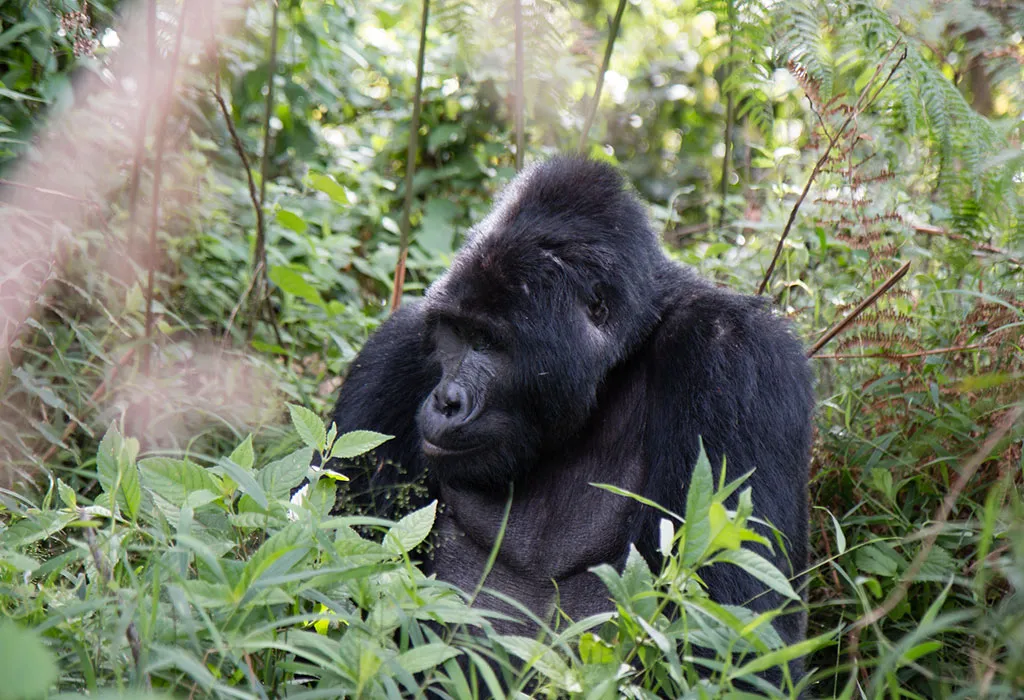
You then head to Volcanoes National Park for your first gorilla trek in the misty Virunga Mountains, before crossing into Uganda for a second trek in Bwindi Impenetrable National Park, among the famous silverbacks.
Along the way, the journey includes optional cultural encounters with local communities and scenic lake views, all backed by professional guides who put your comfort and safety first. Choose mid-range or luxury accommodation to suit your style.
Tour highlights
Experience Rwanda’s and Uganda’s savannah wildlife, lakes and gorilla forests on one private seven-day safari.
- First mountain gorilla trek in Volcanoes National Park, Rwanda
- Second mountain gorilla trek in Bwindi Impenetrable National Park, Uganda
- Game drives in Akagera National Park, home to the Big Five
- Boat cruise on Lake Ihema among hippos, crocodiles and water birds
- Scenic drive through Rwanda’s hills and across the Cyanika border into Uganda
- Optional Iby’Iwacu Cultural Village, Karisoke Research Centre or Batwa community visit
- Mid-range or luxury lodges in every park
Detailed itinerary
Day 1
Kigali to Akagera National Park with a Late Afternoon Game Drive
Your driver-guide meets you at Kigali International Airport or your hotel in Kigali. After a short briefing, drive east to Akagera National Park, where a late afternoon game drive gets the wildlife viewing under way.
As the sun sets over the savannah, look out for zebras, giraffes, buffaloes, rhinos, lions, elephants and a variety of antelopes. Return to your lodge for dinner and a restful night.
- Approximately 2 to 3 hours’ drive, followed by a late afternoon game drive
- Mid-Range: Akagera Game Lodge | Luxury: Ruzizi Tented Lodge
- Lunch and dinner
Day 2
Morning Game Drive and Lake Ihema Boat Cruise
Rise early, at around 6:00 a.m., for a morning game drive through Akagera. The park is home to the Big Five, and you may also see giraffes, zebras, topis, waterbucks, impalas, kobs and bush babies. Return to the lodge for breakfast and a short rest.
In the afternoon, board a boat on Lake Ihema for a relaxed cruise, passing hippos in the shallows, crocodiles basking on sandy banks and colourful water birds overhead. Return to your lodge for dinner and a second night in the park.
- Morning game drive; afternoon boat cruise on Lake Ihema
- Mid-Range: Akagera Game Lodge | Luxury: Ruzizi Tented Lodge
- Breakfast, lunch and dinner
Day 3
Drive to Volcanoes National Park via Kigali
After breakfast, leave Akagera and drive west towards Volcanoes National Park, passing through Kigali, where you stop for lunch and a quick look at the city. Rolling hills and green countryside lead you towards the Virunga volcanoes.
Settle into your lodge for the night among misty mountains and forest sounds, ready for tomorrow’s first gorilla trek.
- Approximately 5 to 6 hours’ drive, with a lunch stop in Kigali
- Mid-Range: Ingagi Lodge | Luxury: Amakoro Songa Lodge
- Breakfast, lunch and dinner
Day 4
First Gorilla Trek in Volcanoes National Park
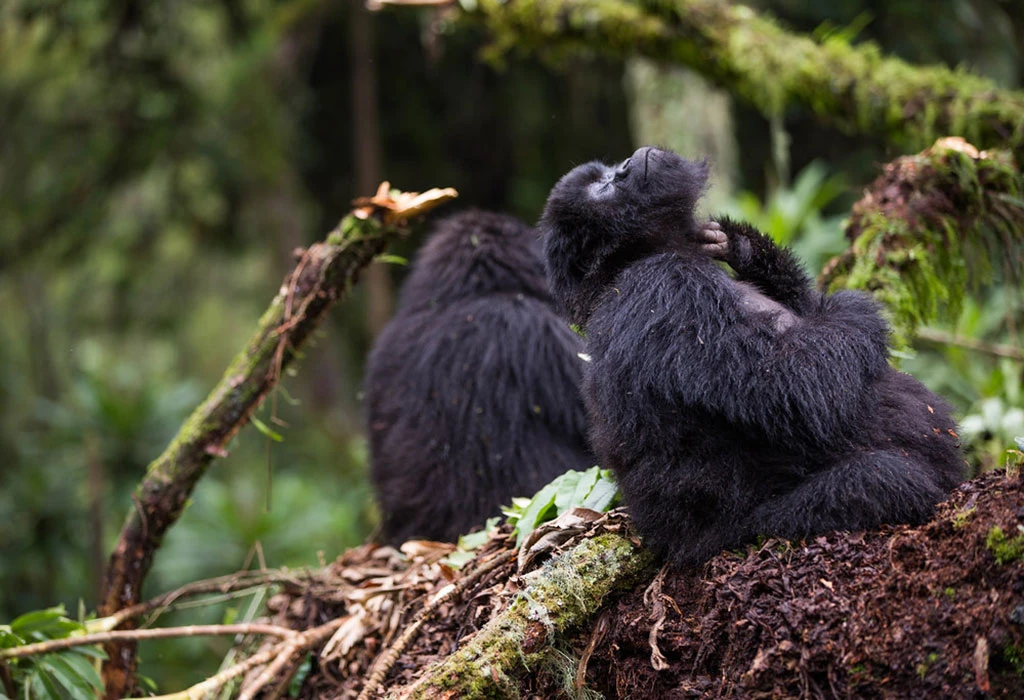
Wake early for a hearty breakfast, then head to Kinigi park headquarters for the 7:30 a.m. briefing. Rangers explain the rules for spending time with gorillas and divide trekkers into groups of eight, each assigned to a gorilla family. Guides then lead you into the bamboo forest while trackers radio ahead with the family’s location.
The trek can take from 1 to 5 hours, depending on where your family is feeding that morning. Once you find them, you spend one hour watching silverbacks guard their group, mothers with infants and juveniles at play.
Return to the lodge for lunch and rest. In the evening, you may choose the Iby’Iwacu Cultural Village for traditional dance, drumming and storytelling, or visit the Karisoke Research Centre, where Dian Fossey once worked, to learn about the history of gorilla conservation. The cultural village visit is optional and costs extra.
- Allow most of the day for trekking; walking time varies
- Mid-Range: Ingagi Lodge | Luxury: Amakoro Songa Lodge
- Breakfast, lunch and dinner
Day 5
Cross into Uganda and Arrive at Bwindi Impenetrable Forest
After breakfast, drive to the Cyanika border crossing into Uganda. Once formalities are complete, continue for about 2 to 3 hours to Bwindi Impenetrable National Park, an ancient rainforest that shelters roughly half of the world’s remaining mountain gorillas.
Optionally, stop at Lake Mutanda for a canoe paddle with local fishermen, birdwatching or a lakeside community visit. Check into your lodge in the afternoon, have dinner and prepare for your second trek.
- Border crossing, then approximately 2 to 3 hours’ drive to Bwindi
- Mid-Range: Gorilla Leisure Lodge | Luxury: Gorilla Safari Lodge
- Breakfast, lunch and dinner
Day 6
Second Gorilla Trek in Bwindi and Optional Batwa Experience
Wake early for breakfast and head to the park headquarters for the 7:30 a.m. briefing, where rangers outline the rules and form groups of eight for each gorilla family. Guides escort you into the dense forest while trackers radio ahead to lead the way.
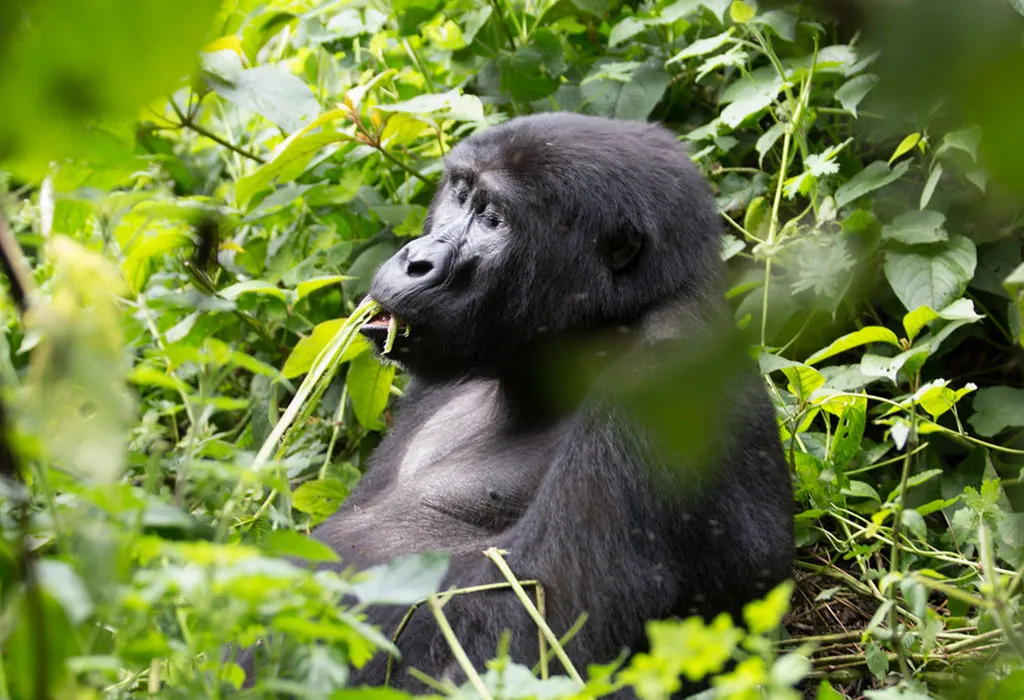
Expect a hike of 2 to 6 hours, since Bwindi’s terrain is steeper and gorilla families can range further than in Volcanoes. Once you reach them, you have one hour to watch the family foraging, grooming and resting in the undergrowth. Rangers present certificates back at the trailhead.
After lunch and some downtime, you may visit the Batwa community for performances, hunting demonstrations and honey-gathering stories reflecting a long forest heritage, or browse local craft stalls for baskets, beaded jewellery and wood carvings. Enjoy dinner on your final night in Bwindi.
- Allow most of the day for trekking; walking time varies
- Mid-Range: Gorilla Leisure Lodge | Luxury: Gorilla Safari Lodge
- Breakfast, lunch and dinner
Day 7
Drive Back to Kigali for Departure
Enjoy an early breakfast at your Bwindi lodge, then set off for Kigali via the Katuna border, arriving around midday. After lunch, and depending on your flight schedule, you may visit the Kigali Genocide Memorial to learn about this important chapter of Rwanda’s history.
Your driver-guide then drops you at Kigali International Airport or your hotel, bringing the safari to a close with memories of wildlife, gorillas and culture. Border crossing and traffic times can vary, so allow a comfortable margin before your flight.
- Approximately 5 to 6 hours’ drive, depending on the border and traffic
- No accommodation unless an extra night is requested
- Breakfast and lunch
Request a quote
Tell us your preferred travel dates, number of travellers and accommodation choice. A safari specialist will prepare a tailored quotation for your Rwanda-Uganda double gorilla trekking and game safari.
- Free, no-obligation quote
- Rwanda and Uganda gorilla permit arrangements
- Mid-range or luxury lodge selection
You May Like other Related Safaris
Every journey here is ready to book exactly as planned, or tailored further to match your dates, budget, and travel style. Choose a package that speaks to you, then make it entirely your own. Your perfect escape starts with one click.
FAQs for 7-Day Rwanda-Uganda Double Gorilla Trekking and Game Safari
Planning to trek gorillas in both Rwanda and Uganda, with game drives in Akagera along the way? These are the questions travellers ask most often about this two-country safari, answered honestly so you can plan your trip and book with confidence.
What is the price of this safari and what does it cover?
The 7-Day Rwanda-Uganda Double Gorilla Trekking and Game Safari starts from $4,180 per person sharing. The net cost depends on your group size, travel season, and whether you choose mid-range or luxury lodges, and solo travellers should expect a single supplement. The price covers private 4×4 transport with a driver-guide, fuel, meals and accommodation as listed in the itinerary, park entrance fees, both gorilla trekking permits, the Lake Ihema boat cruise, bottled drinking water, and government taxes. International flights, nights before or after the trip, the optional Iby’Iwacu Cultural Village visit, souvenirs, tips, and porter hire are not included. Your final quotation confirms exactly what applies to your group.
How much of the cost is gorilla permits and park fees?
Permits and park fees make up a large share of the price. A Rwanda gorilla permit costs $1,500 per person and a Uganda gorilla permit costs $800 per person, so the two permits alone come to $2,300 per person. Akagera National Park charges $100 per person per day at the foreign non-resident rate. These fees are already built into your trip cost, and your quotation shows the breakdown for your group so there are no surprises later.
How does the 7-day Rwanda-Uganda double gorilla itinerary work?
Day one starts at Kigali airport with a drive to Akagera National Park and a late afternoon game drive. Day two combines a morning game drive with an afternoon boat cruise on Lake Ihema. On day three you drive to Volcanoes National Park via Kigali, and day four is your first gorilla trek in Rwanda. Day five takes you across the border into Uganda and on to Bwindi, day six is your second gorilla trek, and day seven is the drive back to Kigali for your departure.
How does the border crossing between Rwanda and Uganda work?
You cross at Cyanika on day five, heading from Rwanda into Uganda, and return through Katuna on day seven. The crossing is straightforward, and your driver-guide helps you through the formalities. From the border it takes about two to three hours to reach Bwindi. Keep your passport, visa documents, and vaccination certificate easy to reach, and expect some waiting time at immigration, which varies with the day and the queue.
Do I need a visa for both Rwanda and Uganda?
Entry rules depend on your nationality, so check the current requirements before you travel. Many visitors can apply for a Rwandan visa online or on arrival, and some nationalities are exempt. For a trip that crosses from Rwanda into Uganda, the East Africa Tourist Visa may suit you, since it covers more than one country in the region, but confirm its current availability for your passport. Make sure your passport is valid for at least six months, carry proof of yellow fever vaccination, and ask your doctor about other recommended vaccinations. We can guide you through the process.
What will I see on the Akagera game drives and boat cruise?
Akagera National Park is Rwanda’s savanna park and is home to the Big Five, along with giraffes, zebras, topis, waterbucks, impalas, and kobs. You have a late afternoon game drive on day one and an early morning game drive around 6:00 a.m. on day two. In the afternoon, the boat cruise on Lake Ihema brings you close to hippos, crocodiles, and many water birds. These are wild animals, so sightings vary, but the two drives give you a good chance of a rewarding wildlife experience.
How do the Rwanda and Uganda gorilla treks differ?
The two treks feel quite different. In Volcanoes National Park, you hike through bamboo forest and volcanic slopes, and the trek can last from 1 to 5 hours. Bwindi Impenetrable National Park has steeper, denser rainforest, and the families can range further, so expect a hike of 2 to 6 hours. In both parks you start with a 7:30 a.m. briefing and spend one hour with the gorillas once you find them. Doing both lets you compare the habitats and meet different gorilla families.
How long will I spend with the mountain gorillas?
Once the trackers locate your gorilla family, you are allowed one hour with them on each trek. Visitors are grouped in small numbers, with a maximum of eight people per gorilla family each day, which keeps the encounter calm and protects the animals. You can watch the silverback, mothers, and playful juveniles while taking photographs without flash. The time spent finding the family varies from day to day, so the overall trek can be shorter or longer than you expect.
Can I choose which gorilla family I trek?
Gorilla families are assigned by park rangers at the morning briefing rather than chosen in advance, in both Volcanoes and Bwindi. Rangers consider the fitness levels and preferences of the group, so travellers who prefer a gentler hike can request an easier family and those who want a longer trek can ask for a more distant one. Assignments depend on the day and on where each family is located. Mention any mobility or fitness concerns to your driver-guide early so they can raise them with the rangers.
How physically demanding is this safari?
It is moderately demanding. The game drives and boat cruise need no special fitness, but the two gorilla treks involve hiking through forest and volcanic terrain at altitudes of up to 2,500 metres or higher. Trails can be steep, muddy, and slippery, especially in Bwindi. A reasonable level of fitness helps, and porters are available in both parks to carry your daypack and assist on steeper sections. Tell us about any health or mobility concerns before booking so we can plan around them.
Is there a minimum age for gorilla trekking?
Yes. Visitors must be at least 15 years old to track mountain gorillas in both Rwanda and Uganda, and park authorities enforce this strictly. Younger children cannot join the treks, even with a parent. If you are travelling as a family, tell us the ages of everyone in your group before booking so we can discuss alternatives for younger members, such as lodge time, community visits, or the Akagera game drives while the rest of the group trekks.
What rules should I follow near the gorillas?
Follow your ranger’s instructions at all times. Keep the distance the rangers specify, speak quietly, and avoid sudden movements. Do not use flash photography, and never touch or feed the gorillas. Do not eat, drink, or smoke near them. If a gorilla comes close, stay calm and let it pass. Gorillas are vulnerable to human illnesses, so visitors also follow hygiene and health guidance given during the briefing, including wearing a face mask when instructed.
What happens if I feel sick before a gorilla trek?
Tell your driver-guide and park staff straight away if you have a cold, flu symptoms, diarrhoea, or any other contagious illness. Mountain gorillas can catch human diseases, so rangers may stop visitors who are unwell from trekking. With two treks in two countries, refunds or rescheduling depend on the permit conditions set by the Rwanda Development Board and the Uganda Wildlife Authority. We recommend travel insurance that covers medical issues and trip interruption, and we encourage you to rest and stay hydrated before each trek day.
Are the gorilla permits guaranteed?
Permits are limited and issued separately by the Rwanda Development Board and the Uganda Wildlife Authority. We first check availability for both dates before confirming your booking, and once we purchase the permits on your behalf, your trekking spots are secured. Sightings of habituated gorilla families are highly likely, but these are wild animals, so no operator can offer an absolute guarantee. Because demand is high, book 4 to 6 months ahead, especially for the dry seasons and holiday periods.
What accommodation is used on this safari?
In Akagera, mid-range guests stay at Akagera Game Lodge and luxury guests at Ruzizi Tented Lodge. Near Volcanoes National Park, the options are Ingagi Lodge (mid-range) and Amakoro Songa Lodge (luxury). In Bwindi, you stay at Gorilla Leisure Lodge (mid-range) or Gorilla Safari Lodge (luxury). Lodges are subject to availability at the time of booking, and we may suggest comparable alternatives if your first choice is full. Your final quotation lists the confirmed lodges before you pay.
What are the optional evening activities and worth adding?
After the Rwanda trek, you can choose between the Iby’Iwacu Cultural Village, with traditional dance, drumming, and storytelling, or the Karisoke Research Centre, which explores Dian Fossey’s work and gorilla conservation. After the Bwindi trek, you can visit the Batwa community for performances and forest heritage stories, or browse local artisan stalls. On day five you can also stop at Lake Mutanda for a canoe paddle, birdwatching, or a lakeside community visit. The Iby’Iwacu visit is not included in the starting price, so tell us if you want it added.
What time should my departure flight be on day seven?
On the final day, you leave Bwindi after an early breakfast and reach Kigali around midday, after crossing at Katuna. Border and road conditions can add time, so we recommend a departure flight in the late afternoon or evening. If your schedule allows, you can have lunch in Kigali and visit the Kigali Genocide Memorial before your transfer to the airport or hotel. Share your flight details early so your driver-guide can time the drive around them.
What type of vehicle is used and can the safari be customized?
You travel in a customized 4×4 Safari Land Cruiser with a pop-up roof for wildlife viewing and photography, stocked with bottled drinking water, and every passenger gets a window seat. The itinerary can also be adjusted to your dates, pace, group size, and budget. We can swap lodges, add chimpanzee trekking or a Lake Kivu extension, or rearrange activities. Tell us what you would like and we will adapt the plan.
When is the best time to go, and what should I pack?
The dry seasons, from June to September and from December to February, are best because trails are drier and easier to hike. Gorilla trekking runs all year, and the wetter months, March to May and October to November, bring lush scenery and fewer crowds, with muddier trails. Pack sturdy waterproof hiking boots, gardening-style gloves, long sleeves and trousers in neutral colours, a rain jacket, sun protection, insect repellent, a face mask, binoculars, and a camera. Rwanda and Uganda both restrict single-use plastic bags, so leave them at home.
Should I tip, and what should I do about insurance and money?
Tips are not included, but they are a customary way to thank your driver-guide, rangers, trackers, and porters. Porter hire is optional, carries its own fee, and supports families living around the parks. There is no fixed amount, so tip according to the service you receive. We strongly recommend comprehensive travel insurance covering medical care, emergency evacuation, cancellation, and interruption. Carry recent, undamaged US dollar notes, and bring a card for lodge extras where accepted.
How do I book this safari and what happens next?
Send us your preferred travel dates, number of travellers, and accommodation level. We first check gorilla permit availability in both Rwanda and Uganda, then prepare a detailed quotation with your lodges, inclusions, and total cost. Once you approve the itinerary and agree the payment terms, we purchase your permits and confirm the lodge and transport reservations. Because permits are limited, booking several months ahead is wise.