This 11-Day Uganda Gorillas, Chimps & Culture safari takes you through some of the country’s most remarkable landscapes and wildlife destinations. From the wild plains of Kidepo Valley and the dramatic Murchison Falls to chimpanzee rich Kibale Forest, Queen Elizabeth National Park and Bwindi Impenetrable Forest, every stop offers a different experience. Along the way, enjoy game drives, a Nile boat cruise, chimpanzee tracking, gorilla trekking and an authentic Batwa cultural encounter.
Cost Includes
Transportation (Car, Fuel, Driver Guide)
Meals & Accommodation as mentioned
Gorilla Trekking Permit
Karamajong Cultural Experience
Chimpanzee Trekking Permit
Boat Cruises
Bottled Drinking Water
Government Taxes
Cost Excludes
International Flights
Accommodation Before and After your Trip
Optional Batwa Cultural Experience
Bigodi Sanctuary Nature Walk
Sourvenirs
Tips & Porter Hiring
Travel Plan
Day 1: Arrival & Drive to Kidepo Valley National Park
Your driver picks you up from Entebbe International Airport or your hotel in Entebbe, and the journey north to Kidepo Valley National Park begins. It’s a long day on the road, but Kidepo rewards the effort. Tucked into Uganda’s far northeastern corner, this park feels remote in a way few places do, with wide savannahs and rugged mountains stretching to the horizon. By the time you reach your lodge, you’ll feel like you’ve arrived somewhere completely different from anywhere else in Uganda.
Day 2: Full-Day Game Drive in Kidepo Valley National Park
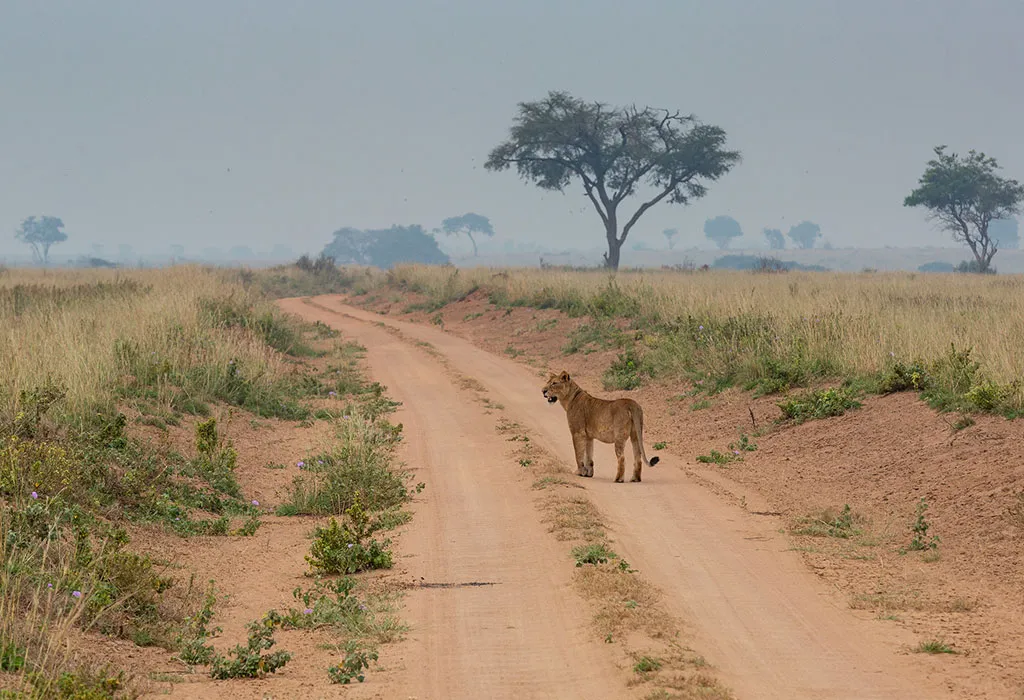
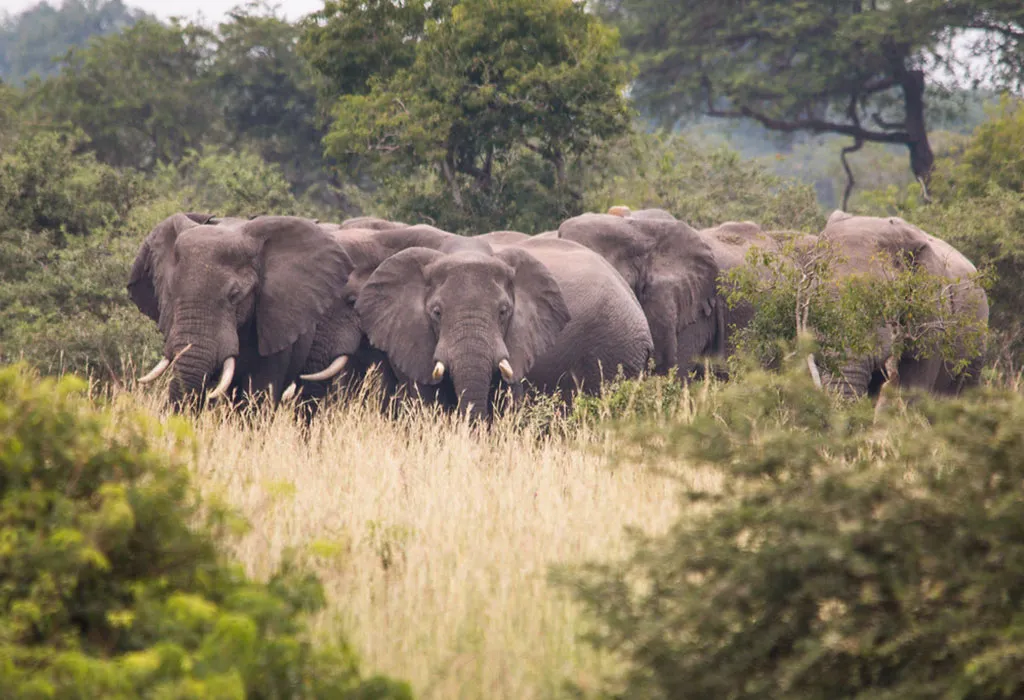
Spend the whole day exploring Kidepo by game drive. The park recently reintroduced white rhinos, giving you a rare shot at the Big Five in Uganda. Elephants move in large herds here, lions rest in prides, and cheetahs cover the open plains at speed. Giraffes, kobs, topis, and buffaloes fill out the scene, and birders will find species here that rarely turn up elsewhere in the country. One day only scratches the surface of what Kidepo holds.
Day 3: Karamojong Cultural Experience & Community Walk
Today shifts away from wildlife and into culture. You’ll spend time with the Karamojong, a pastoral community whose traditions go back centuries. In the morning, sit with community members and learn about their customs, dress, and daily routines directly from them. In the afternoon, join a guided walk through the surrounding villages and countryside. It’s the kind of connection you don’t get from a standard safari, and it sets the tone for the cultural side of this Uganda Gorillas, Chimps & Culture journey.
Day 4: Drive to Murchison Falls National Park & Evening Hike at the Falls
Head southwest to Murchison Falls National Park, Uganda’s largest protected area. The drive takes several hours and moves through changing countryside before opening into Murchison’s broad savannah. Once you arrive in the late afternoon, walk straight up to the top of the falls. Watching the entire Nile River force itself through a gap just seven metres wide is a sight that stays with you. The mist, the noise, and the evening light make this one of the trip’s best moments.
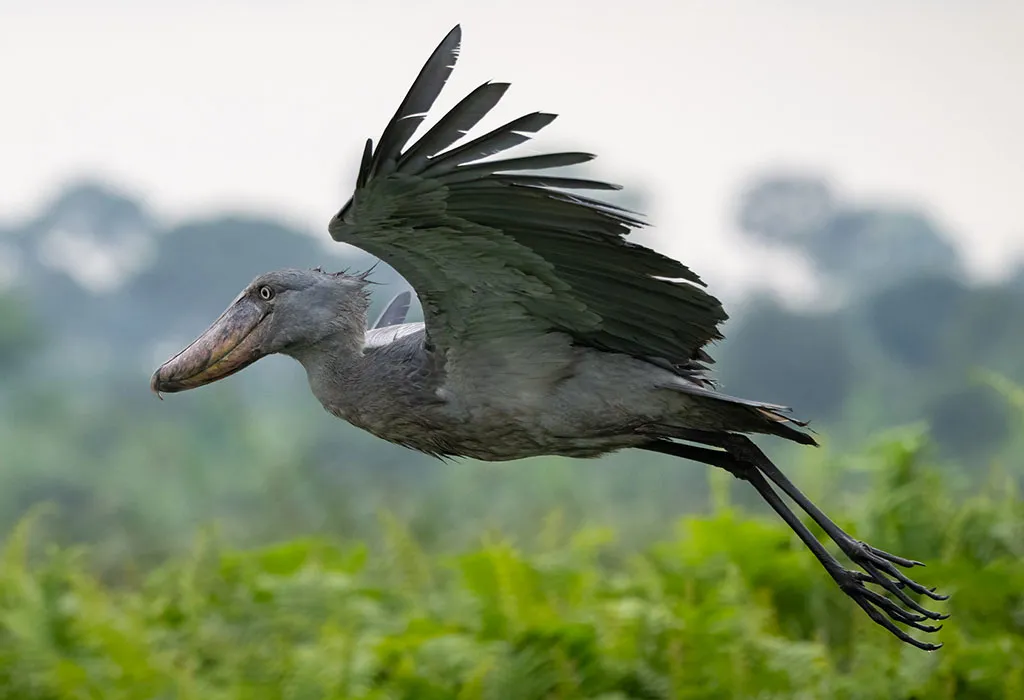
You will start with a game drive on Murchison’s northern bank, where lions, leopards (occasional), elephants, giraffes, antelopes and buffaloes are all active in the early hours. After lunch back at the lodge, board a boat for an afternoon cruise on the Nile toward the base of the falls. Nile crocodiles bask along the banks, hippos yawn in the shallows, and waterbirds, including the rare shoebill stork, work the shoreline. The cruise winds down just as the sun starts to set.
Day 6: Drive to Kibale Forest National Park & Optional Bigodi Nature Walk
After breakfast, leave Murchison and drive south to Kibale Forest National Park, often called the primate capital of the world. The route passes through Fort Portal, with its tea plantations and crater lakes. In the afternoon, take an optional guided walk through the Bigodi Wetland Sanctuary, a community-run reserve on the edge of the forest. Red-tailed monkeys and black-and-white colobus move through the trees, and the birdlife here is excellent. The walk also gives you a good look at local farms before tomorrow’s main event.
Day 7: Chimpanzee Trekking & Drive to Queen Elizabeth National Park
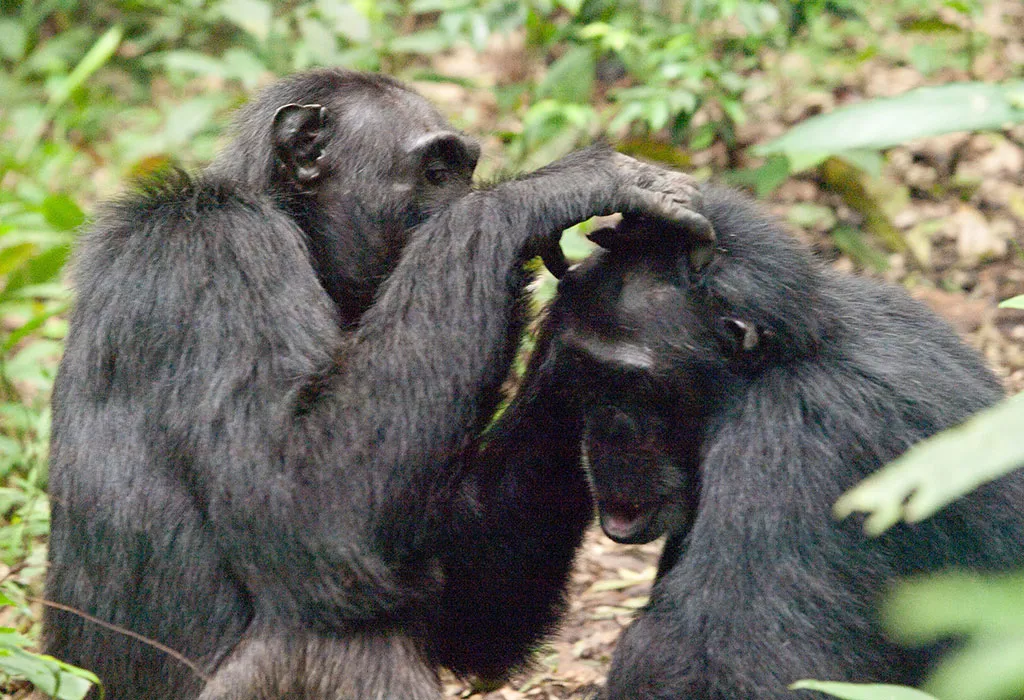
At around 7:00am, head into Kibale Forest briefing Centre called Kanyanchu for one of the standout experiences on this Uganda Gorillas, Chimps & Culture itinerary: chimpanzee trekking. Uganda holds one of Africa’s largest wild chimpanzee populations, and Kibale is the best place to find them. Rangers guide you through the forest, following calls and movement until you reach a habituated group. Watching chimps feed, play, and interact up close is something you won’t forget. After lunch, drive south to Queen Elizabeth National Park, arriving by early evening.
Day 8: Morning Game Drive & Kazinga Channel Boat Cruise
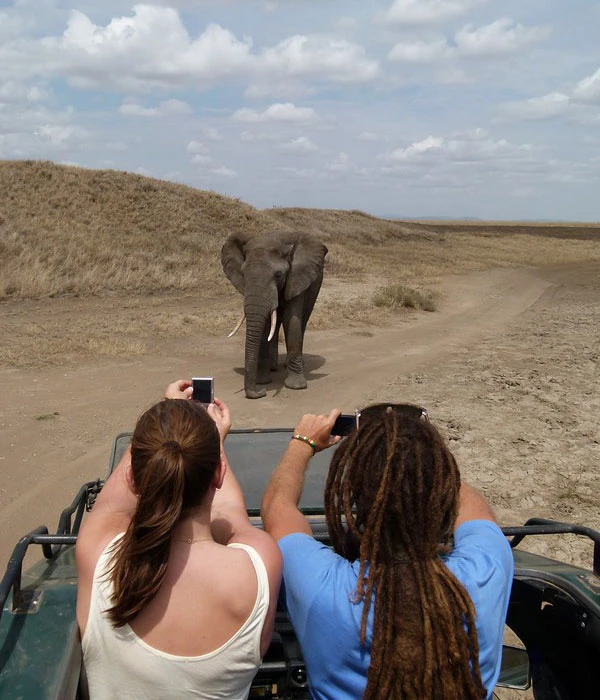
Explore the Kasenyi Plains on a morning game drive, the best spot in Queen Elizabeth National Park for lions, elephants, Buffaloes and Uganda kobs. Leopards, hyenas, and giant forest hogs also live here. After lunch, board a boat on the Kazinga Channel, the waterway linking Lake George and Lake Edward. Few places in Uganda pack in this much wildlife at once. Hippo pods crowd the shallows, crocodiles line the banks, and pelicans, kingfishers, and herons fill the sky and water.
Day 9: Ishasha Game Drive (Tree-Climbing Lions) & Drive to Bwindi
Set off early for Ishasha, the southern sector of Queen Elizabeth National Park known for tree-climbing lions. Most lions rest on the ground, but the Ishasha pride regularly climbs into fig trees, a habit seen almost nowhere else in the world. After searching the area, continue south through the misty hills of Kigezi toward Bwindi Impenetrable National Park. Terraced hillsides and thick forest fill the view as you approach one of the most anticipated stops on this trip.
Day 10: Gorilla Trekking & Batwa Cultural Experience
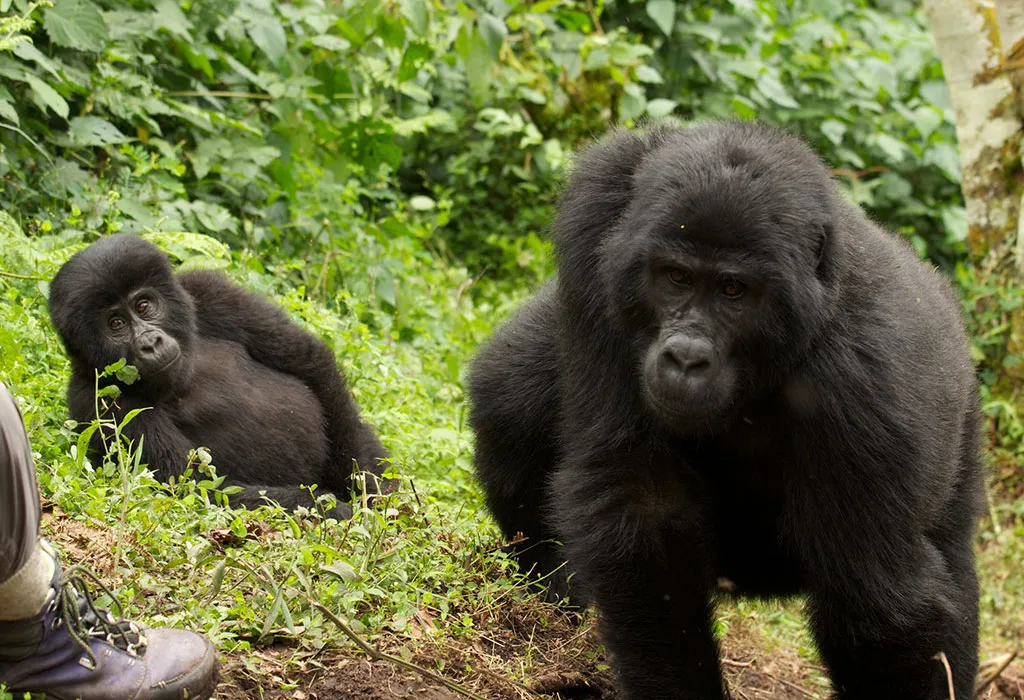
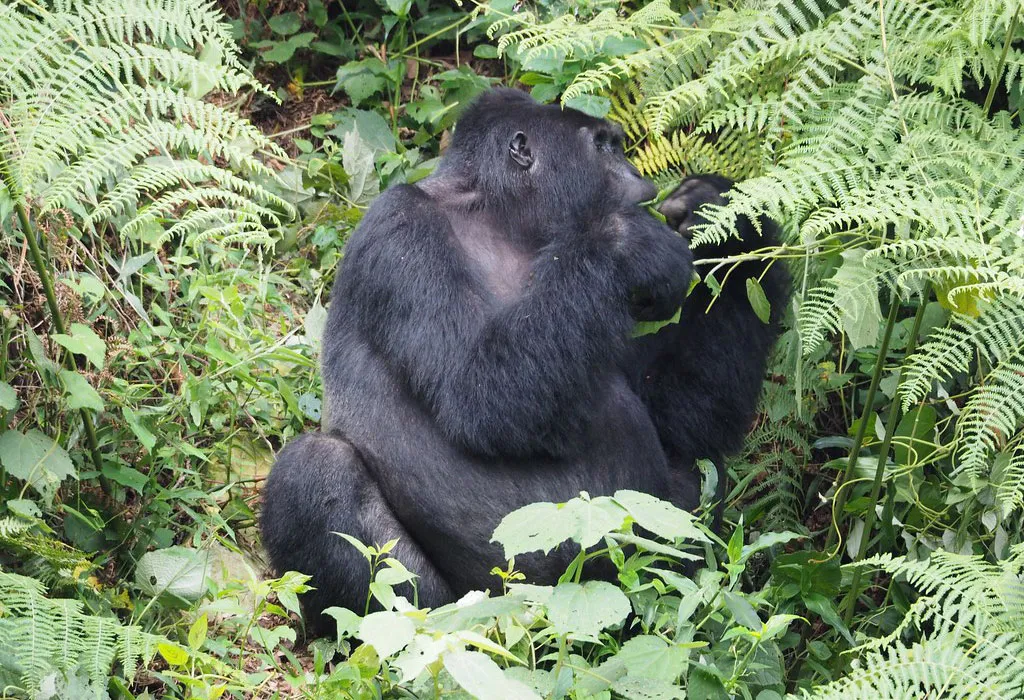
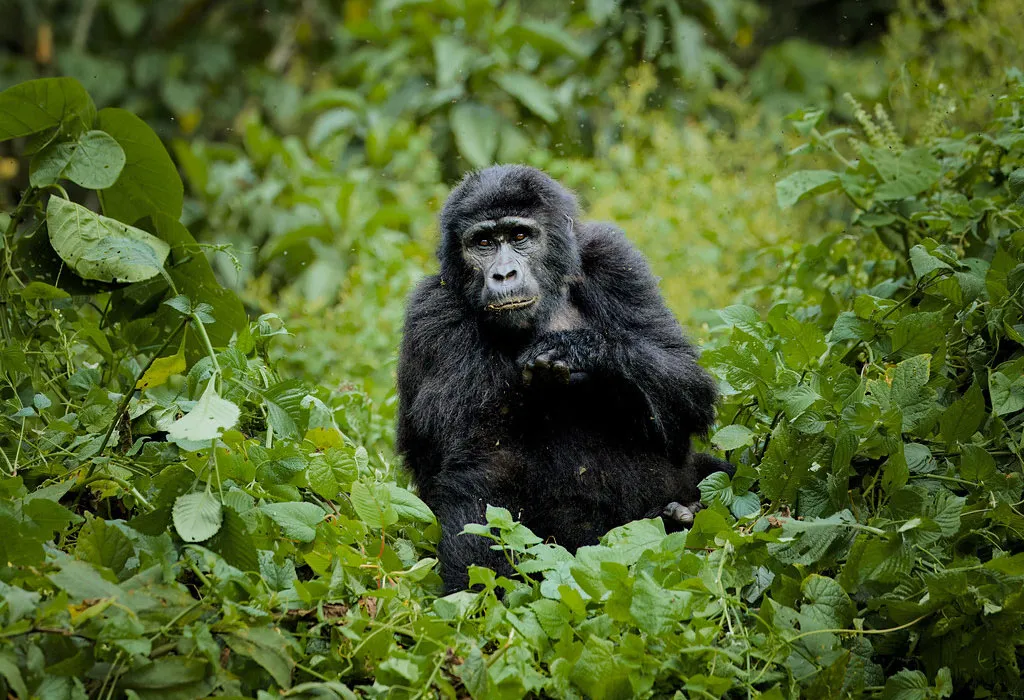
This day is the centerpiece of the entire Uganda Gorillas, Chimps & Culture experience. After an early ranger briefing at around 7:30am, head into Bwindi’s forest to find a habituated mountain gorilla family. The trek can run anywhere from one hour to several hours, depending on where the gorillas moved overnight, but it’s worth every step. You’ll spend a full hour watching a silverback lead his family, young gorillas play, and mothers care for their babies. In the afternoon, meet the Batwa (Optional), the original forest dwellers of Bwindi, and hear about their history and traditional forest skills.
After breakfast, begin the long drive back to Entebbe, roughly 9 to 10 hours on the road. It’s a good stretch of time to look back on everything this trip covered: savannah, waterfalls, forests, and river cruises, and the people you met along the way. Depending on your flight, you may have time to freshen up at a hotel in Entebbe before heading to the airport, or you can arrange an overnight stay for extra rest before your flight home.
Meal Plan: Half Board
Accommodation: None unless requested
Answered FAQs
How much does this safari cost, and can it be customized?
This is a private safari, so pricing depends on your chosen accommodation tier, group size, and any add-ons you request. Budget, mid-range, and luxury lodges each carry different rates, and a private vehicle and guide are included throughout. Yes, this Uganda Gorillas, Chimps & Culture itinerary can be adjusted: add extra trekking days, swap parks, or extend your stay at any stop. Contact us with your travel dates and group size for an exact quote. Most groups find the itinerary flexible enough to fit their budget without losing any of the key experiences.
How physically demanding is the trekking on this itinerary?
Both treks involve walking on uneven forest ground, sometimes uphill or through mud, so a reasonable fitness level helps. Chimp trekking in Kibale usually takes two to five hours, while gorilla trekking in Bwindi ranges from 30 minutes to seven hours depending on where the family moved overnight. Neither requires climbing skills, just steady walking at a moderate pace. Porters are available in Bwindi for a small fee and are worth hiring, fit or not, since they also support local income. Mention any joint or mobility concerns early so that we can plan pacing and support in advance.
Are gorilla and chimpanzee permits included in the price?
Yes, gorilla and chimpanzee permits are included in your quoted price for this Uganda Gorillas, Chimps & Culture safari, unless you ask to arrange them separately. The exact figure covers the Uganda Wildlife Authority gorilla permit, the chimp trekking permit, accommodation, transport, game drives, Karamojong culture and boat criuses. Gorilla permits are limited each day and sell out early in peak season, so booking them as part of your package means we secure the reservation for you.
When is the best time of year to do this safari?
Uganda works year-round, but the dry seasons, roughly June to September and December to February, offer the easiest trekking conditions since trails stay firmer. This Uganda Gorillas, Chimps & Culture safari still runs well in wetter months if you don’t mind occasional rain and muddier trails. Wetter months also mean fewer crowds at trekking sites and better lodge rates. Gorilla & Chimp Permits are discounted by 25% during the month of April, May and November. Birdlife picks up during the rains too, which helps on the Bigodi Nature Walk. Pick dry months if hiking ease matters most to you.
What should I pack for the treks and game drives?
Pack in layers, since forest mornings are cool but warm up fast. Bring sturdy, broken-in hiking boots with ankle support, gardening gloves for gripping vegetation, and trousers tucked into socks to keep ants and nettles off your skin. A lightweight rain jacket matters in any season, since Uganda’s forests can turn wet with little warning. For the game drives, pack neutral-coloured clothing, a hat, sunscreen, and binoculars. A camera with a zoom lens pays off for the tree-climbing lions and the primates. Add insect repellent, a water bottle, and small bills for tips.
Which travelers can book this Uganda Gorillas, Chimps & Culture adventure?
This itinerary suits nearly any traveler, which is part of why it is so popular. Solo travelers usually get a private guide and vehicle for the full trip. Couples often pick this route for its mix of adventure and quiet lodge evenings. Families are welcome too, though age rules apply: children under 15 can’t join gorilla trekking, and those under 12 can’t join chimp trekking. Younger kids stay at the lodge with alternative activities while parents trek. Researchers and wildlife enthusiasts benefit from Kibale and Queen Elizabeth’s density of species.
What's the difference between the budget, mid-range, and luxury lodges listed?
The three tiers differ in comfort, room size, service style, and sometimes location within the park, not in access to wildlife or trekking. Budget lodges keep things simple and comfortable, with solid meals and clean rooms close to the action. Mid-range lodges add more space, better finishes, and small extras like private verandas. Luxury lodges like Mweya Safari Lodge or Apoka Safari Lodge offer larger suites, top-tier dining, and prime views over the park. Whichever tier you choose, you’re still on the same game drives, boat cruises, and treks as everyone else on this itinerary.
Is it safe to trek with wild chimpanzees and gorillas at close range?
Yes, both chimp and gorilla trekking are considered safe when you follow ranger instructions, and both activities are tightly regulated. Groups stay small, guides carry radios, and armed rangers accompany gorilla treks mainly as a precaution against other forest animals, not the gorillas themselves. You’ll be briefed on keeping a 7 to 10 metre distance, staying quiet, and skipping flash photography. If you’re feeling unwell before a trek, tell your guide, since gorillas catch human illnesses easily. Incidents are rare because these rules get enforced consistently across every trekking site in Uganda.
Do I need a visa, and what documents should I bring?
Most travelers need a Uganda visa, which you can apply for online before departure or, in some cases, get on arrival at Entebbe International Airport. Check your nationality’s requirements ahead of time, since rules change and online processing can take a few days. You’ll also want a passport valid for at least six months beyond your travel dates.
👋 Planning an African safari? Explore Uganda, Rwanda, Kenya, Tanzania or Burundi, or combine several countries into one unforgettable East African adventure. Tell us what you’re looking for, and let’s plan your journey.