4-Day Bwindi & Mgahinga– Double Gorilla Trekking Safari
- Pickup : Entebbe / Kigali Airport
- Drop-off : Entebbe / Kigali Airport
Tour Overview
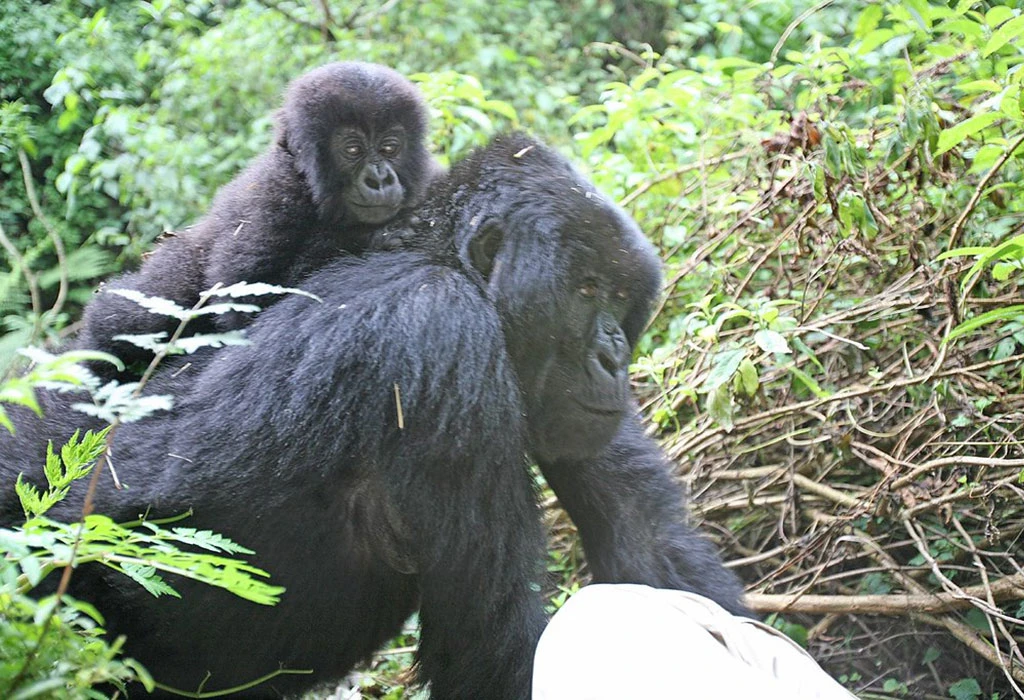
If you are planning to see mountain gorillas not once but twice, this 4-day double gorilla trekking safari is crafted for you. It combines two of Uganda’s most rewarding gorilla trekking destinations — Bwindi Impenetrable Forest National Park and Mgahinga Gorilla National Park — into one seamless trip. Starting from Kigali, Rwanda, you’ll cross the border into Uganda, track gorilla families on two separate days, meet the Batwa people, and round things off with a Kigali city tour before your flight home. It’s a short trip, but it delivers one of Africa’s most unforgettable wildlife experiences.
- Transportation (Car, Fuel, Driver Guide)
- Meals & Accommodation as mentioned
- Gorilla Trekking Permit
- Bottled Drinking Water
- Government Taxes
Cost Includes
- International Flights
- Accommodation Before and After your Trip
- Optional Batwa Cultural Experience
- Sourvenirs
- Tips & Porter Hiring
Cost Excludes
Travel Plan
Day 1: Kigali to Bwindi Impenetrable Forest National Park
Your Iconic Africa Safaris driver-guide picks you up from Kigali International Airport or your hotel and sets off for Bwindi Impenetrable Forest National Park in southwestern Uganda. Expect the drive to take around 4 to 5 hours, with beautiful views of Rwanda’s hills giving way to Uganda’s forested landscape along the way. Once you arrive, check into your lodge, settle in, and get a good night’s rest ahead of your first gorilla trek in the morning.
- Accommodation: Ichumbi Gorilla Lodge (Mid-Range)
- Meal Plan: Half Board
Day 2: Gorilla Trekking in Bwindi & Transfer to Kisoro
Rise early, somewhere between 5:30 and 6:00 a.m., and fuel up with a hearty breakfast — you’ll need the energy for the trek ahead. By 7:30 a.m., you’ll be at the park headquarters for a briefing that runs roughly 30 to 40 minutes. Here, rangers walk you through the rules of gorilla trekking: keep a distance of at least 10 meters from the gorillas, skip the flash photography, avoid eating near them, stay calm if a gorilla approaches, and never attempt to touch them. These guidelines exist to protect both you and the gorillas.
After the briefing, you’ll be placed into a trekking group of 8 people. If you have any fitness or mobility concerns, mention them to your guide beforehand so the team can plan accordingly. Hiring a porter (around $15 to $20) is optional but worthwhile — they’ll carry your bag, steady you on steep sections, and it directly supports the local community.
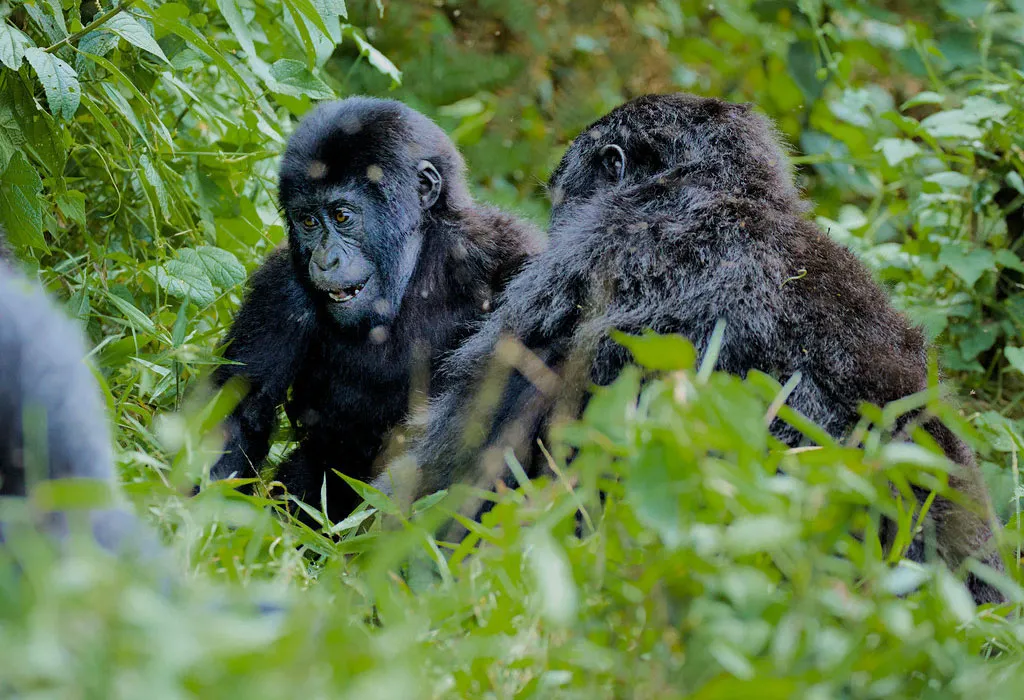
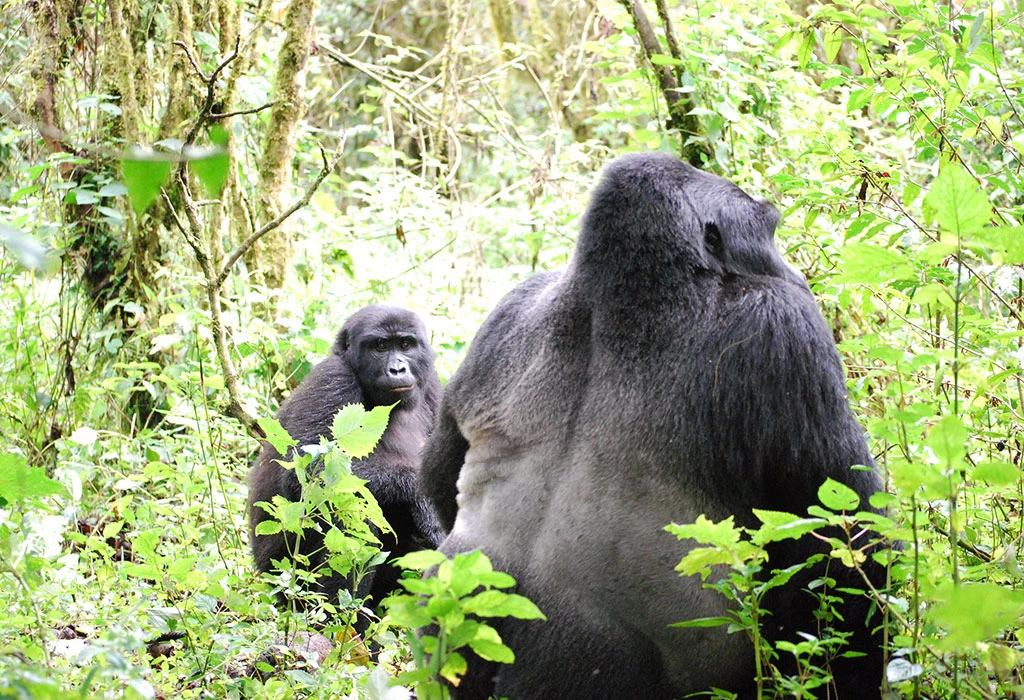
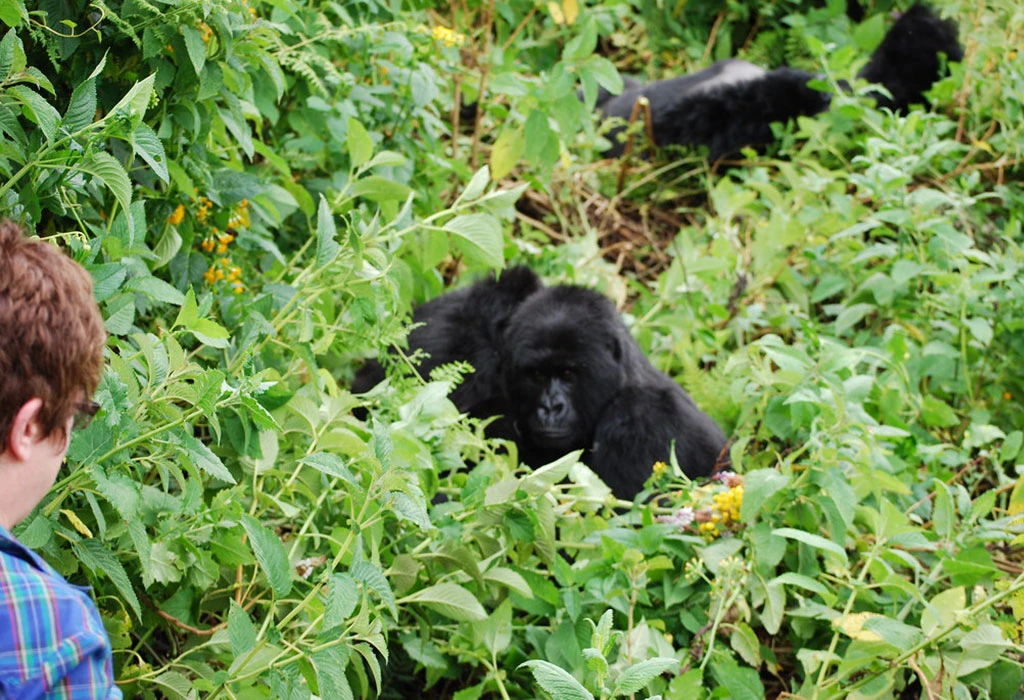
At 8:00 a.m., armed rangers and your guide lead the group into the forest. Trackers who went ahead earlier radio back the gorillas’ whereabouts, and rangers clear a path through the dense vegetation with machetes as you go. Depending on where the gorilla family has wandered, the hike can take anywhere from 30 minutes to 7 hours. Once you locate the gorillas, the group settles in quietly. You’ll spend a full hour observing them up close — feeding, grooming one another, caring for their young, and resting. Young gorillas sometimes wander surprisingly close, and it’s not unusual for the silverback to beat his chest. It’s a moment most visitors describe as genuinely moving. Afterward, you hike back out, receive your gorilla trekking certificate at headquarters, return to the lodge for lunch and some downtime, then transfer to Kisoro town.
- Accommodation: Ichumbi Gorilla Lodge (Mid-Range)
- Meal Plan: Full Board
Day 3: Gorilla Trekking in Mgahinga & Optional Batwa Cultural Experience
Another early start, breakfast between 5:30 and 6:00 a.m. Mgahinga Gorilla National Park is home to just one habituated gorilla family, the Nyakagezi family, so this day’s trek has a slightly different rhythm. By 7:30 a.m., you’ll be at the Ntebeko Visitor Center for the standard briefing, and the same trekking etiquette applies as in Bwindi. Groups of 8 head into the forest at 8:00 a.m., with hikes here typically lasting 30 minutes to 5 hours. As before, you get a full hour with the gorillas and a certificate once you’re back. Later in the afternoon, you’ll take part in the optional Batwa Cultural Experience — a chance to spend time with the Batwa, the forest’s original inhabitants, and learn about their traditions, songs, and way of life directly from them. Accommodation: Ichumbi Hotel (Mid-Range) Meal Plan: Full Board
Day 4: Transfer to Kigali for City Tour & Departure
You’ll set off early for the drive back to Kigali. Depending on your flight time, there’s room to fit in a stop or two before departure — the Kigali Genocide Memorial for a deeper understanding of Rwanda’s history, the Inema or Niyo Art Centres for a look at the local contemporary art scene, or Kimironko Market for handmade crafts and fresh produce. From there, it’s on to the airport for your flight home.
- Accommodation: None unless requested
- Meal Plan: Half Boardard
Answered FAQs
What is double gorilla trekking?
Double gorilla trekking means tracking mountain gorillas on two separate treks during one trip, usually in two different parks or with two different gorilla families. On this itinerary, you trek once in Bwindi Impenetrable Forest National Park and once in Mgahinga Gorilla National Park, giving you two distinct encounters with wild mountain gorillas instead of just one.
How much does a gorilla trekking permit cost in Uganda?
As of now, a gorilla trekking permit in Uganda costs $800 per person for foreign non-residents, $700 for foreign residents, and UGX 300,000 for East African citizens. Since this itinerary includes two treks, you’ll need two permits — one for Bwindi and one for Mgahinga. Permit prices can change, so it’s worth confirming the current rate with your us before booking.
How fit do I need to be for gorilla trekking?
You don’t need to be an elite athlete, but a reasonable level of fitness helps, since the hike involves walking on uneven, sometimes steep and muddy terrain through dense forest. Treks can last anywhere from 30 minutes to several hours depending on where the gorillas are that day. If you have any mobility or health concerns, let your guide know in advance — rangers can adjust the pace or arrange extra help, including a porter.
What is the difference between Bwindi and Mgahinga gorilla trekking?
Bwindi Impenetrable Forest National Park has multiple habituated gorilla families spread across different trekking sectors, so it’s Uganda’s most popular gorilla trekking destination. Mgahinga Gorilla National Park, on the other hand, has only one habituated family, the Nyakagezi family, and sits within the Virunga volcanoes, giving it a very different, more volcanic landscape compared to Bwindi’s dense rainforest.
What should I pack for a gorilla trekking safari?
Pack sturdy waterproof hiking boots, a rain jacket, long trousers and long-sleeved shirts (to protect against nettles and insects), gardening gloves, facemask, a hat, sunscreen, insect repellent, a daypack, drinking water, snacks, and a good camera without flash. Trekking poles provided by the rangers are helpful too, and many people find gloves useful for gripping vegetation on steep sections.
Do I need a visa to travel between Rwanda and Uganda for this trip?
Most travelers will need a visa for both Rwanda and Uganda, though requirements vary by nationality. Many nationalities can apply for the East Africa Tourist Visa, which covers Rwanda, Uganda, and Kenya on a single visa and is convenient for a trip that crosses the Kigali–Bwindi border like this one. It’s best to check the latest requirements for your specific nationality before you travel.
What happens if we don't find the gorillas during the trek?
It’s rare, but if a trekking group doesn’t locate a gorilla family, Uganda Wildlife Authority typically offers a free re-trek on another day, subject to their policy at the time. Sightings are 99% guaranteed on any single trek, which is one reason double gorilla trekking itineraries like this one are appealing — two separate treks in two parks meaningfully increase your overall chances of a great gorilla encounter.
Request A free Qoute